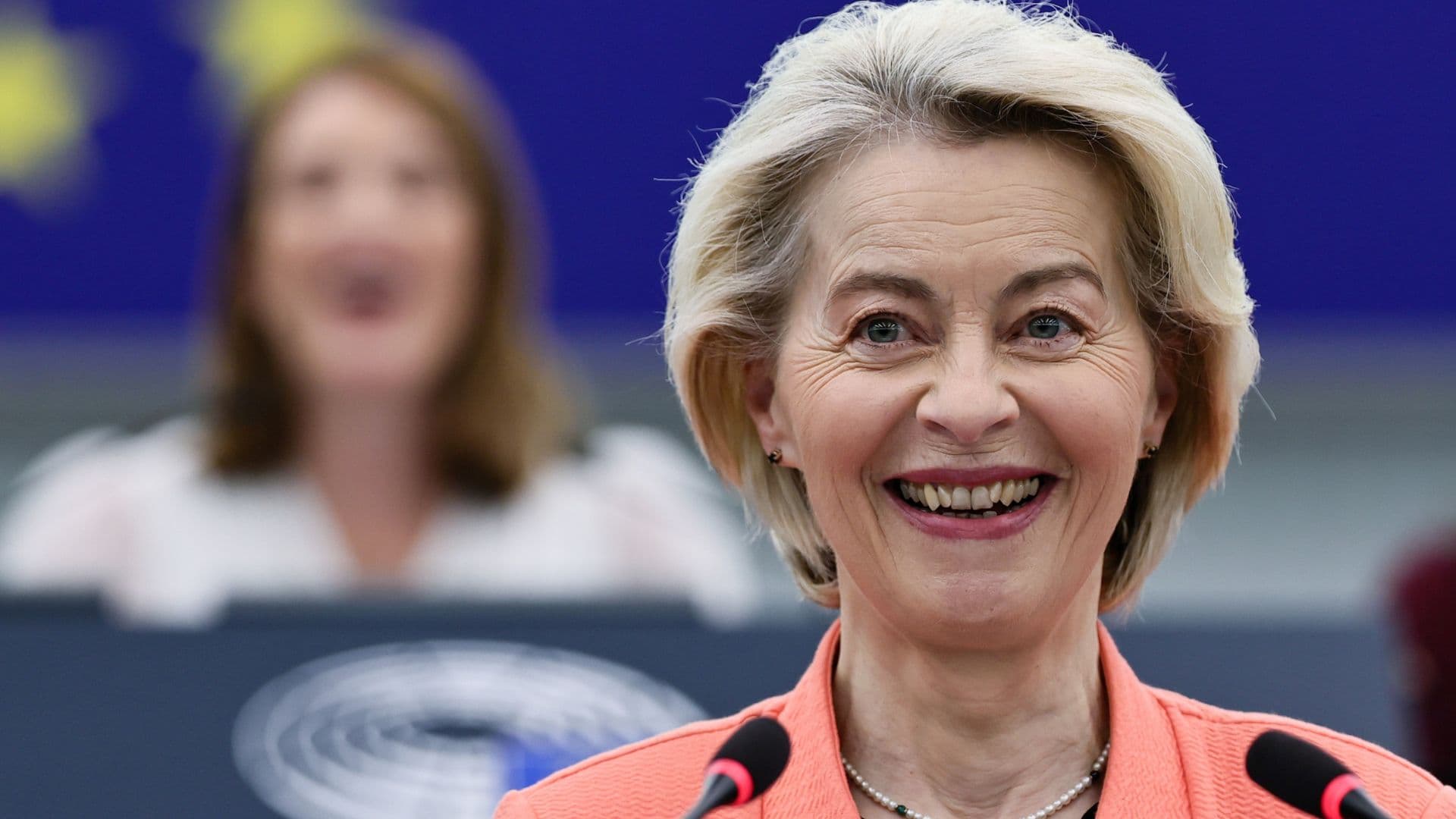
Mexico – European Union and Mexico are holding their first bilateral summit in more than a decade this Friday in Mexico City, seeking to strengthen trade, investment and political ties amid growing tensions with the United States.
Mexican President Claudia Sheinbaum is hosting European Commission President Ursula von der Leyen and European Council President António Costa as both sides move to deepen economic cooperation and diversify global supply chains.
Mexico’s government aims to increase exports to the EU by 50% by 2030, raising them from $23.8 billion to $36.1 billion through expanded access for agricultural products, manufacturing and regional specialty goods.
Mexican officials argue the agreement will provide businesses and farmers — including small and medium-sized enterprises — with preferential and nearly tariff-free access to the European market.
Products expected to benefit include bananas, honey, sugar, asparagus, preserved tomatoes and lime exports, while regional products such as Chiapas coffee, Yucatán habanero peppers and Papantla vanilla will gain geographical protection within the EU.
The agreement also introduces updated rules on digital trade, customs facilitation, electronic documentation and dispute resolution mechanisms designed to reduce logistics costs and simplify exports.
Mexico additionally hopes the deal will encourage greater European investment in strategic industries linked to “Plan México,” including automotive manufacturing, renewable energy and the green and digital transition.
European officials view the agreement as both an economic and geopolitical tool amid rising tariffs, supply-chain vulnerabilities and shifting global trade dynamics.
The updated pact would eliminate tariffs on European products including cheese, pork, poultry, chocolate, wine and pasta, while expanding opportunities for European firms in public procurement, financial services and transportation sectors in Mexico.
The EU is currently Mexico’s third-largest trading partner, while Mexico is the bloc’s second-largest trade partner in Latin America.