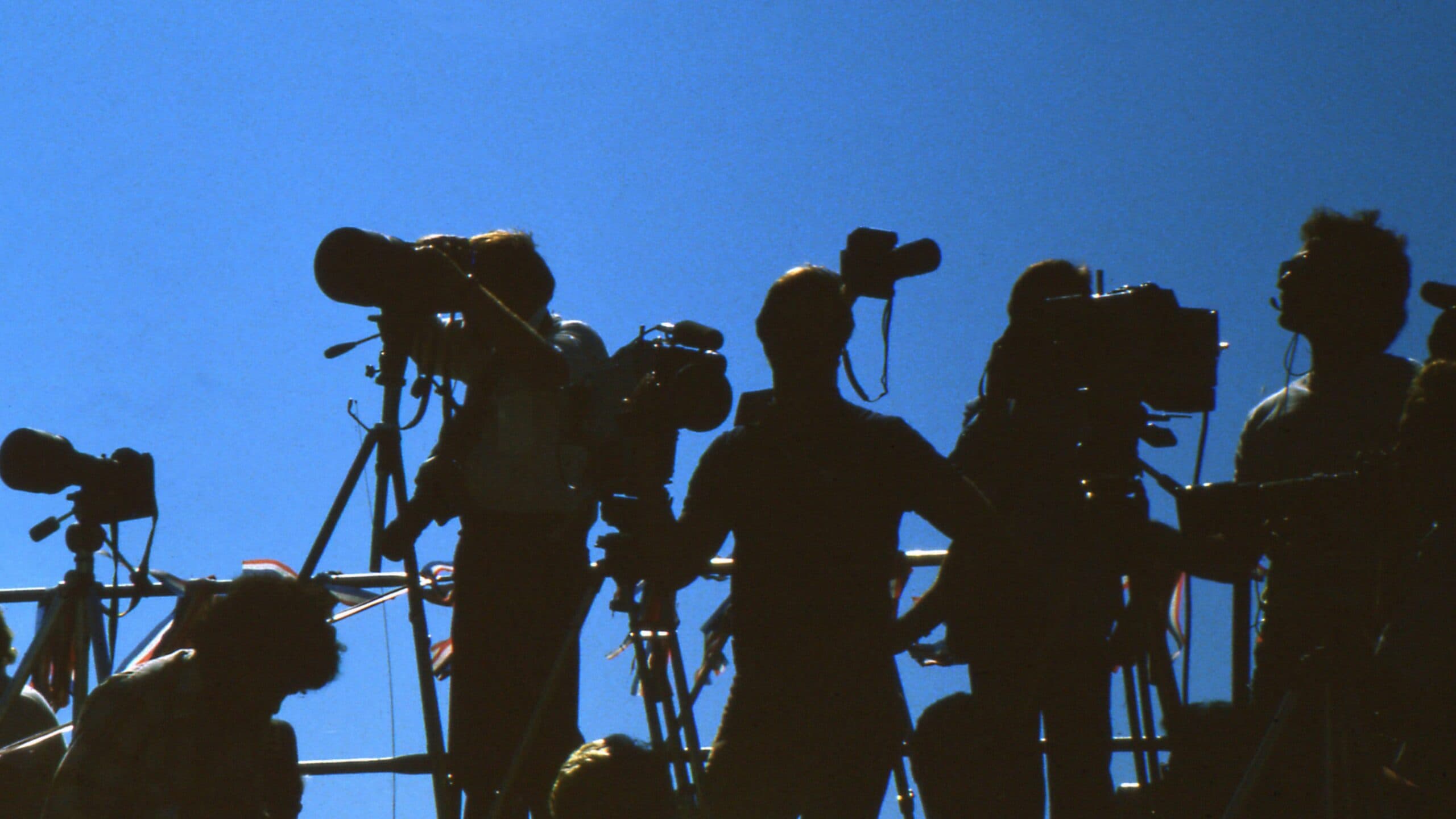
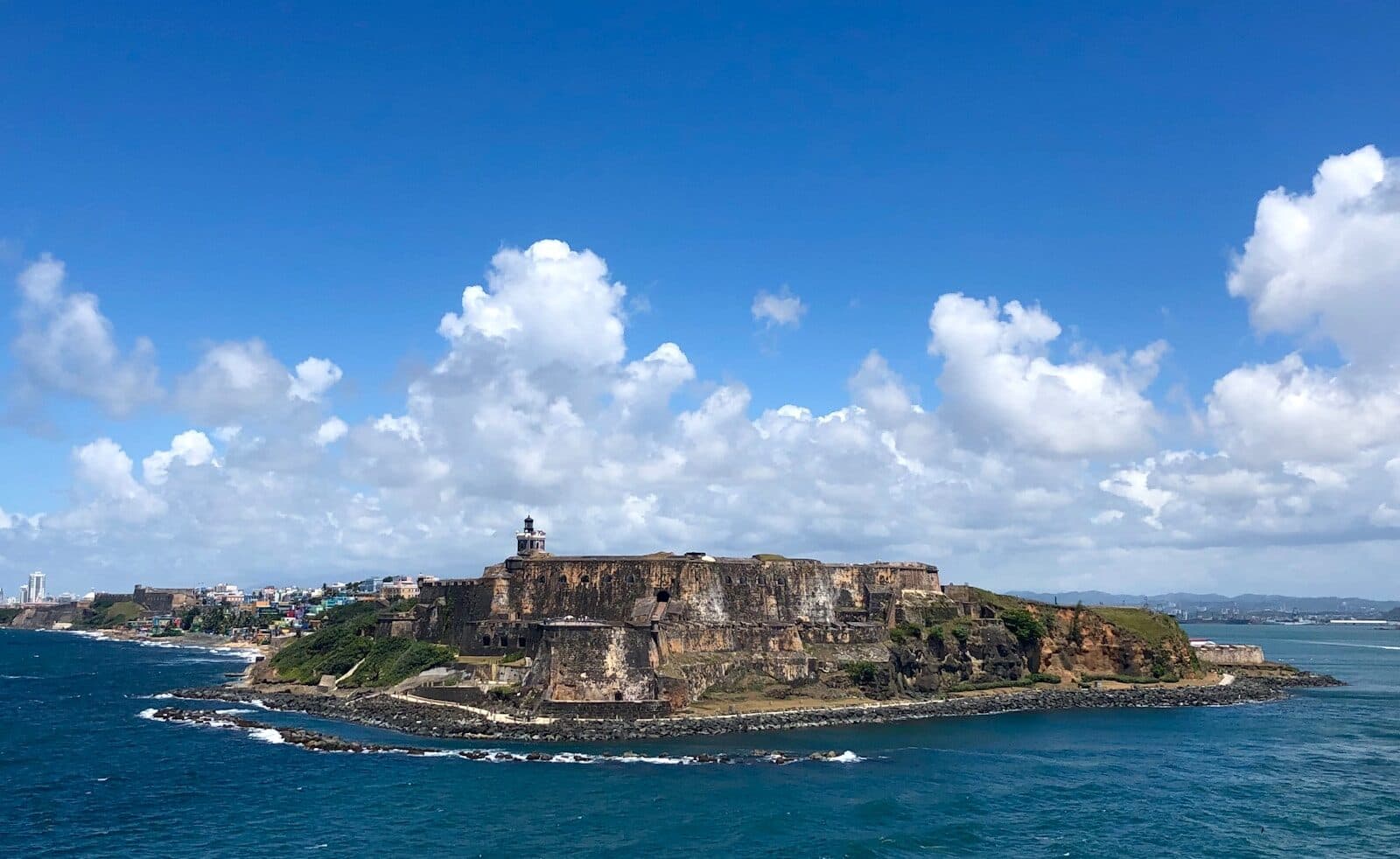
As Puerto Rico celebrates Press Week, these investigations serve as a reminder that journalism is not simply about reporting the news.
SAN JUAN – From exposing government corruption to holding public officials accountable, investigative journalism has helped shape Puerto Rico’s modern history. During Press Week, we look back at some of the stories that proved why a free press remains essential to democracy.
Journalism has chronicled Puerto Rico’s defining moments for more than a century. But on several occasions, reporters have done far more than document history—they have changed it.
Through years of investigative reporting, public-record requests, document analysis and persistent questioning of those in power, Puerto Rican journalists have uncovered scandals, exposed government failures and prompted political, judicial and institutional change.
Their work has informed the public, strengthened accountability and, in some cases, altered the course of the island’s history.
The Telegram Chat That Led to a Governor’s Resignation
Perhaps the most influential example in recent history came in July 2019, when the Center for Investigative Journalism (CPI) published the 889-page Telegram chat involving then-Gov. Ricardo Rosselló and members of his inner circle.
The messages revealed offensive remarks about women, political opponents, journalists and victims of Hurricane María, as well as conversations that raised concerns about the administration’s conduct.
The publication sparked unprecedented public outrage.
Within days, hundreds of thousands of Puerto Ricans filled the streets in what became the largest demonstrations in the island’s modern history. On Aug. 2, 2019, Rosselló resigned—the first governor in Puerto Rico’s history to leave office because of sustained public protests.
The investigation became one of the clearest examples of journalism’s ability to hold political power accountable.
Revealing the True Human Cost of Hurricane María
Following Hurricane María in 2017, the official death toll remained at just 64 for months.
Investigative journalists, led by the CPI and supported by other news organizations and academic researchers, questioned the government’s figures by examining death certificates, interviewing families and obtaining public records.
Their reporting exposed significant discrepancies and fueled independent studies that ultimately led the Puerto Rican government to revise the official death toll to 2,975 deaths.
Beyond changing a statistic, the investigation transformed the national conversation about disaster preparedness, transparency and government accountability.
Cerro Maravilla: A Turning Point for Investigative Reporting
The Cerro Maravilla case remains one of the defining moments in Puerto Rican journalism.
In 1978, police reported that two young independence activists had died during a shootout with officers.
However, investigative reporting and persistent media scrutiny raised questions about the official version of events.
Subsequent legislative hearings uncovered evidence of false testimony, cover-ups and misconduct by law enforcement officers.
Several police officers were later convicted, and the case became a landmark example of how investigative journalism can expose abuses of power and reshape public understanding of historic events.
Exposing Public Corruption
Over the decades, Puerto Rican media outlets have repeatedly uncovered irregularities involving government contracts, public spending, ethics violations and conflicts of interest.
Many of those investigations later became the basis for criminal investigations, ethics inquiries or administrative reforms.
While not every report resulted in prosecutions, the work reinforced one of journalism’s most important democratic functions: serving as an independent watchdog over public institutions.
Giving Communities a Voice
Journalism’s impact extends far beyond major political scandals.
Every day, reporters cover emergencies, explain public policy, investigate problems affecting neighborhoods, document natural disasters and amplify the voices of citizens who might otherwise go unheard.
These stories often influence public policy, inspire community action and bring attention to issues that require government response.
Why Journalism Still Matters
In an era dominated by social media, misinformation and artificial intelligence, professional journalism remains one of society’s most important safeguards.
Verification, multiple-source reporting, transparency and editorial accountability distinguish journalism from rumor and opinion.
Puerto Rico’s history demonstrates that some of the island’s most significant political and social changes began not in government offices or courtrooms, but in newsrooms—where reporters asked difficult questions, pursued the facts and refused to let important stories go untold.
As Puerto Rico celebrates Press Week, these investigations serve as a reminder that journalism is not simply about reporting the news. At its best, it informs citizens, strengthens democracy and, occasionally, changes history itself.