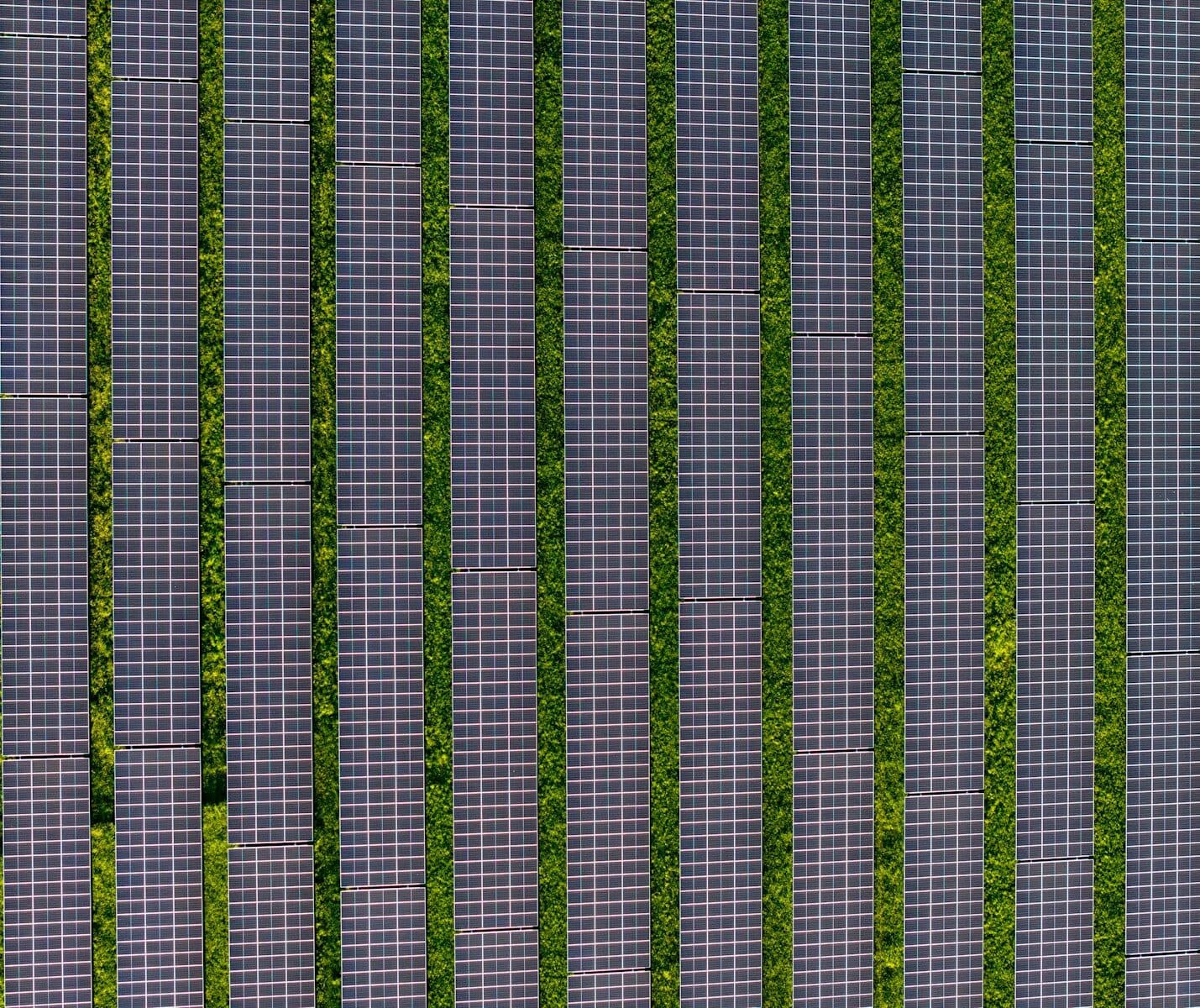
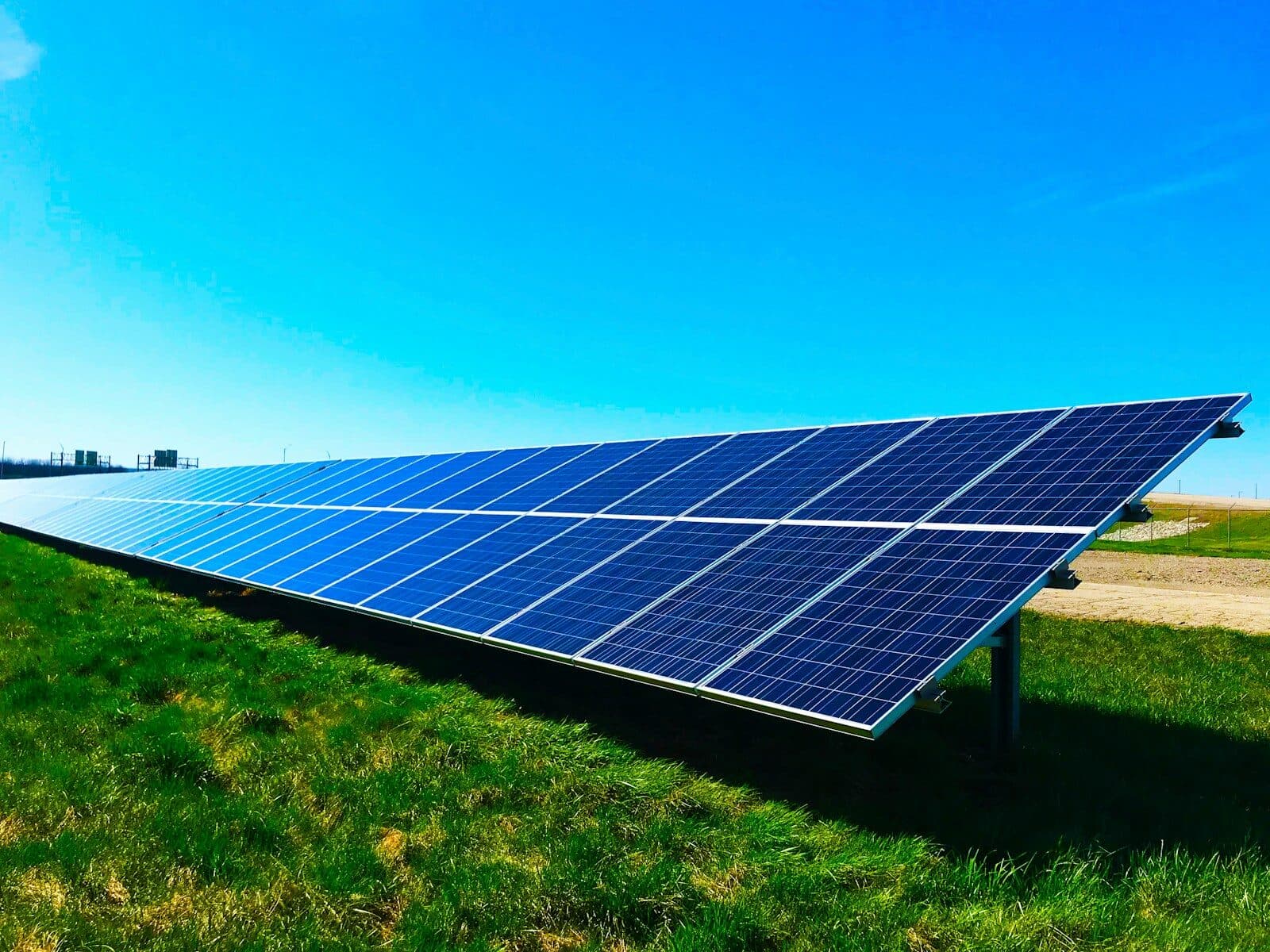
The 2.2 MW solar power system will be located at a farm and food processing facility
Agroenergética LLC has reached a pivotal milestone in its effort to develop a large‑scale agrivoltaics project in Puerto Rico’s northwest.
The Puerto Rico Energy Bureau formally certified the firm as an Electric Service Company under Regulation 8701, concluding that Agroenergética “complied with regulatory criteria” to operate as a distributed generator with more than one megawatt of capacity. The decision, issued on August 11, follows a series of filings and amendments submitted by the company throughout the spring and summer.
Agrivoltaics is the dual use of land for farming production and photovoltaic solar power generation.
The project centers on a 2.2‑megawatt photovoltaic system paired with a 2.5‑megawatt‑hour battery energy storage system at Hacienda Gosén, a farm and food‑processing facility in Barrio Gordo, Moca. Agroenergética plans to integrate solar generation with agricultural production, creating an agrivoltaics installation that supports both energy resilience and crop cultivation. In its filings, the company described a system capable of delivering regulated daytime output and peak‑hour discharge between 4 p.m. and 9 p.m., supported by a microgrid controller and ancillary electrical equipment designed to stabilize the feeder and allow islanded operation during outages. The company projects that the system will be able to serve approximately 400 to 450 nearby households through a power‑as‑a‑service model.
Agroenergética initially sought certification as a third‑party microgrid but withdrew that request in July, explaining that “under Regulation 9028 it can’t sell the totality of the energy generated under the model of Third‑Party Microgrid so the project will not be viable as such.” Instead, the company asked to be certified solely as a generator, clarifying that energy storage would be treated as an ancillary service rather than an independent one.
The Energy Bureau’s review also highlighted the agricultural dimension of the project. Agroenergética plans to prepare roughly ten acres of conditioned soil for horticulture and high‑value crops, with additional shaded areas suitable for ginger, turmeric, and cocoa. The company emphasized that the project aims to maintain the land’s primary agricultural purpose while adding opportunities for research, crop development, and job creation.
Financing remains a central component of the initiative. Agroenergética reported that construction depends on federal funds and that the project has been assigned 60 percent of its cost through the CDBG‑DR program administered by the Puerto Rico Housing Department. Its proposal, Agrivoltaics for Energy and Food Security in Rural Northwestern Puerto Rico, was selected to advance to the next phase of the ER2 program’s award process.
Although certified, the company must still address several outstanding requirements. The Bureau gave Agroenergética fifteen days to submit its financial statements, which were referenced but not included in its July filings, and to provide clearer geographic information and maps for the agrivoltaics system layout. It also instructed the company to continue submitting additional documents as the project advances, warning that failure to comply could lead to fines under Act 57‑2014.
With the certification now in place, Agroenergética is positioned to move forward with one of Puerto Rico’s most ambitious agrivoltaics ventures, combining renewable energy generation, agricultural productivity, and community‑level resilience in the rural northwest.