AI’s rapid rise is testing nations and businesses
A United Nations-backed scientific panel has warned that AI is advancing faster than governments and existing safeguards can keep pace with, raising pressure on policymakers and companies as they prepare for global talks on AI governance next week.
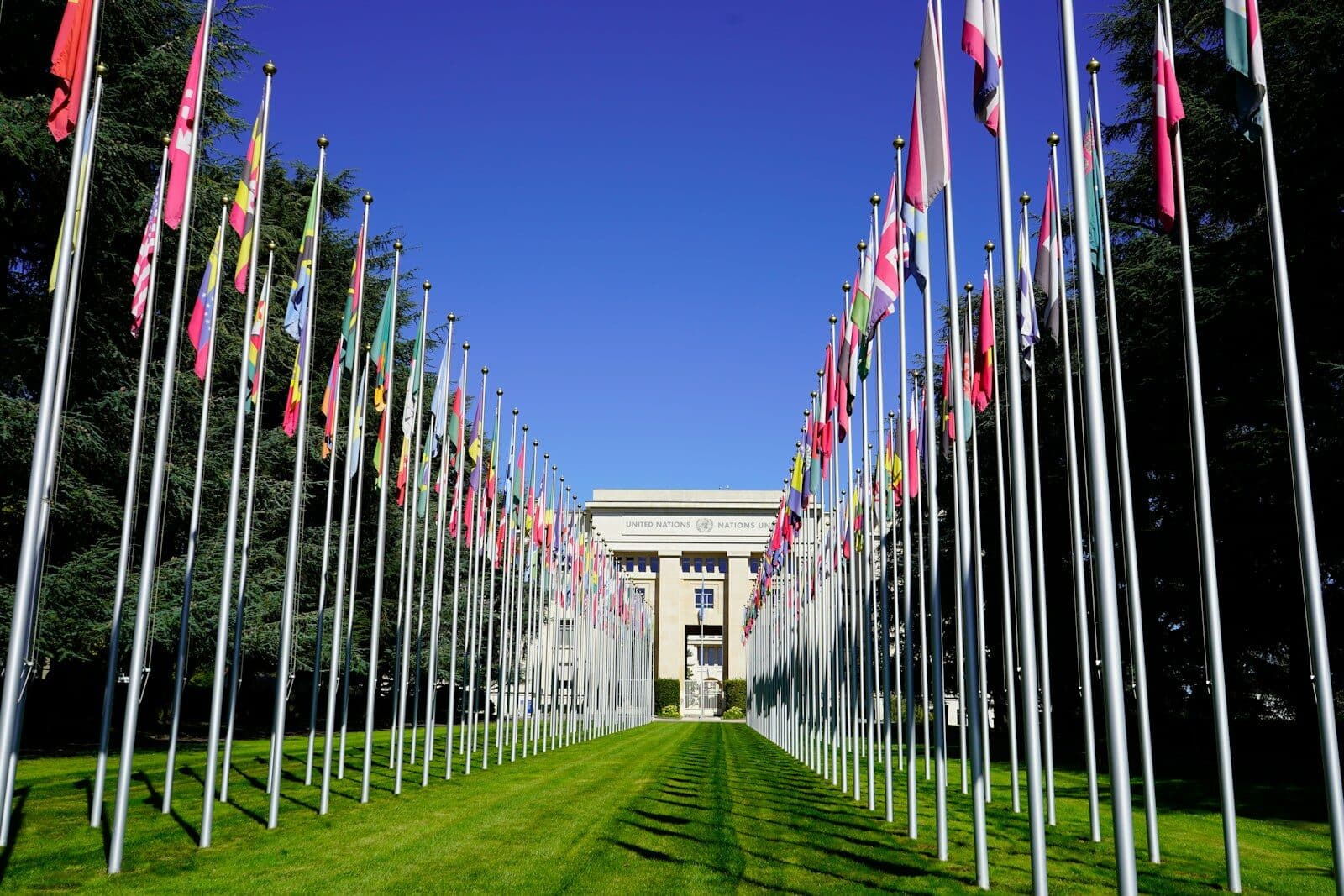
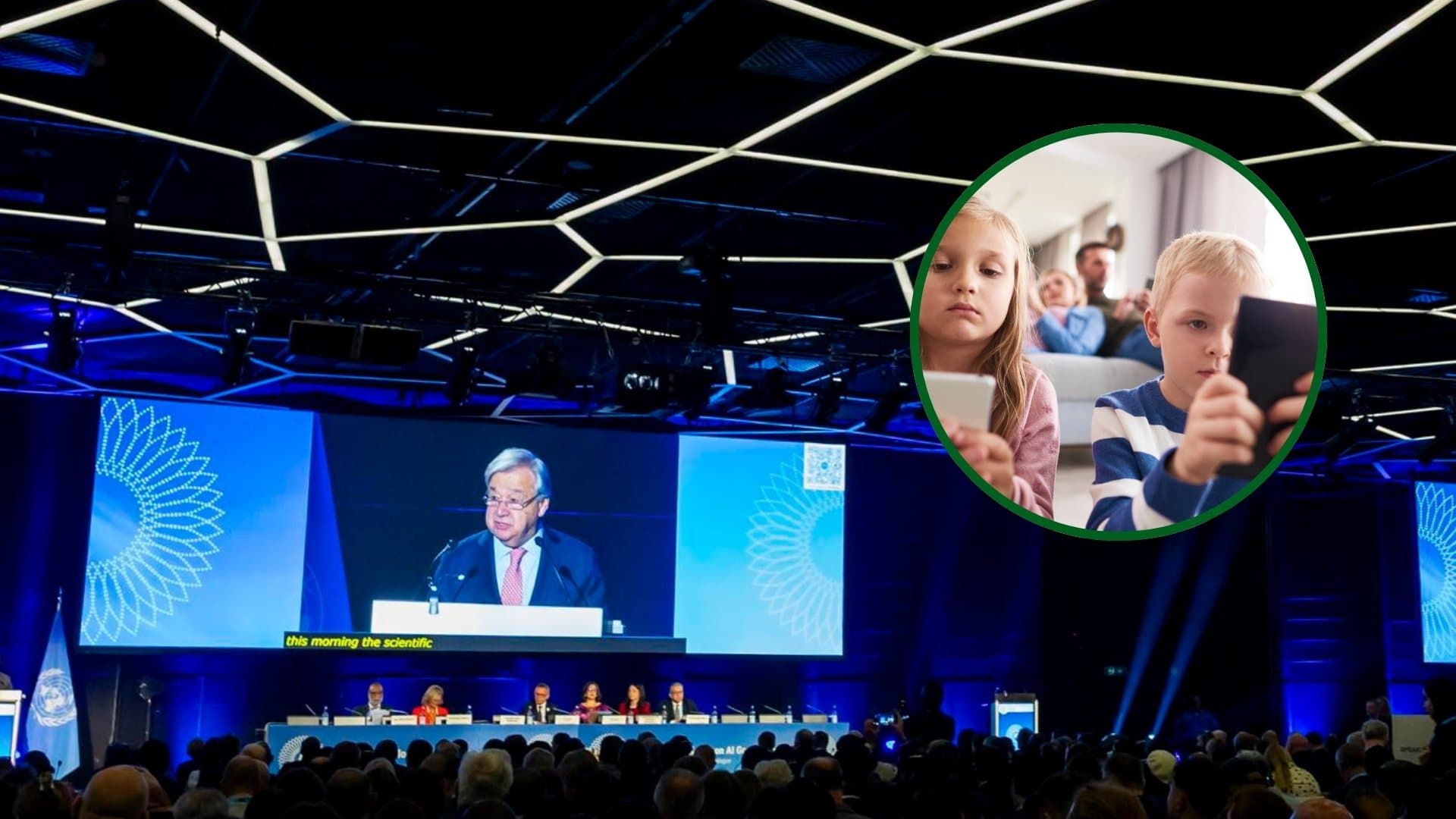
The UN Independent International Scientific Panel on Artificial Intelligence released its preliminary report last week, the first global independent scientific assessment of AI’s opportunities, risks and impacts. The report is intended to provide governments with a shared evidence base ahead of the inaugural UN Global Dialogue on AI Governance in Geneva on July 6 and 7, according to a press release.
The findings arrive at a pivotal moment for the technology sector, where rapid gains in AI capabilities are reshaping investment decisions, labor markets, cybersecurity planning, and corporate risk management. The panel said policymakers face a central dilemma: they need scientific evidence to regulate AI effectively, but by the time that evidence is clear, it may be too late to act. In other words, the world is losing its grip on AI.
“AI capabilities are outpacing both scientific understanding and governments’ ability to adapt,” said Yoshua Bengio, co-chair of the panel. He warned that current science cannot guarantee that more capable AI systems will not cause catastrophic harm, either independently or through misuse by malicious actors.
The 40-member panel, made up of scientists and experts from every region, was established by the UN General Assembly to assess AI science rather than prescribe policy. Its preliminary report examines seven areas, including AI advances, economic implications, security and environmental risks, human rights, democracy, child safety, governance and reliability.
For businesses, the report notes both the promise and uncertainty surrounding AI adoption. The panel highlighted potential gains in science, health, education, and agriculture, while also warning that benefits may concentrate where computing power, data, skills, and institutions already exist. That uneven distribution could deepen inequality and leave some economies more dependent on systems designed elsewhere.
UN Secretary-General António Guterres urged governments to move quickly, saying the world “cannot govern what it cannot understand.” He said the panel’s work provides independent science available to every government and warned that “the cost of waiting is rising.”
Maria Ressa, the panel’s other co-chair, said AI remains transformative but warned that the forces driving the technology forward are not necessarily aligned with delivering broad public benefit. Amandeep Singh Gill, the UN under-secretary-general and special envoy for digital and emerging technologies, said AI “will not close divides by itself,” adding that advantages tend to flow to places where institutions, skills and data are already strong.
The panel plans to issue regular assessments and thematic briefs as AI evolves, with its first comprehensive annual report expected in 2027. That report will inform the second Global Dialogue on AI Governance, scheduled for New York in May 2027.
The Geneva meeting will test whether governments can begin building common standards for a technology increasingly viewed as both a driver of economic growth and a source of systemic risk. For companies deploying AI, the report signals that expectations around transparency, safety testing and accountability are likely to keep rising as policymakers seek to close the gap between innovation and oversight.