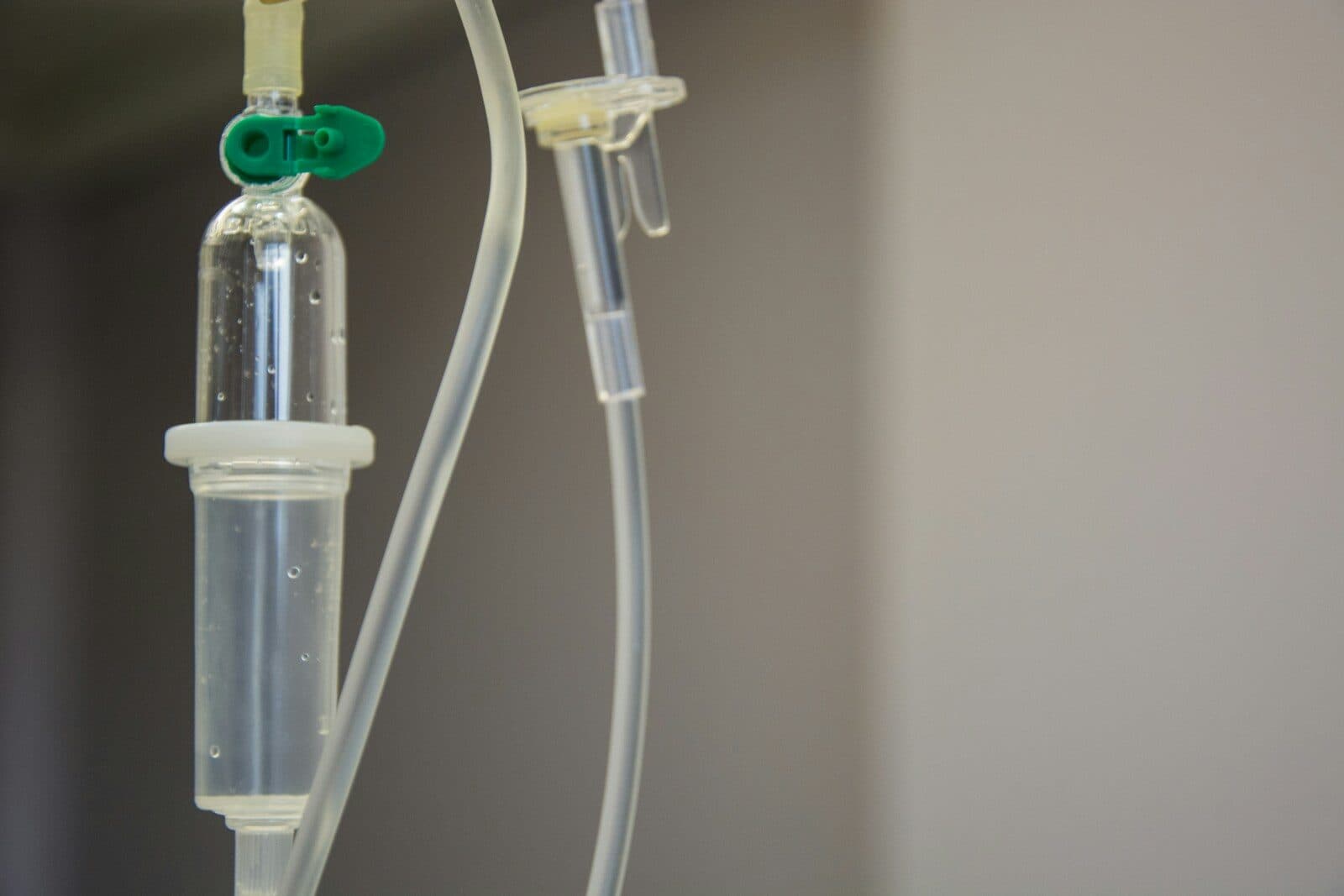
Alivia Health moves complex antibiotic and biologic therapies out of hospitals, cutting costs for insurers and families while keeping patients under professional care
From the Oct. 2026 CB Print Edition.
In a healthcare system where pharmaceutical expenditures consume more than 40% of total health budgets, more than double the 17% average in the mainland United States, healthcare providers in Puerto Rico are facing intense pressure to find sustainable care alternatives.
For Hari Sabnani, founder of Alivia Health, the answer lies not in constructing bigger facilities, but in keeping patients out of hospitals altogether.
Alivia Infusion, a specialized healthcare business launched in Ponce in June 2016, is helping to transform the Island’s medical landscape by administering complex intravenous (IV) antibiotics and biological medications directly in patients’ homes.
“Alivia’s idea is to attend, at home, the patient who doesn’t necessarily have hospitalization criteria,” Sabnani explained in an interview with CB detailing the company’s vision. “When a patient goes to a hospital for something that could have been done at home, it creates a very high, unnecessary cost for the health system: whether Medicare, private or Medicaid,” he added.
A stark economic equation
The financial logic behind home infusion care is compelling. In Puerto Rico, standard hospital admissions cost between $2,000 and $4,000 per day, depending on the facility. In contrast, home infusion care managed by a licensed registered nurse ranges from $300 to $800 per day, including medication administration and home nursing visits.
Because medical service fees in Puerto Rico are lower than on the U.S. mainland, while drug prices remain pegged to federal rates, pharmaceuticals represent a disproportionately heavy share of local health spending. By dramatically lowering the facility-overhead costs associated with inpatient stays, home infusion acts as a vital economic buffer, spreading the overall cost of care across public and private insurers.
Beyond systemic savings, the new model eliminates substantial hidden expenses for families. Inpatient stays often force caregivers to pay hefty out-of-pocket costs (gas, hospital parking, meals, and so on) that could easily reach $50 or more per day, a severe burden for families with limited financial resources.
Shattering the “bedridden” myth
Historically, home IV therapy in Puerto Rico was treated as a niche service reserved exclusively for bedridden or immobile patients. Alivia Infusion has actively worked to dismantle this misconception among primary care doctors, internists and family physicians.
“In the past, intravenous antibiotics at home were used more for patients who couldn’t go to the hospital,” Sabnani noted. “That changed many years ago in the U.S. market. A patient who is mobile and walking doesn’t have to get his intravenous antibiotics at the hospital. The doctor sees it [IV therapy at home] as a safe, efficient and effective option,” he said.
The service targets common, non-acute conditions that require specialized IV therapy rather than oral antibiotics, such as complicated urinary tract infections, osteomyelitis (bone infections) and severe skin ulcers. By contrast, acute conditions requiring oxygen support or mechanical ventilation, such as severe pneumonia, remain strictly within hospital care.
For Puerto Rico’s rapidly aging demographic, where residents aged 65 and older represent a growing share of the population, home care offers an additional critical benefit: avoiding hospital-acquired infections. Hospitalized seniors face heightened exposure to opportunistic pathogens and physical disorientation, risks that are largely eliminated in a home setting.
Operational speed and insurance collaboration
To persuade physicians to prescribe home infusion over emergency room referrals, operational responsiveness is paramount. Doctors require absolute assurance that home therapy will begin without dangerous delays.
Alivia Infusion guarantees a strict 24-hour turnaround, from the moment a physician places an order to the arrival of a registered nurse at the patient’s home. Collaborating closely with Medicare Advantage plans, which manage nearly 700,000 patients across Puerto Rico, the company has achieved a 99% pre-authorization approval rate.
“It is our responsibility to justify the cases well,” Sabnani emphasized. “If we cannot guarantee treatment within 24 hours, the doctor may be reluctant to use the service and could prefer sending the patient to the emergency room.”
Mitigating out-of-pocket strain
Even when care is approved, high copayments can pose a formidable barrier for patients. To address this, Alivia maintains dedicated teams that connect patients with manufacturer copay programs and nonprofit healthcare foundations.
Last year, these efforts secured $21 million in economic assistance for Puerto Rican patients to cover out-of-pocket costs, the highest figure in company history, with similar targets set for 2026.
While five or six companies offer home medication administration in Puerto Rico, Alivia’s deliberate outreach to primary care doctors and health plans has significantly helped to position home infusion as a proactive first-choice option rather than an afterthought.
As Puerto Rico navigates complex healthcare costs, the at-home therapy model demonstrates that effective medical care is sometimes best delivered right at the front door.