Explainer: Reinsurance Markets Have Learned to Deal with New Realities
While catastrophic events challenged the reinsurance industry, the increased possibility of natural disasters also pushed the industry to reassess their risk models
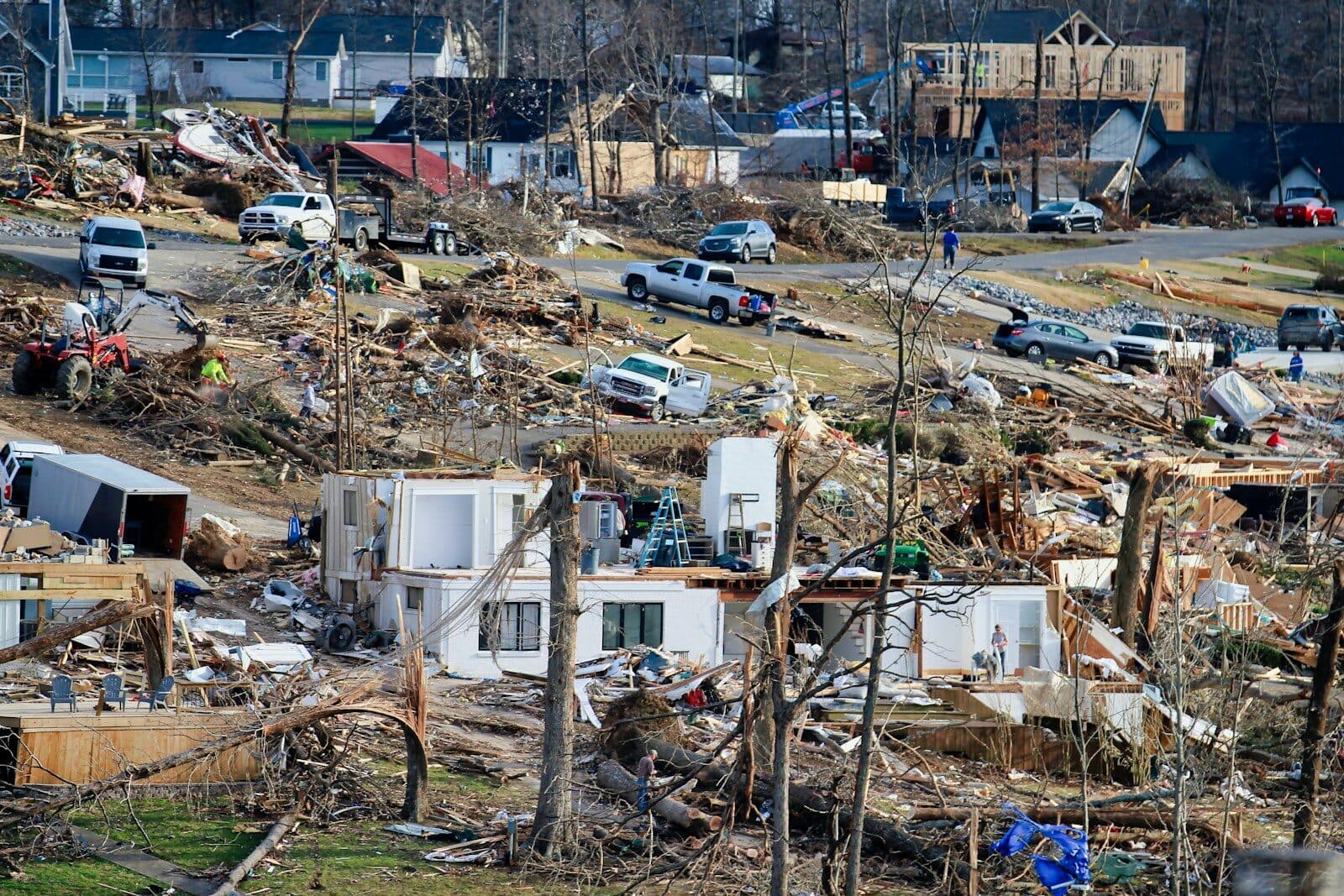
Natural disasters such as the major hurricanes of 2017 and the recent California wildfires have resulted in an increase in policy prices in the reinsurance industry, which in turn resulted in an increase in costs for the Puerto Rico insurance markets.
However, despite the continued occurrence of these force majeure events, prices today are more stable, explained Iraelia Pernas, executive director of the Insurers Association (Acodese by its Spanish initials).
“There was a time after Hurricane Maria when prices did skyrocket for everyone — I can certainly tell you that and it was because reinsurance costs went up,” said Pernas. She later added, “reinsurance prices rose sharply, but the information we have is that reinsurance costs have now stabilized, and the increase that occurred has already been factored into the premiums.”
What are Reinsurance Companies?
Reinsurance companies — also called reinsurers — are businesses that provide insurance to other insurance companies, helping them transfer risk, stabilize finances and underwrite more policies, according to the Corporate Finance Institute.
Reinsurance contracts can be divided into faculty or facultative contracts and treaty contracts. Faculty contracts are by policy or risk type, which means that a reinsurance might cover insurance disbursements for flooding damages but not for wildfire damages if the property in question is in a zone prone to wildfires.
“No insurer in Puerto Rico has the capacity to underwrite this portfolio of business without itself obtaining reinsurance; in other words, purchasing insurance.”
Iraelia Pernas, executive director, ACODESE
Treaty contracts, on the other hand, transfer a specific class of risks from insurers to reinsurers. One common example of this kind of treaty reinsurance covers losses above the insurer’s retention limit, according to FasterCapital. “For example, if the insurer retains $1 million and the loss is $1.5 million, the surplus treaty reinsurer would cover the excess $500,000.”
“No insurer in Puerto Rico has the capacity to underwrite this portfolio of business, comprising the homes and commercial properties it insures, without itself obtaining reinsurance; in other words, purchasing insurance,” Pernas explained.
What’s the Size of the Reinsurance Market?
Puerto Rico needs to pay attention to global trends and major natural disasters occurring in other jurisdictions, regardless of the distance, because the reinsurance market is a global one. There are over 7,500 companies worldwide that may be classified as reinsurers in the directory of the research and consulting firm IBIS World, which includes highly specialized and localized entities.
However, according to The Atlas Reinsurance Report for 2025 — published by Atlas Magazine, a trade publication for insurance industry — the top-50 largest reinsurance companies account for 93% of the market share and the top-100 reinsurers account for 99% of the market share.
Is the Reinsurance Market Growing?
According to the consulting firm Fortune Business Insight’s report on the reinsurance market for 2025, which was published on Aug. 31, 2026, this sector was valued at $621.39 billion and is projected to reach $673.28 billion in 2026.
“Non-life business remains the largest contributor to the reinsurance market size due to rising catastrophe losses, inflationary pressures, and increasing complexity within property, casualty, cyber, and specialty lines,” reads the report. Non-life insurance is an umbrella term that covers properties, bonds and stocks, and travel, among other areas.
The United States is one of the largest markets worldwide, with Europe accounting for around $230 billion of the market, while the U.S. alone accounted for $194 billion in 2025, according to the Fortune Business report.
The reinsurance market has been able to see this growth because as the risks have increased, creating more demand from the market, the industry has had to reassessed its practices and policies, particularly after Covid-19 pandemic, according to the Fortune Business report. The industry rethought their risk models, underwriting requirements and capital thresholds, among other factors.
The Puerto Rico brokerage is betting on specialized partnerships and personalized risk advisory rather than size to compete in an evolving insurance market
The 50-year-old firm’s integration into Grant Thornton Advisors, backed by New Mountain Capital, brings access to expanded expertise in AI, cybersecurity, and data analytics for island clients
The Puerto Rican insurance company maintains its A-rated financial strength while expanding capabilities to serve surety and property clients across the island’s economy