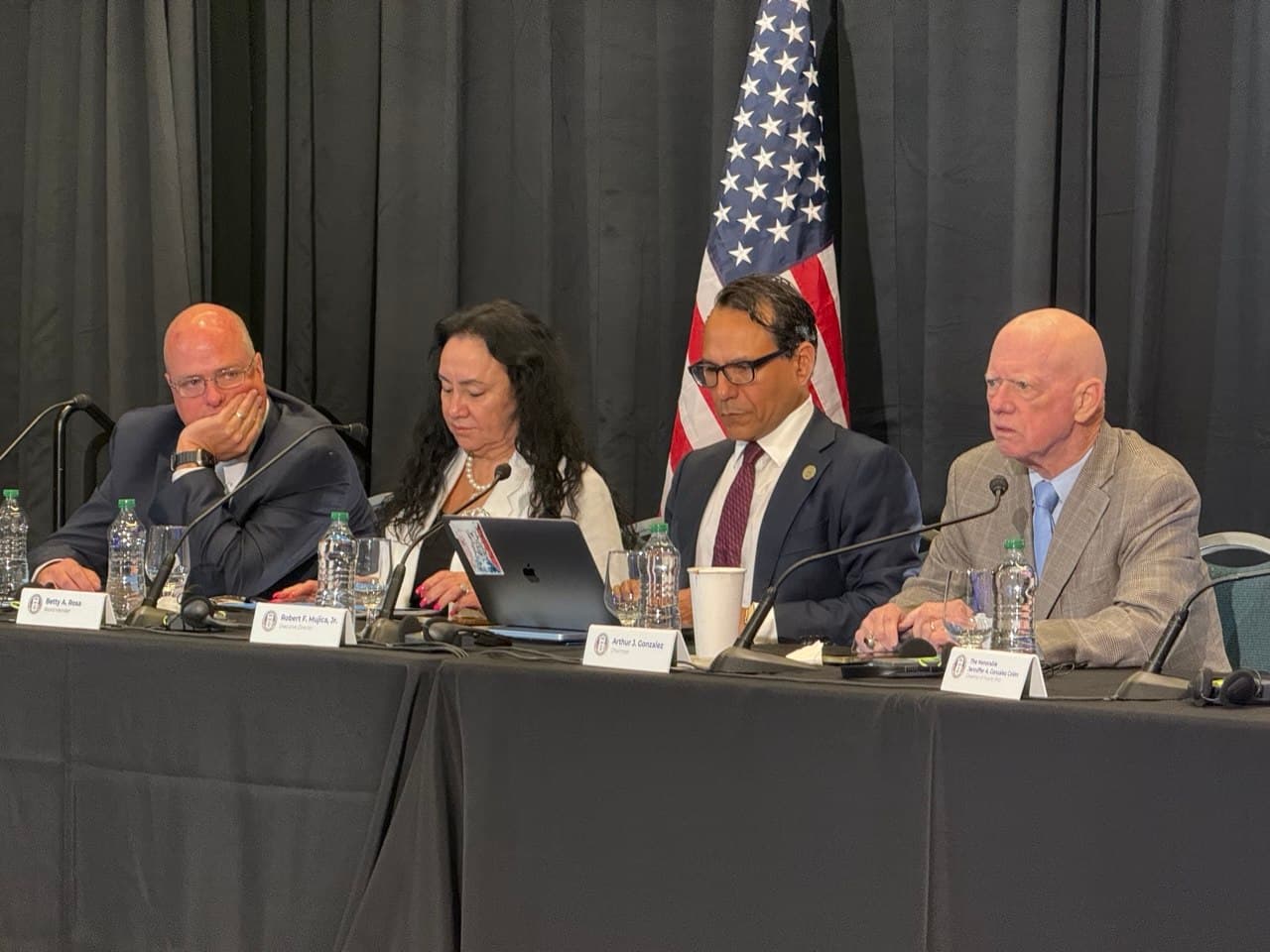
While the fiscal entity is satisfied with the fiscal reforms, it’s unlikely that Puerto Rico can come back to the markets while there still no PREPA deal available During the fifty-first (51st) meeting of the Financial Oversight and Management Board (FOMB), the board’s executive director, Robert Mujica, emphasized the importance of implementing reforms to the […]
While the fiscal entity is satisfied with the fiscal reforms, it’s unlikely that Puerto Rico can come back to the markets while there still no PREPA deal available
During the fifty-first (51st) meeting of the Financial Oversight and Management Board (FOMB), the board’s executive director, Robert Mujica, emphasized the importance of implementing reforms to the budget preparation process as part of efforts to restore market confidence in the fiscal discipline of the Puerto Rican government.
Mujica and members of the FOMB expressed satisfaction with the government’s efforts, which have resulted in a change in the budget preparation process.
“This is a different budget process, reflecting the transfer of accountability and responsibilities for fiscal and budget manners from the Oversight Board to the government. We focused less on deadlines and more on dialogue, on the right conclusion and decision, and sometimes that path takes a bit more time,” Mujica said and described the process as one of co-leadership.
“This does not mean that our oversight has lessened but the fiscal year 2027 budget is substantially the governor’s budget, not the Oversight board’s budget,” he added.
For his part, the executive director of the Office of Management and Budget (OGP), Orlando Rivera Berríos, celebrated that fiscal year 2027 is the first budget, since the arrival of the Financial Oversight and Management Board (FOMB), in which the government has taken the reins of its preparation.
Among the measures the OGP took to prepare the budget were meeting with the 40 largest agencies, which represent more than 85% of the budget, as well as implementing artificial intelligence to conduct the analyses.
As per the budget for the current year, despite it being touted as the first certified balance budget, Mujica explained the budget for the Fiscal Year 2026 will be evaluated for certification once the fiscal year concludes in June.
One of the things that will help expedite the evaluation of future years is producing audited financial statements in a more timely manner. The audited financial statements for Fiscal Year 2023 are now more than 800 days past due. Mujica argued for the implementation of the Enterprise Resource Planning (ERP) System, which is a centralized accounting and resource allocation system for the government, and the additional transparency that would come with it is one of the measures to bring back the trust of crediting agencies.
“The key is when someone comes out of bankruptcy, whether it’s a business or another entity, the question really is, ‘How have you changed so that it doesn’t happen again?’ We’ve balanced the budgets. We’ve restructured the debt, with the exception of PREPA. And these permanent structural reforms are like the final step to show we’re gonna do things differently, and there are tools in place to prevent this from happening,” Mujica said during the press conference that followed the meeting.
“The credit agencies we know are watching these things, and we’re making sure. We’re going to Washington, making sure the US Treasury is aware of what we’re doing,” he added.
Despite Governor Jenniffer González being present, her Chief of Staff, Francisco Domenech was in charge of presenting an update for the ERP. Domenech recognized that two previous attempts, by former administrations, have failed in deploying the ERP and that the investment has now reached $117.8 million.
Domenech argued that the government has changed the strategy and expects to start rolling out the first phase of the ERP during the summer, with the governor’s Deputy Chief of Staff, Itza García.
While these tax reforms would help Puerto Rico find favorable conditions for its return to the markets, Mujica acknowledged that the Puerto Rico Electric Power Authority’s (PREPA) exit from bankruptcy is essential for that return.
Mujica insisted that he still sees the possibility of successful mediation, but they are also continuing to address the litigation in Title III court, where creditors continue to insist that there should be no reduction in the $12 billion debt that PREPA owes them.
Although Mujica does not see PREPA’s restructuring as likely to conclude this year, he understands that moves such as the litigation to determine creditors’ collateral to limit the payment that PREPA would have to make could break the impasse.
“This is the path toward a resolution that reflects Puerto Rico’s fiscal and economic reality,” argued the executive director of the Financial Oversight and Management Board (FOMB).
While the JSF meeting was taking place, Judge Laura Taylor Swain was presiding over the omnibus hearing in Title III court to discuss the debt negotiation processes of the AEE, which entered this bankruptcy process on June 2, 2017. But the impasse remains.