The ability to turn familiar experiences into something consumers recognize as their own has helped define Boceteo’s entrepreneurial identity.
SAN JUAN – What began as a creative project inspired by Puerto Rico has evolved into a homegrown business that shows how culture, personal experiences and entrepreneurship can come together to build a brand with a distinctive identity.
For Puerto Rican entrepreneurs Héctor Soto and Yadira Liz Robles, everyday objects became the foundation for building Boceteo, Arte Alegre, a project centered on transforming the island’s symbols, landscapes and shared memories into art.
Coffee makers, wooden mortars, coquí frogs, Puerto Rican flags and familiar scenes are more than artistic subjects. They became products capable of creating an emotional connection with consumers, particularly those who see their own family memories and Puerto Rican identity reflected in the artwork.
The concept behind the business was straightforward: create “arte alegre,” or joyful art, inspired by Puerto Rico. Over the years, however, the project has demonstrated how a locally developed creative concept can evolve alongside the experiences of the people it serves.
Turning Difficult Moments Into Opportunities
That entrepreneurial resilience became particularly evident after Hurricane Maria in 2017.
The hurricane disrupted businesses, employment and everyday life across Puerto Rico. For the family behind Boceteo, the crisis was also personal: Robles lost her job following the hurricane.
Rather than separating that experience from their creative work, the entrepreneurs transformed it into inspiration.
One of Boceteo’s pieces depicted a Puerto Rican flag over a washboard inside an aluminum tub, reflecting how many households were forced to return to older ways of completing basic tasks amid prolonged power and service disruptions.
The artwork connected with consumers because it represented an experience shared by thousands of Puerto Rican families.
Boceteo subsequently encouraged people to share the memories the image evoked — from stories about grandparents to recollections of how clothes were washed in previous generations.
For the entrepreneurs, the response illustrated an important element of building a culturally rooted business: a product can create value not only through what it sells, but through the community and emotional connection it creates around the brand.
A Business Built Around Puerto Rican Identity
Boceteo’s trajectory also reflects a broader opportunity within Puerto Rico’s creative economy.
Instead of attempting to separate their Puerto Rican identity from their commercial proposition, Soto and Robles made it central to the brand.
Their work draws from objects and experiences that are immediately recognizable to Puerto Rican consumers, allowing the business to differentiate itself through cultural authenticity.
Even difficult chapters in the island’s history have become part of that storytelling.
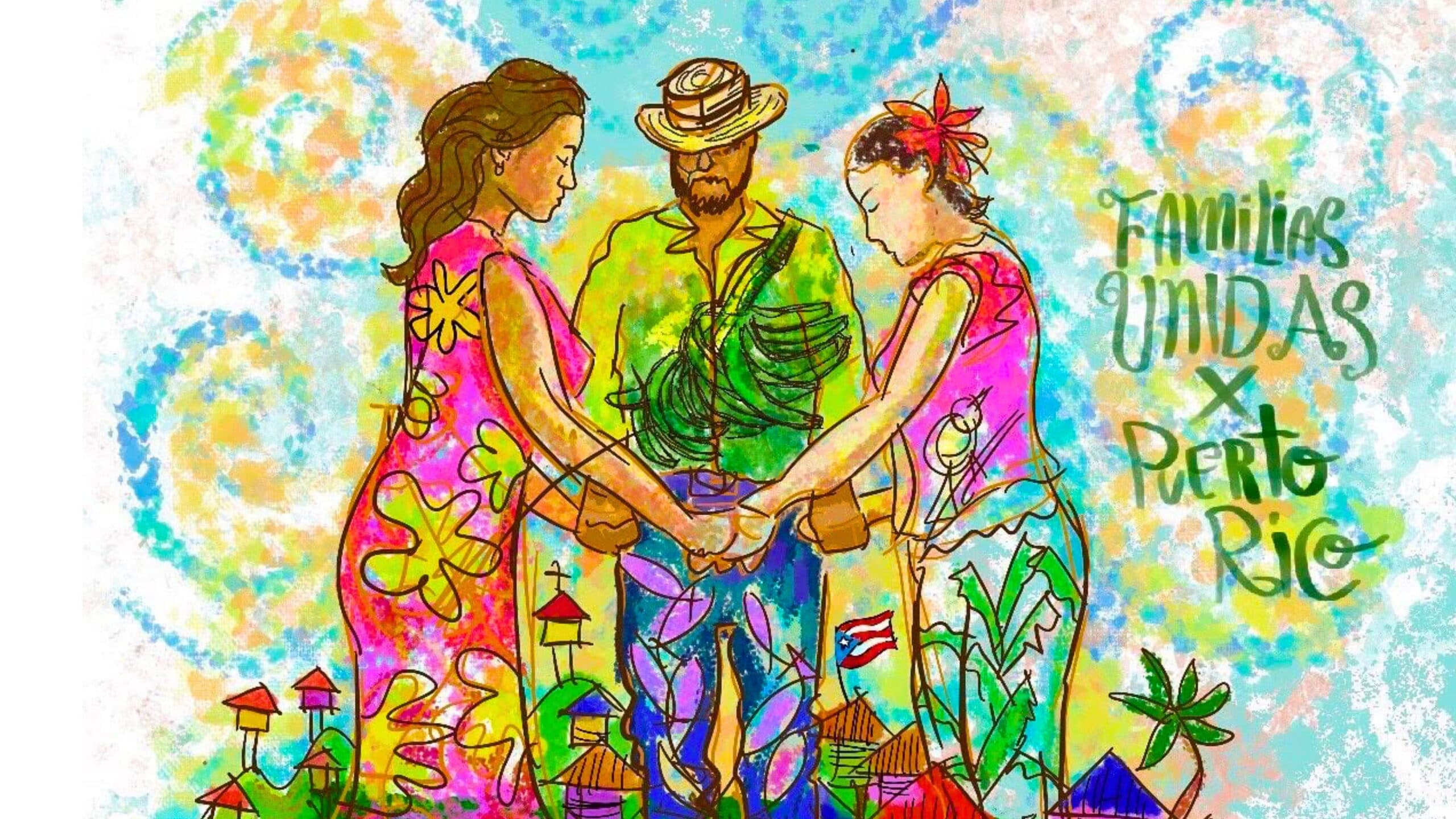
Years after Hurricane Maria, the same philosophy was reflected in “Familias unidas x Puerto Rico,” a piece centered on the way Puerto Rican families come together during adversity.
The approach demonstrates how entrepreneurs can respond to changing circumstances while maintaining a consistent brand identity.
Entrepreneurship Beyond Selling a Product
For Boceteo, entrepreneurship has ultimately involved more than creating and selling artwork.
The project has transformed memory, culture and lived experiences into a business proposition, while using art to preserve moments in Puerto Rico’s history.
A coffee maker can evoke mornings at a grandparent’s home. A wooden mortar can recall a family kitchen. An aluminum tub can represent both an earlier generation and the challenges Puerto Ricans confronted after a major hurricane.
That ability to turn familiar experiences into something consumers recognize as their own has helped define Boceteo’s entrepreneurial identity.
For Soto and Robles, what started with the simple idea of creating “joyful art” has become an example of how Puerto Rican entrepreneurs can build a business around what they know best: their culture, their experiences and the community they serve.