Innovation Force Solar Advances Proposal for 800-MW Battery Storage Hub in Salinas
The unsolicited public-private partnership proposal, disclosed in a filing tied to the New Fortress gas dispute, would exceed every battery project now underway on the island
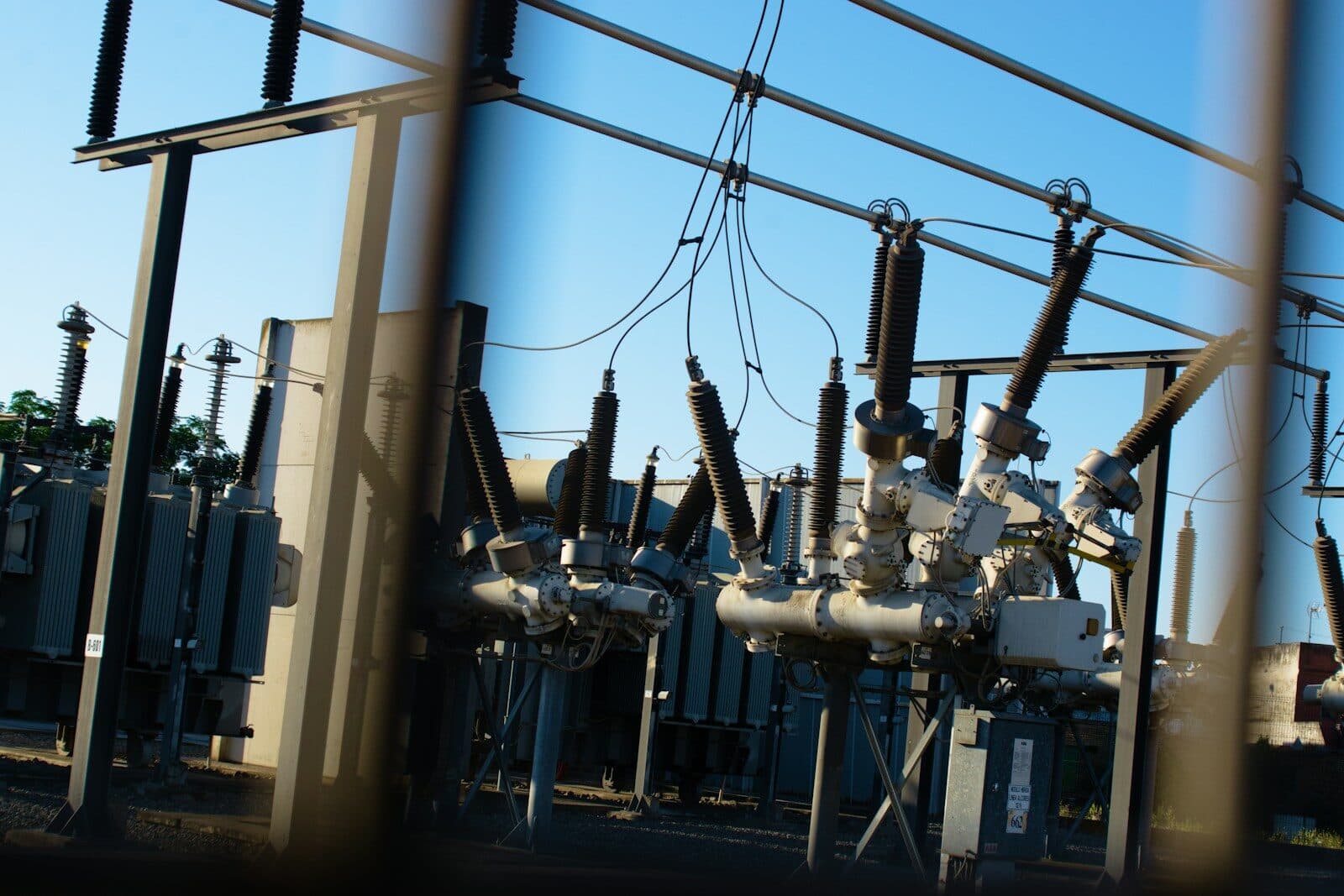
Puerto Rico renewable energy developer Innovation Force Solar Systems LLC has prepared an unsolicited proposal for an 800-megawatt battery energy storage system in Salinas.
The company intends to pursue the project through the island’s public-private partnership framework, presenting it as a way to strengthen grid reliability and reduce dependence on imported fossil fuels.
The proposal surfaced in a filing with the Puerto Rico Energy Bureau, where Innovation Force sought to intervene in an ongoing proceeding concerning fuel supply disputes involving NF Energía LLC and New Fortress Energy.
In its motion, the company disclosed that it had prepared the proposal under Puerto Rico’s Public-Private Partnerships Act to develop the battery energy storage system, or BESS, in the southern municipality of Salinas.
Progress will likely depend on review by the Public-Private Partnerships Authority, an assessment of its technical and economic viability, and any subsequent regulatory proceedings before the Puerto Rico Energy Bureau. The authority and Innovation Force President Harry Flores Vázquez did not respond to requests for comment.
At 800 MW, Innovation Force’s proposed facility would rank among the largest energy storage projects contemplated in Puerto Rico and exceed the capacity of many battery projects currently under development on the island.
Pitched as an answer to the gas crisis
The filing presents the project as critical infrastructure that could help address energy security vulnerabilities exposed by disruptions in natural gas supply and the resulting increase in diesel-fired generation.
Those disruptions came to a head this month. New Fortress Energy’s gas supply to the San Juan and Palo Seco generating units ran out on Oct. 31, and the units have been running on diesel, which costs more, according to published reports.
The government is seeking more than $100 million in substitute-fuel costs from the company in federal court, where a judge ordered New Fortress not to block alternate suppliers, and officials have opened talks with Crowley and Naturgy about replacement supply.
Innovation Force argued that large-scale battery storage could improve grid stability and support the integration of renewable generation, offering an alternative to greater reliance on imported fuels.
“In the face of the crisis caused by the vulnerability of depending on imported fossil fuels, the petitioner invokes Law 29-2009,” the company stated, referring to Puerto Rico’s Public-Private Partnerships Act.
The filing frames the Salinas facility as a way for the local renewable energy sector to respond to the island’s energy supply challenges.
A Spanish partner
To advance the proposal, Innovation Force is working with EWattio Renewable Energy Projects, a Spanish company headquartered in Madrid. According to its website, EWattio manages more than 138 renewable energy projects totaling over 850 MW of clean energy capacity across Spain and Portugal, with a team whose cumulative experience spans 34 years.
In June of this year, Flores Vázquez designated EWattio CEO Miguel Ángel de Villota as the company’s representative before Puerto Rico’s Public-Private Partnerships Authority and other governmental entities as it seeks to move the project forward.
Publicly available information describes EWattio as a developer of renewable energy and energy transition initiatives, including solar and energy storage projects in international markets.
Its involvement could bring engineering, development and project structuring expertise to the Salinas proposal, which would be among the largest battery storage projects announced in Puerto Rico to date.
Salinas emerging as renewable energy hub
The proposed battery facility would build on Salinas’ growing role in Puerto Rico’s renewable energy sector.
The municipality has attracted developers because of its available land, transmission infrastructure and strategic location along the island’s southern energy corridor. Several utility-scale renewable projects in the region are operating, under construction or moving through permitting and interconnection processes.
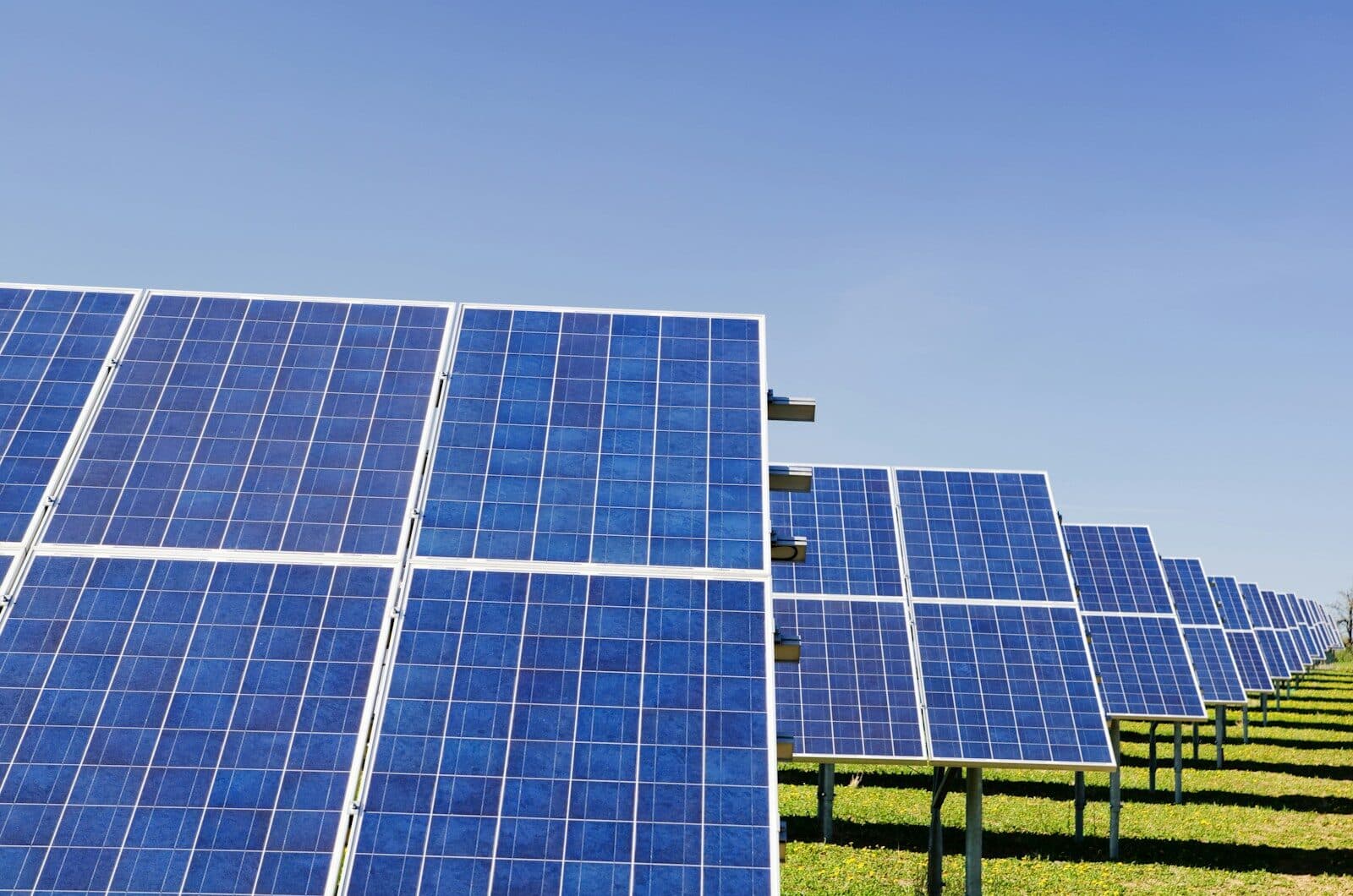
These include Horizon Solar Park, which has been operational since 2015; Ciro One, a large-scale solar and battery storage development; and the Marahú Solar and Storage plant by AES.
Ciro One, developed by Ciro Energy Group, pairs 90 MW of solar panels with a 51.5-MW, 206-megawatt-hour battery, and in January became the first utility-scale solar plant connected to the grid in nearly a decade. Project Marahú, a joint venture of AES and TotalEnergies backed by an $861.3 million U.S. Department of Energy loan guarantee in 2024, combines 200 MW of solar with up to 285 MW, or 1,140 megawatt-hours, of standalone storage.
Battery storage is central to that transition toward renewables because it allows solar energy generated during the day to be stored and dispatched after sunset, reducing reliance on oil-, diesel- and natural gas-fired generation.
A battery’s size is described in two numbers. Megawatts measure how much power it can deliver at any moment; megawatt-hours measure how much energy it holds, and therefore how long it can deliver that power. A 100-MW battery with 400 megawatt-hours can run at full output for four hours. Batteries do not generate electricity: they shift it, charging when power is plentiful, typically from midday solar, and discharging during the evening peak, when demand is highest and the sun is gone.
Their other job is speed. Batteries can respond in fractions of a second when a generator trips or demand jumps, providing frequency regulation, voltage control and fast reserves that keep the grid from tipping into load shedding.
Genera PR, the operator of the island’s legacy power plants, has said its own battery program could cut generation-related load shedding by up to 90%.
Industry observers view storage as increasingly critical to Puerto Rico’s energy transformation, and the island’s planners have repeatedly identified it as a key component of improving reliability and integrating more renewable generation into the grid.
At 800 MW, Innovation Force’s proposed facility would rank among the largest energy storage projects contemplated in Puerto Rico and exceed the capacity of many battery projects currently under development on the island.
For scale, Genera PR is installing 430 MW of four-hour batteries, or 1,720 megawatt-hours, at its power plants with about $767 million in federal funds, and rooftop systems added about 2,864 megawatt-hours of distributed batteries at more than 171,000 homes and businesses by the end of 2025, according to industry data.
The filing, as described, gives only the 800-MW figure. At the four-hour duration common in Puerto Rico’s projects, it would hold about 3,200 megawatt-hours, in CB’s calculation.
Supporters argue that storage at this scale could provide reserve capacity, frequency regulation and emergency backup power while helping shield consumers from volatility in fossil fuel markets.
Where storage fits
The proposal lands in the middle of a rebuild on several fronts at once. On the generation side, Genera PR is repairing aging oil-fired plants, some dating to the 1970s, with help that includes a $365 million U.S. Department of Energy allocation, and is installing 244 MW of new peaking turbines at Costa Sur, Yabucoa, Jobos and Daguao that can burn natural gas or diesel, with about $867 million in federal funds.
The Public-Private Partnerships Authority is seeking up to 3,000 MW of new firm generation, and the Energy Bureau’s chairman has written that natural gas is expected to replace unreliable oil-fired units as a transitional resource.
Renewables are arriving from two directions. Utility-scale solar has lagged for years because of transmission constraints, permitting delays and procurement disputes. Rooftop solar has moved much faster: about 1,456 MW was installed on roughly 192,000 homes and businesses by the end of 2025, according to industry data.
Act 1-2025 dropped the interim renewable targets of 40% by 2025 and 60% by 2040 but kept the goal of 100% by 2050.
Tying it together falls to LUMA Energy, which runs transmission and distribution. Federal reconstruction money is paying for substation rebuilds, hardened transmission corridors, automation and smart meters, the tools a utility needs to manage power flowing in from thousands of rooftops, a handful of solar farms and fossil plants at the same time.
LUMA’s virtual power plant program already enlists home batteries through aggregators to support the grid during peak demand.
In that system, a large battery hub is less a substitute for fuel than a way to use solar power more fully and keep the grid steady as more of it arrives. Its value depends on such details as how many hours of storage it would hold, how much it would cost and who would pay for it, and how much surplus solar the southern corridor can supply to charge it.
Average bills rose from $579 to $691 for more than 75,000 commercial accounts as consumption grew only 2.5%, with $4.6 million already more than 90 days overdue
The Bureau cleared an 80 MW solar facility and a battery system in Guánica at prices below most earlier renewable awards, and it placed any grid fixes on the developer rather than ratepayers