The Bureau cleared an 80 MW solar facility and a battery system in Guánica at prices below most earlier renewable awards, and it placed any grid fixes on the developer rather than ratepayers
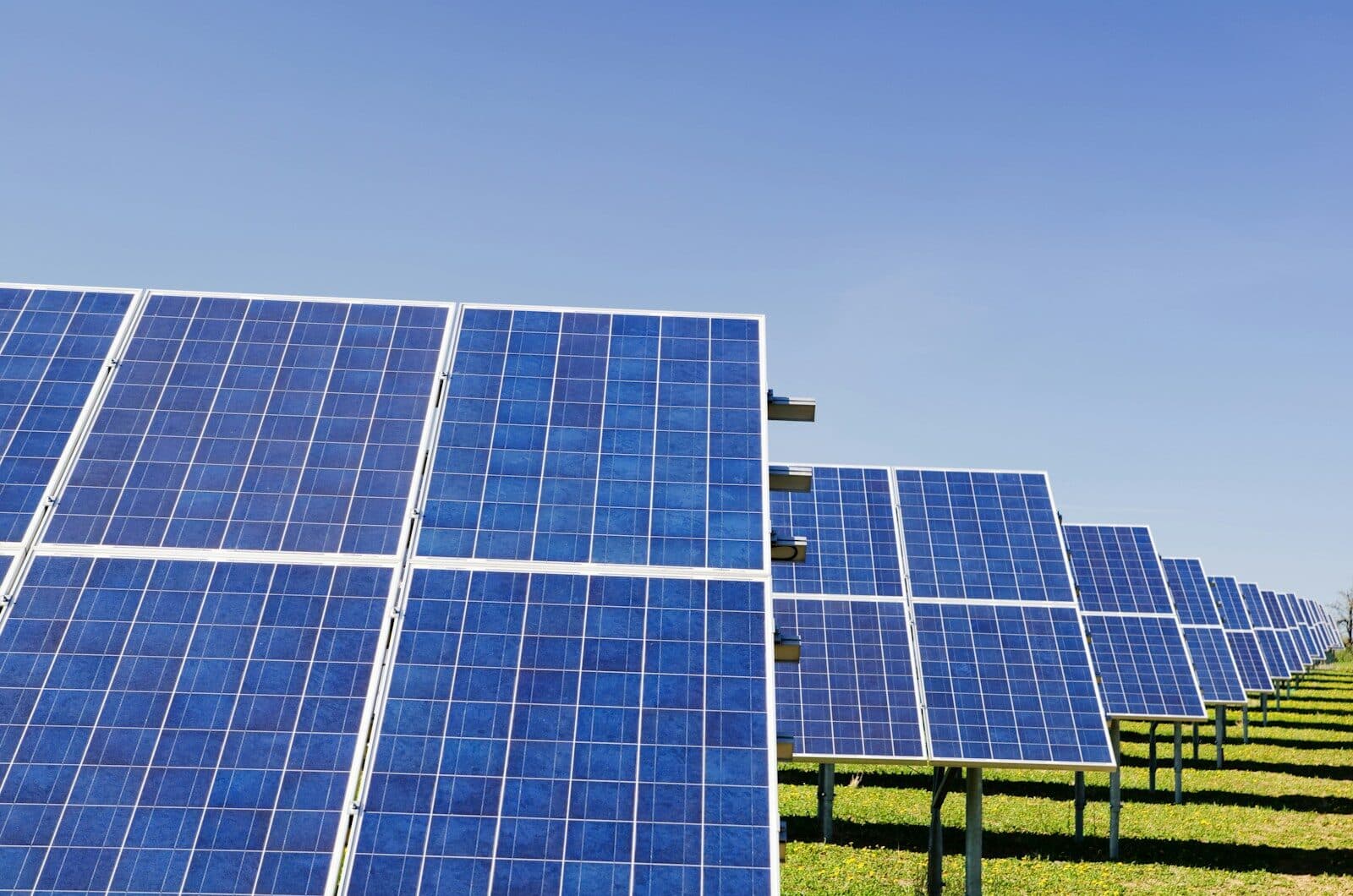
The Puerto Rico Energy Bureau has approved agreements for the development of an 80-megawatt solar photovoltaic facility and an 80-megawatt battery energy storage system in Guánica, clearing the way for one of the renewable energy projects evaluated under the island’s accelerated procurement process to secure federal investment tax credits.
While the Energy Bureau identifies the developer only as Proponent 7, filings in the proceeding name it as Greenbriar Sustainable Living Inc. and PBJL Energy Corporation, and refer to the project as the Montalva Solar Farm and Battery Storage Project, a solar-plus-storage initiative in Guánica and Lajas. Greenbriar’s earlier public materials described an 80 MW facility that could grow to 160 MW.
In a resolution and order issued Oct. 30, the Bureau approved a proposed Power Purchase and Operating Agreement (PPOA) for the solar facility and an Energy Storage Services Agreement (ESSA) for a battery system capable of delivering 80 MW of power for five hours, or 400 megawatt-hours of storage.
The project emerged from a fast-tracked procurement process launched after Gov. Jenniffer González Colón expanded Puerto Rico’s energy emergency through Executive Order OE-2025-047, which sought to accelerate the approval of renewable energy projects eligible for federal investment tax credits under the One Big Beautiful Bill Act.
The approval concludes more than a year of regulatory review, negotiations, procedural disputes and supplemental filings between the Puerto Rico Electric Power Authority (PREPA) and the project developer, identified in the proceeding as Proponent No. 7.
Two contracts, policy fit and competitive pricing
The proposed development consists of two separate facilities that will operate under independent contracts but be located in the same municipality. The solar project will generate electricity for PREPA under a 20-year agreement, while the battery facility will provide storage services under a separate 20-year contract.
The Energy Bureau found that the projects are consistent with Puerto Rico’s long-term energy policy goals and are not inconsistent with the Integrated Resource Plan that guides the island’s transition toward renewable energy. The regulator noted that the additional 80 MW of solar generation and 80 MW of battery storage represent only a limited increase beyond resources previously approved and would support ongoing efforts to strengthen grid reliability while advancing Puerto Rico’s clean-energy transition.
The Bureau also concluded that the project’s pricing is reasonable and falls within the range of prices previously approved for renewable energy projects. According to the resolution, the proposed prices are lower than those approved for most projects authorized through earlier renewable energy procurement rounds.
Grid studies still outstanding
A significant portion of the Bureau’s review focused on interconnection issues. While the final interconnection studies needed to independently verify the project’s impacts on the transmission and distribution system have not yet been completed or formally entered into the record, regulators determined that it was reasonable under the circumstances to rely on PREPA’s representations regarding the project’s ability to connect to the electric grid.
The Bureau said it considered the importance of advancing renewable generation and storage projects in time to qualify for federal tax incentives, which are subject to accelerated expiration deadlines under recent federal legislation, as well as the broader public interest in improving the reliability and resiliency of Puerto Rico’s electric system.
However, the regulator emphasized that the approval does not eliminate future technical requirements. The Bureau ordered PREPA and the developer to submit final interconnection studies once completed by LUMA and demonstrate that the projects can be integrated without causing voltage violations or negatively affecting grid stability and reliability. Any corrective measures required to address deficiencies identified in those studies must be borne by the project developer rather than ratepayers.
Contract terms and financing
The Bureau also clarified a key provision related to battery performance. While the ESSA recognizes an annual battery degradation rate of 2.1%, regulators stressed that the contract requires the system to maintain its full 400-megawatt-hour storage capability throughout the life of the agreement. Any degradation in the battery system must be offset through equipment augmentation or other measures paid for entirely by the project developer.
In its decision, the Energy Bureau said the agreements represent an important step toward modernizing Puerto Rico’s electric system and addressing the island’s need for additional reliable generation capacity while advancing sustainability, resilience and affordability goals.
The parties must submit executed copies of the agreements within 10 days of signing, and any future amendments will require prior regulatory approval. Regulators also warned PREPA that failure to comply with the order could result in penalties under Act 57-2014.
Greenbriar reportedly secured the complete $300 million construction financing package via mandate agreements through financial partners, including Pegasus Renewable Energy and Sustainable Infrastructure Credit Advisors.