Within 24 hours, NFE must provide written notice of how much LNG inventory remains
A federal judge has granted the Puerto Rico Electric Power Authority (PREPA) an emergency temporary restraining order against NFEnergia LLC, a subsidiary of New Fortress Energy, finding that the utility demonstrated an immediate risk to the reliability of Puerto Rico’s electric grid if natural gas supplies to key power plants are disrupted.
The order, issued by U.S. District Judge Pedro A. Delgado-Hernández, stems from a motion filed Friday as part of a lawsuit PREPA initiated in September against NFEnergia, New Fortress Energy Inc. and related entities over alleged breaches of a Gas Sales Agreement governing liquefied natural gas deliveries to the San Juan power complex.
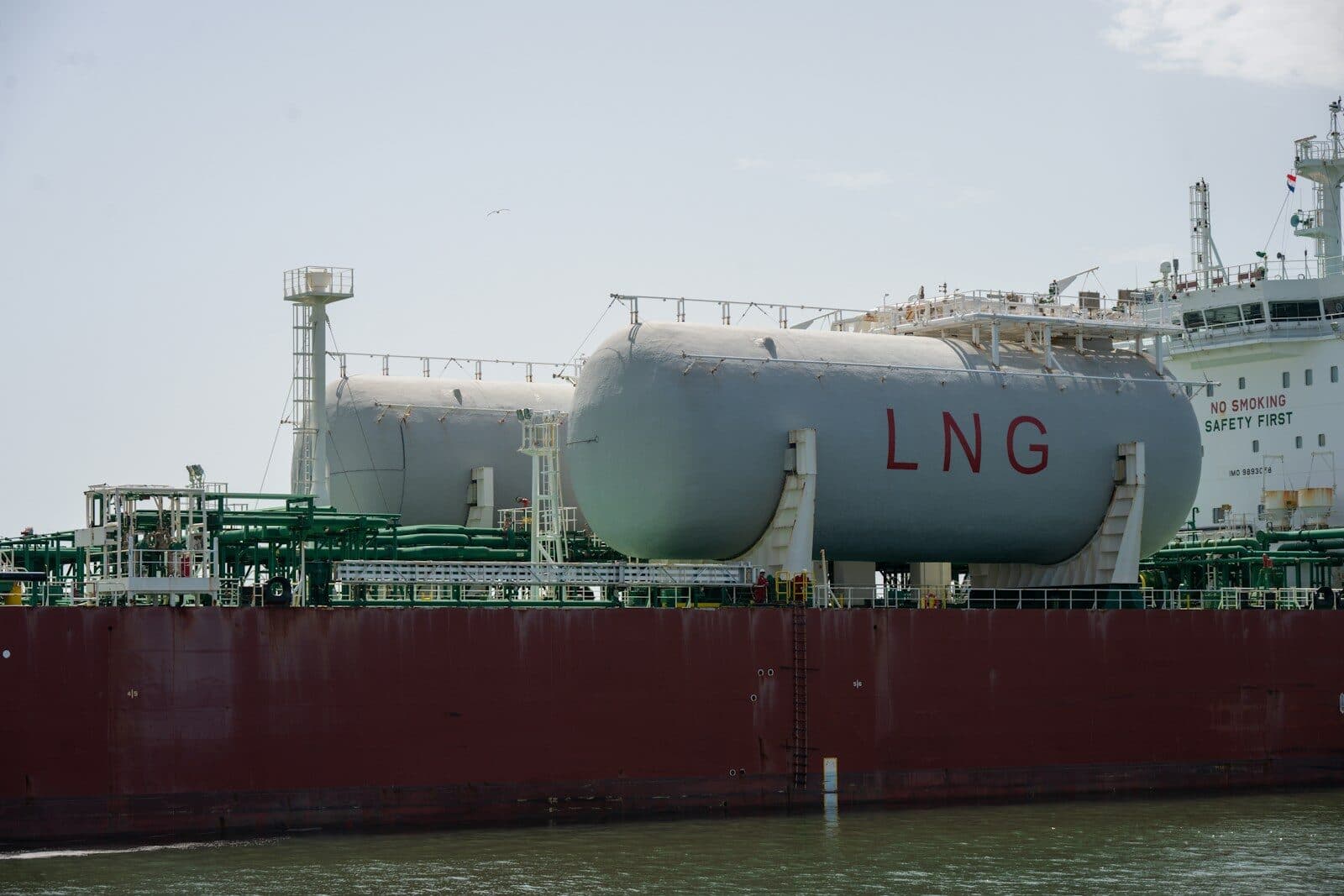
The ruling comes as concerns intensify over fuel availability at NFE’s San Juan LNG terminal. According to court filings, the Amur River, the terminal’s sole LNG supply vessel, was projected to exhaust its cargo by Nov. 1, while NFE had yet to identify a replacement vessel or provide a timetable for future deliveries. PREPA argued that despite repeated requests for information, it learned details about the terminal’s fuel outlook through press reports and legislative testimony rather than from notices required under the parties’ contract.
In testimony cited by PREPA, NFEnergia General Manager Zak Ahmed reportedly told lawmakers that the approximately 7,800 cubic meters of LNG aboard the Amur River could supply the San Juan generating complex only through Nov. 1 and that the company had not yet determined which vessel would carry the next cargo or when it would arrive.
Judge Delgado-Hernández’s order largely adopts the immediate relief sought by PREPA. Within 24 hours, NFE must provide written notice of how much LNG remains aboard the Amur River, the projected depletion date of that inventory, and the identity and expected arrival date of the next LNG vessel, if one has been secured. The company also must disclose whether its terminal facilities are available to receive, regasify and redeliver LNG supplied by a third party.
The court further ordered NFE to designate a representative available at all times to coordinate fuel-supply matters and, within 72 hours, provide operating procedures governing LNG deliveries, vessel compatibility requirements, terminal operations and fuel handling. According to the order, NFE is prohibited from taking actions that would prevent or delay the receipt of LNG from third-party suppliers and may not condition access to its facilities on PREPA’s payment of disputed invoices.
The ruling is significant because PREPA’s lawsuit centers on provisions of the Gas Sales Agreement that require NFE to facilitate so-called tolling arrangements, allowing the utility to obtain fuel from alternate suppliers when NFE cannot provide gas or declares force majeure. PREPA contends NFE has refused to honor those provisions since September despite repeated requests from the utility and the Third-Party Procurement Office.
PREPA told the court that one of the San Juan generating units has not received natural gas since Sept. 16 and has instead been operating on diesel fuel. The utility alleges that after the Amur River arrived on Oct. 13, NFE supplied only San Juan Unit 6 while Unit 5 continued to operate without natural gas service.
The authority argued that the consequences have been both operational and financial. According to sworn estimates submitted by Genera PR, operating power plants on diesel instead of natural gas cost more than $18 million during the second half of September alone. PREPA also alleges that NFE owes approximately $45.8 million in contractual “Deliver or Pay” penalties during 2026, including $13.8 million covering January through July and another $32 million arising from the Sept. 16 through Oct. 13 supply interruption. PREPA says those amounts remain unpaid.
The utility further contends those claimed penalties already exceed the contract’s $40 million annual liability cap, creating little additional financial exposure for NFE from further interruptions this year unless the court ultimately determines the company’s conduct constituted willful misconduct or willful abandonment of its contractual obligations.
PREPA also alleged that NFE has been supplying the San Juan TM2500 temporary generation units through ISO containers rather than pipeline deliveries from the terminal. Under the contract, each container delivery carries a $250 fee, which PREPA estimates results in between $5,000 and $7,500 in daily charges because 20 to 30 container deliveries are required each day.
In granting the emergency relief, the judge agreed that the risk extends beyond a contractual dispute. The court found that forcing generating units to rely on diesel fuel could reduce available capacity by roughly 10%, decrease efficiency and increase the likelihood of equipment failures. The order notes that such conditions could jeopardize the reliability of Puerto Rico’s electric system, a concern federal courts have previously recognized as constituting irreparable harm.
PREPA also informed the court that an alternative supplier stands ready to provide fuel if access to NFE’s facilities is granted. According to evidence submitted by the authority, the supplier could begin LNG deliveries by truck within one day and by vessel within three to 20 days after obtaining the necessary information and terminal access from NFE.
The temporary restraining order remains in effect for 14 days while litigation continues. The court required PREPA to post a $1,000 bond and is expected to consider additional requests for a preliminary injunction and expedited discovery as the case moves forward.
The ruling represents an early victory for PREPA in a dispute that has become increasingly intertwined with concerns about electric-system reliability, fuel security and the future operation of some of Puerto Rico’s most important power plants.