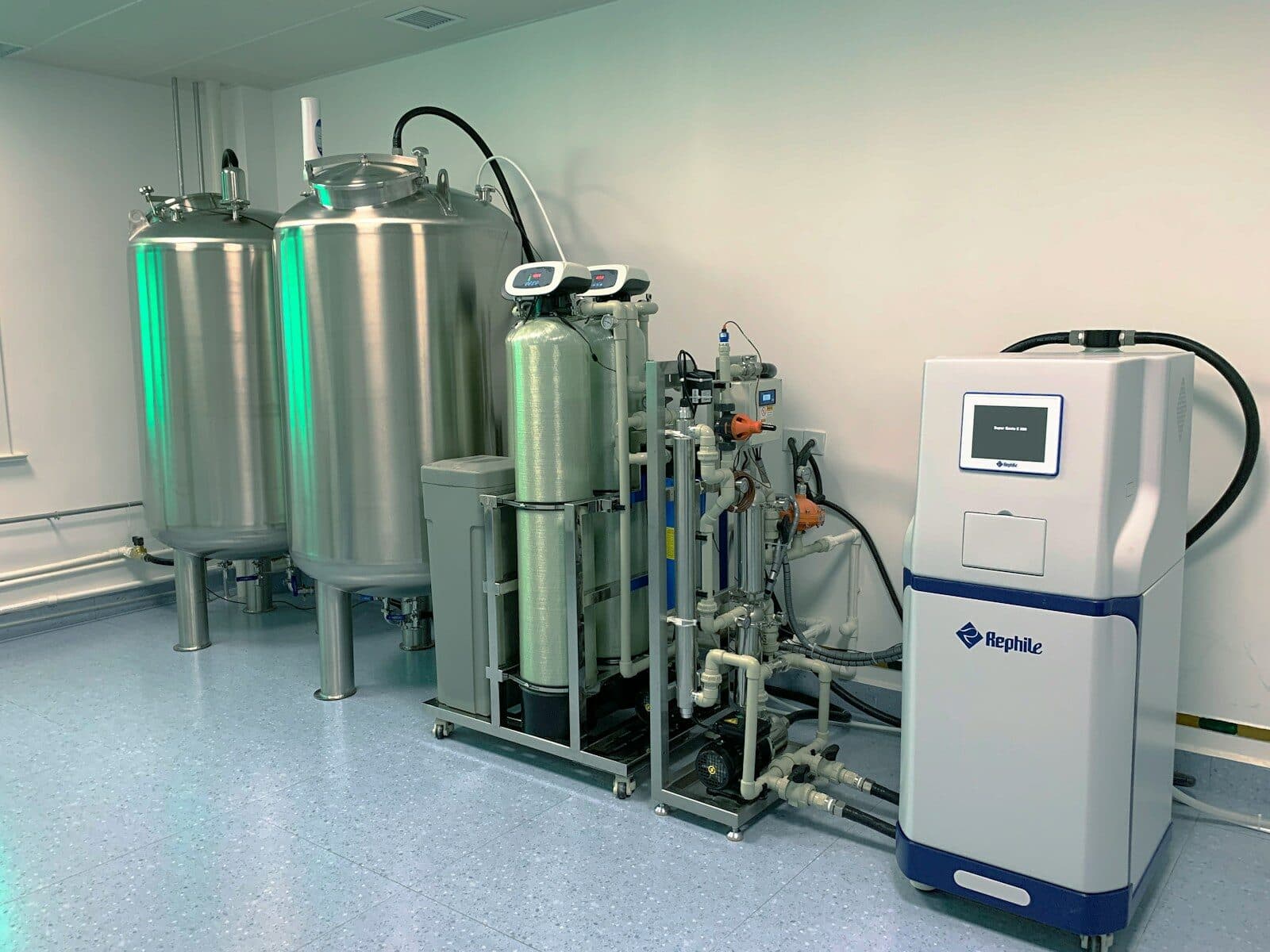
The planned reverse osmosis water treatment facility would provide seven million gallons of water
Genera PR has asked the Puerto Rico Energy Bureau to approve a FEMA-funded project designed to safeguard electric generation during Puerto Rico’s worsening drought, arguing that the Island’s power plants cannot afford interruptions in their water supply as rationing expands across multiple municipalities.
In a motion filed August 6, Genera, the private operator of Puerto Rico Electric Power Authority’s (PREPA) legacy generation fleet, submitted for review an Initial Scope of Work to build a reverse osmosis water‑treatment facility capable of producing seven million gallons per day of treated water.
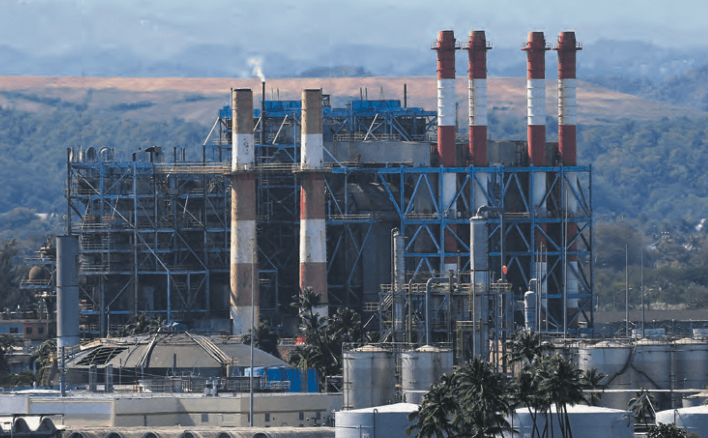
The project, which may be located at either the San Juan or Palo Seco power plants, seeks to restore Hurricane María–damaged water‑treatment systems and add hazard‑mitigation measures that would allow the plants to operate independently of PRASA’s potable‑water system.
The filing comes one week after Gov. Jenniffer González Colón declared a water‑use emergency amid critically low reservoir levels and ordered government agencies to prioritize actions that protect essential services. With rationing already underway in parts of the metropolitan area, Genera argues that the project is necessary to prevent generation units from reducing output or shutting down if external water supplies fail.
According to the FEMA scope, Hurricane María caused extensive damage to the plants’ reverse osmosis systems, including membrane degradation, pump failures, corrosion, electrical‑system damage, and loss of operational reliability. Restoring only the predisaster capacity, the document notes, would leave the plants vulnerable to future droughts, water‑system failures, or hurricane impacts.
Puerto Rico’s thermal generation units are among the largest PRASA water consumers in the northern region. By producing their own treated water, the plants would reduce demand on the public water system at a time when residential and commercial customers are already facing restrictions. The proposed facility would incorporate modular redundancy, hardened electrical systems, upgraded intake and discharge infrastructure, and emergency storage sized to sustain operations for up to 24 hours.
The project carries an estimated cost of $95 million to $165 million, with a preliminary programming value of $135 million. Genera asked the Energy Bureau to expedite its review so the proposal can be submitted to COR3 and FEMA without delay, citing the ongoing emergency and the need to maintain reliable electric service as drought conditions intensify.