The move comes after learning of the unauthorized use of Enchanted Rock’s name
Puerto Rico’s effort to shore up its fragile electric grid has been thrown into deeper turmoil after Enchanted Rock, the Texas‑based microgrid developer whose participation helped support approval of PREPA’s 400 MW temporary generation contract, told the Financial Oversight and Management Board that its name and signature were used “without our authorization” in the procurement.
That allegation has triggered a formal review that could unravel the Board’s approval of the deal and prompt a referral to authorities, according to an August 7 letter to Osvaldo Carlo Linares, president of the Third Party Procurement Office, which is supervising the transaction.
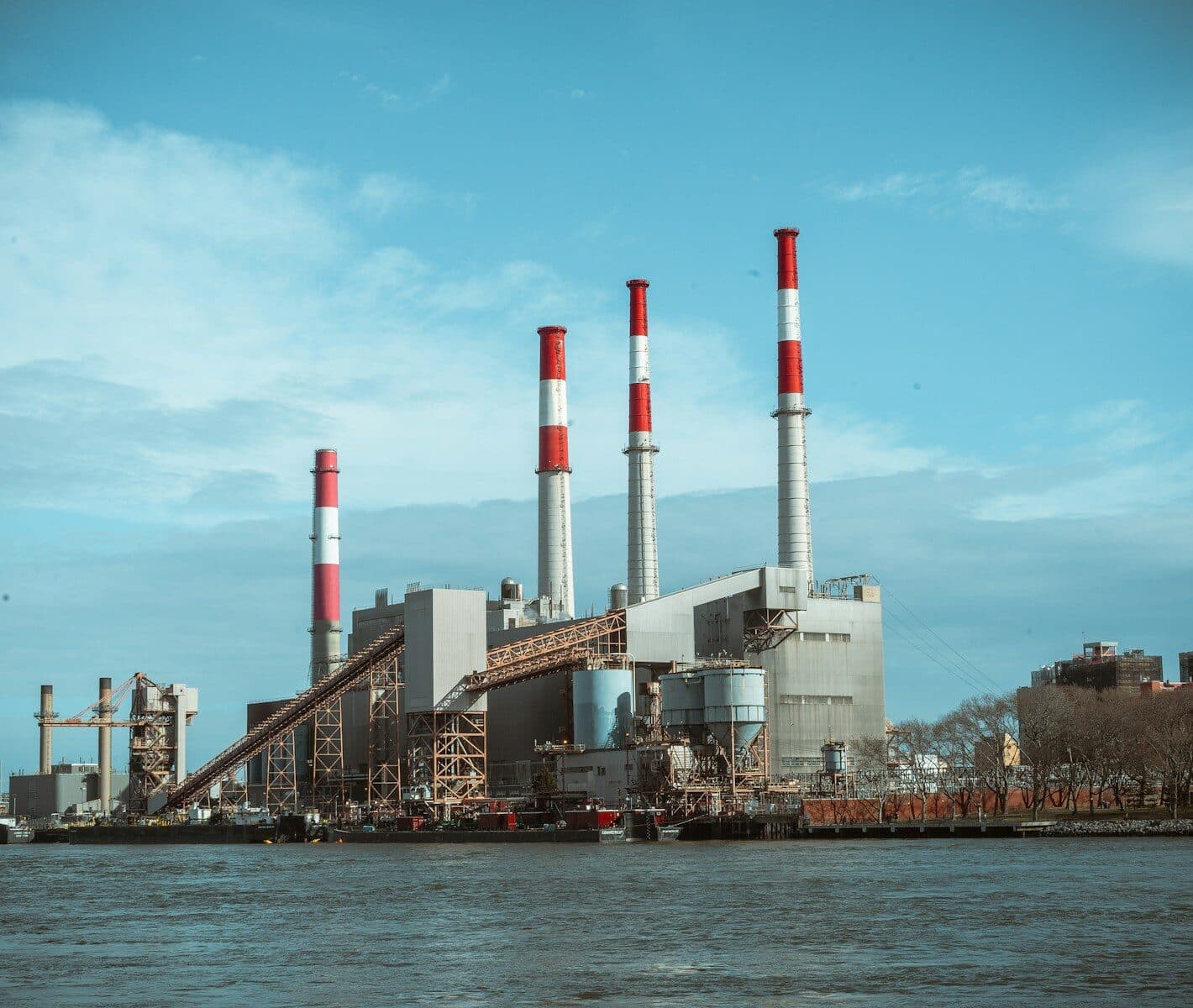
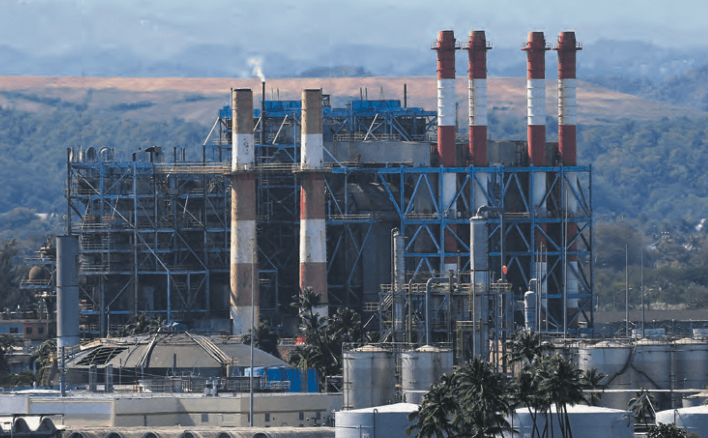
The disclosure comes 57 days after the contract’s execution on June 10, 2026, nearly halfway through the 90‑ to 150‑day deployment window, without any meaningful progress at the Aguirre power plant, where the units were supposed to be installed. PREPA has confirmed that no milestones have been met, the required $1.18 billion performance bond has not been delivered, and the seller has already requested a schedule extension, which PREPA denied.
The Oversight Board’s concerns center on the contract’s structure and the qualifications of the seller consortium—Power Expectations, LLC; Reyes Contractor, LLC; and, originally, Enchanted Rock.
According to the Board, Enchanted Rock’s participation was a critical factor in determining that the consortium was technically and financially capable of executing a project of this scale. Without it, the remaining entities lacked demonstrated experience with utility-scale generation projects and had limited financial capacity. A 3PPO analysis from August 2025 found that Power Expectations’ proposal did not provide adequate evidence of organizational or financial strength to sustain a ten-year contract valued at up to $5.8 billion.
The procurement itself has been fraught for more than a year. The original emergency solicitation, launched in March 2025 after the failure of Aguirre Unit 1, required units to be operational by June 1, 2025, an impossible deadline after regulatory objections, legal challenges, and a full cancellation of the process. A second solicitation in July 2025 produced the current award, but PREPA waited six months before submitting the proposed contract to the Oversight Board, despite Puerto Rico’s ongoing generation shortfall.
During its review, the Board flagged multiple deficiencies: unenforceable milestones, weak delay remedies, inconsistent bid‑bond valuations, including a $300,000 surety bond for a multibillion‑dollar project, and a financing model dependent on PREPA receivables despite no guaranteed runtime. The Board nonetheless granted conditional approval in May 2026, citing the island’s urgent need for generation, but required strict revisions including defined milestones, reporting requirements, liquidated damages, and termination rights.
Those revisions were incorporated, and the Board authorized execution on June 2, 2026. But within days, Power Expectations informed PREPA that Enchanted Rock had withdrawn from the project and that its interests had been assigned to Flotek Industries of Houston. PREPA later confirmed the substitution.
Caribbean Business reported on August 4 that Flotek Industries announced that it had partnered with Power Expectations to supply 400 MW of temporary energy and that it expected to generate $40 million in annual revenue.
The situation escalated on August 7, when Enchanted Rock told the Board it had not authorized the use of its name or signature in the procurement. That allegation—combined with the project’s lack of progress—has prompted the Board to reassess its approval.
The Oversight Board is now “reviewing all of its options, including revoking its approval of the Contract and making a referral to the relevant authorities,” Executive Director Robert F. Mujica Jr. wrote in a letter to Carlo Linares.
With peak‑demand season underway and no temporary generation deployed, Puerto Rico faces renewed uncertainty over how and when emergency capacity will materialize and whether the procurement process itself may have been compromised.