Hyatt Regency Grand Reserve Puerto Rico is positioning itself for its next phase of growth by doubling down on an increasingly important trend in Caribbean tourism: travelers who want more than beachfront luxury and are actively seeking authentic, local experiences.
Under the leadership of General Manager Morty Valldejuli, a veteran hospitality executive with more than 25 years of experience in luxury resorts and hotels, the 579-room property in Río Grande is pursuing a strategy centered on elevated service, expanded food-and-beverage offerings, year-round programming, and deeper connections with Puerto Rican culture and the local community.
Valldejuli, who recently returned to Puerto Rico after years working in hospitality markets across the United States and the Caribbean, said the property’s long-term vision is to reclaim its place among the Island’s most iconic tourism destinations.
“The vision of this property is to once again become an icon of the Puerto Rican tourism industry,” he said, emphasizing that the resort aims to create memorable experiences that inspire guests to return. The resort’s average guest stay ranges from five to seven days, making guest engagement through activities, culinary offerings, beach experiences and programming a critical part of its business model.
That strategy comes with strong credentials. During his tenure at Westin Grand Cayman and Sunshine Suites, Valldejuli helped increase resort revenue from approximately $25 million in 2012 to $75 million by 2018, while overseeing major renovations, expanding food-and-beverage operations, and developing programming that became a case study within Pyramid Global Hospitality, a major hotel management company.
At Hyatt Regency Grand Reserve, management sees food and beverage as one of the property’s most important competitive advantages.
“There is nothing more important than food,” Valldejuli said, noting that guests often organize their vacations around dining experiences. As a result, the resort is exploring the creation of a signature food-and-wine festival that would bring international winemakers and culinary talent to the property, helping to establish a marquee event for Puerto Rico’s tourism sector.
Driving that effort is Christian Muñiz, the resort’s director of food and beverage, who returned to Puerto Rico after working in hospitality operations in Los Angeles and other U.S. markets. Since joining the property, Muñiz has focused on elevating the resort’s culinary program while infusing menus with local products and stories.
The resort sources local seafood, Puerto Rican coffee and other island-grown ingredients, while developing menus that explain the origins of those products to guests. According to Muñiz, today’s travelers increasingly want cultural immersion alongside luxury accommodations.
That philosophy can even be seen at breakfast. Muñiz said Hyatt Regency Grand Reserve has introduced what he describes as Puerto Rico’s only hotel breakfast station dedicated to traditional Puerto Rican fare, including rice and beans, fried pork, fried chicken and sweet plantains alongside conventional breakfast items. The station has quickly become one of the resort’s most popular offerings.
“The vision of this hotel is to once again become an icon of Puerto Rico’s tourism industry.”
Morty Valldejuli, Managing Director
Beyond dining, the hotel is investing heavily in entertainment and activations designed to ensure guests find activities throughout the week rather than only on weekends. Beginning this season, management plans to offer daily programming across restaurants, pools and beach areas, creating a more consistent resort experience regardless of arrival date.
This approach reflects a broader effort to compete not only with other luxury Puerto Rican properties but also with destinations throughout the Caribbean.
Muñiz said the goal is to position Hyatt Regency Grand Reserve among the leading resorts in Puerto Rico and the wider Caribbean by combining the property’s physical assets with enhanced service and memorable experiences.
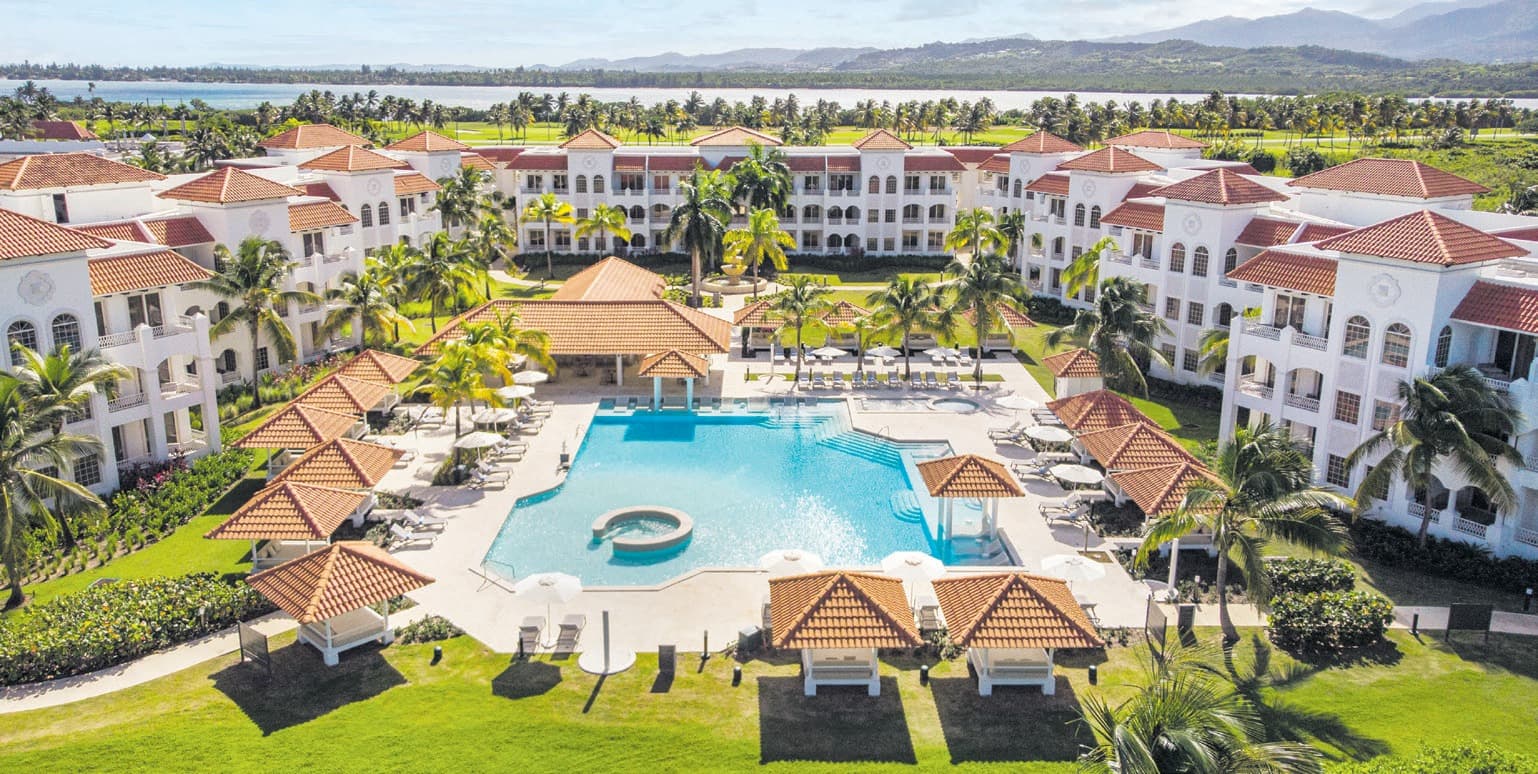
Marketing Director Neisha Martínez believes the property’s unique setting gives it a powerful advantage. Situated on its own peninsula in Río Grande, the resort offers guests the opportunity to experience both sunrise and sunset from the same property, a feature she says differentiates it from competitors.
Local Residents & Employees are key
Martínez also sees significant growth opportunities among Puerto Rican residents, a segment that helped sustain business during the COVID-19 pandemic through social events, weddings and local gatherings. Today, the resort continues to market year-round packages and day passes designed specifically for local visitors, allowing residents to use the resort’s pools, restaurants and recreational amenities without booking overnight stays.
The property’s leadership repeatedly emphasized that community engagement will remain central to future growth plans.
More than 90% of the hotel’s workforce is comprised of local employees, according to management, which has made workforce development, training and career advancement a key priority. Executives said the goal is not simply to fill jobs but to create long-term career pathways for future hospitality leaders in Puerto Rico.
The resort is also working closely with Discover Puerto Rico, the Puerto Rico Tourism Co. and the Puerto Rico Hotel & Tourism Association to expand awareness of both the property and the Island. While the United States remains the hotel’s primary feeder market, executives say digital marketing initiatives are increasingly helping the resort reach travelers in Europe, Colombia and other international markets.
For Hyatt Regency Grand Reserve, however, the ultimate objective extends beyond occupancy and room revenue.
“The memories guests create here become part of their legacy,” Valldejuli said. The challenge, he noted, is ensuring that Puerto Rico’s culture, hospitality and identity remain at the center of every experience the resort delivers.
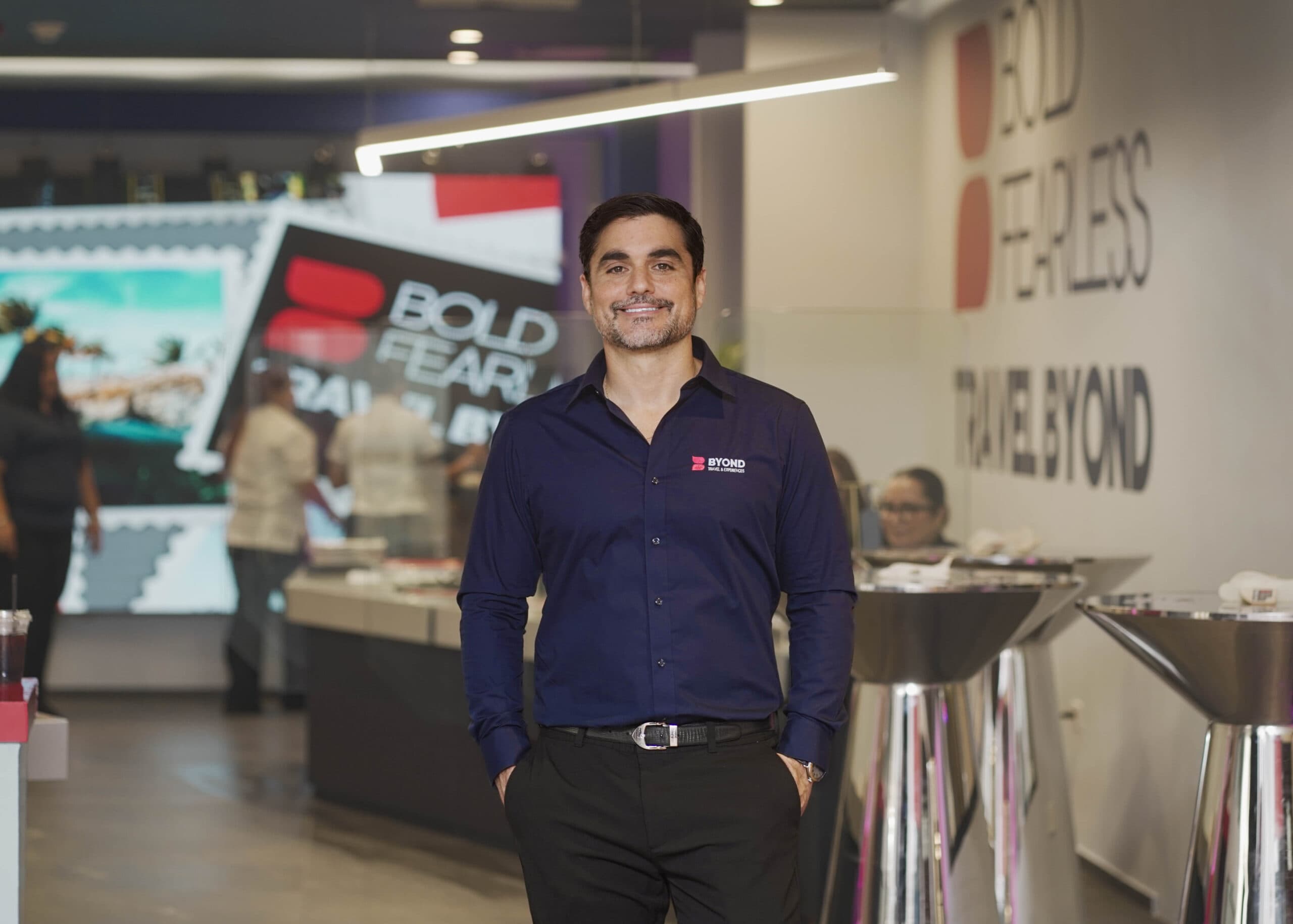
After 67 years, the Mediavilla family’s agency opens at Plaza Las Américas with a CRM, app, AI-assisted tools, as agencies worldwide use AI to keep travelers who increasingly plan with it themselves; coincides with dramatic growth of visitor economy
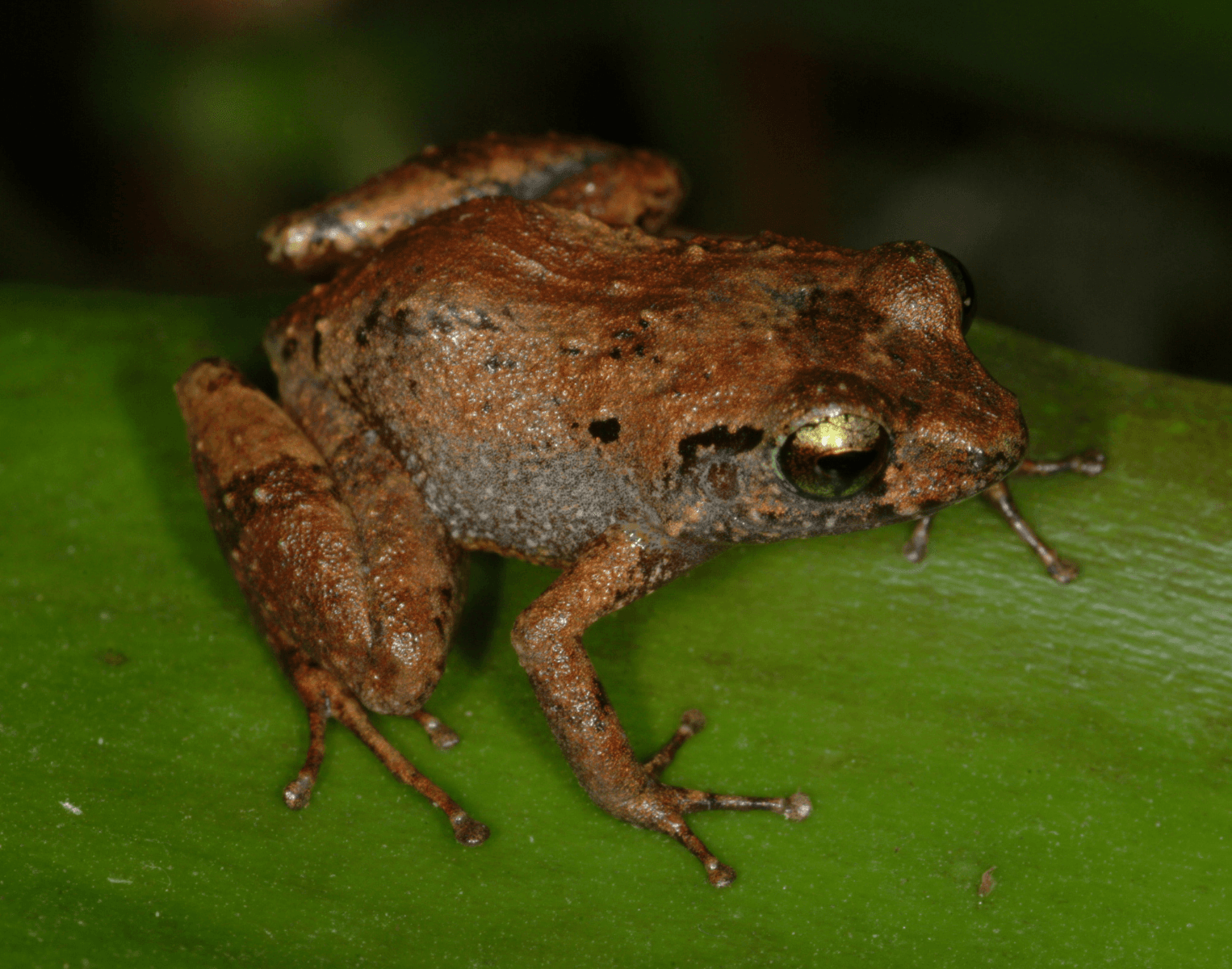
Guests who book Dec. 1-8 for stays through Oct. 2027 get perks and a contribution to Proyecto Coquí, as the island’s native frog and its declining populations become a tourism draw
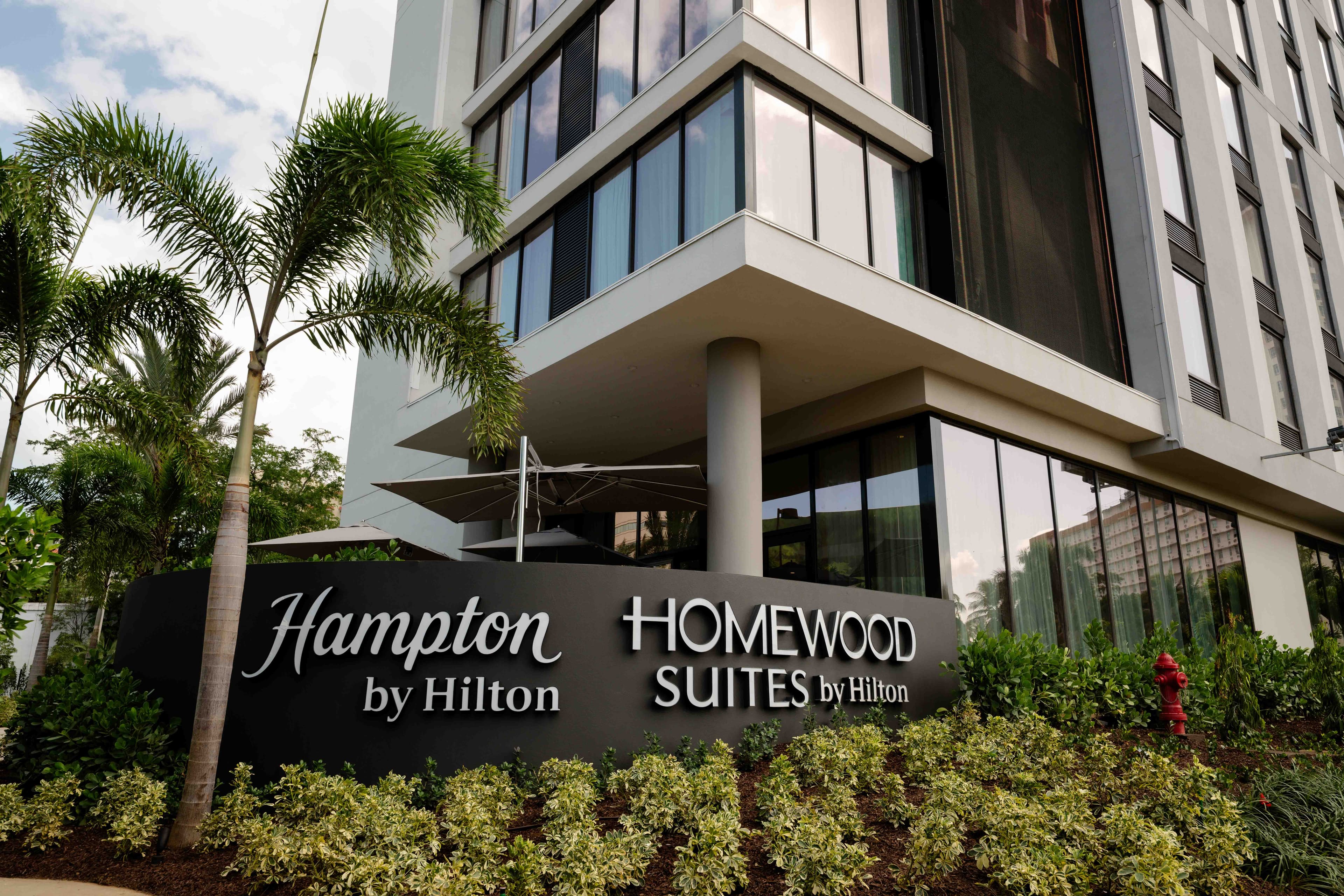
The $77 million, 257-room complex lifts the district’s inventory by 26.9% just as tourism reaches 126,000 jobs and nearly $8 billion in 2026 visitor spending