Guests who book Dec. 1-8 for stays through Oct. 2027 get perks and a contribution to Proyecto Coquí, as the island’s native frog and its declining populations become a tourism draw
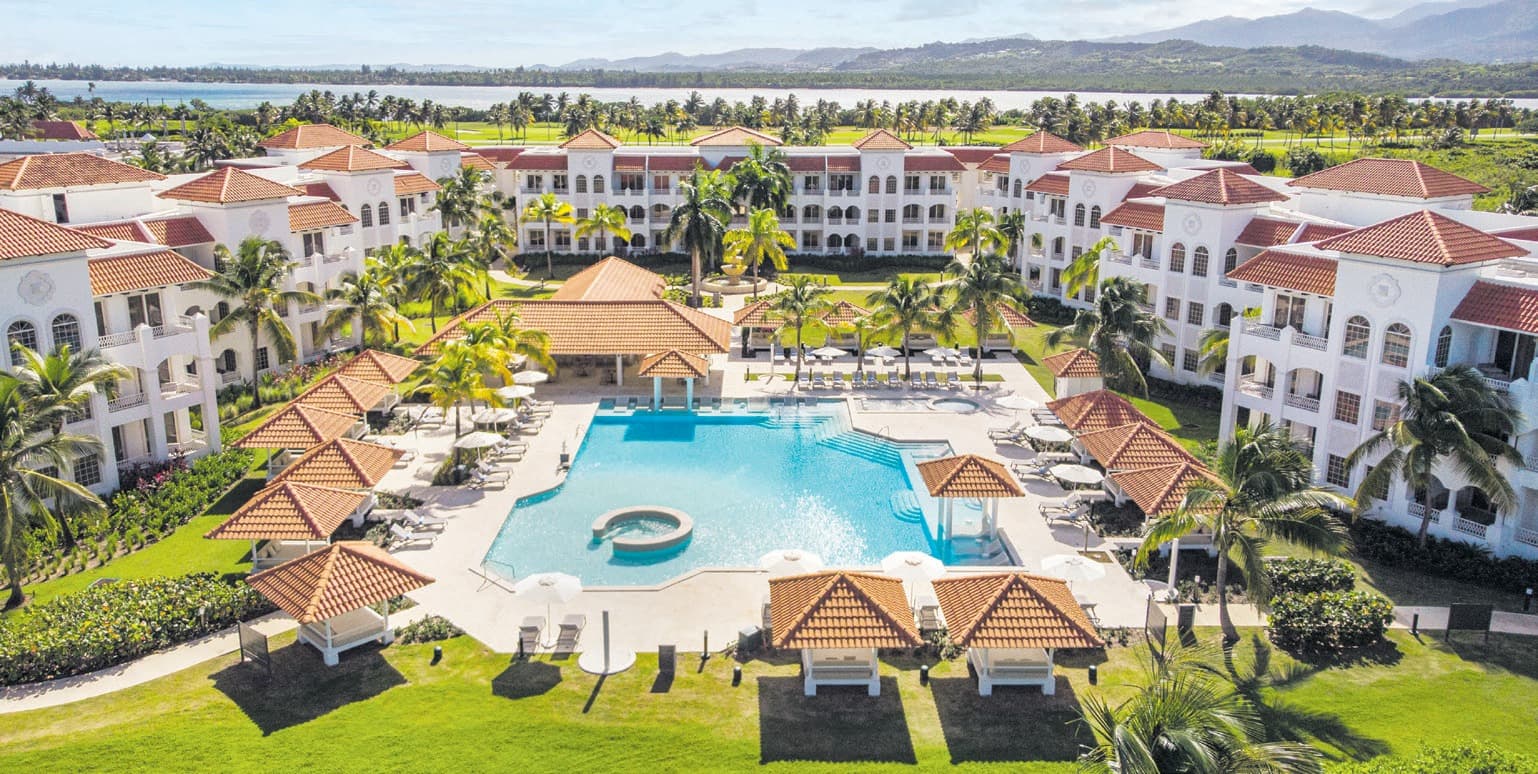
Condado Ocean Club, the San Juan hotel, is linking a Giving Tuesday promotion to the conservation of the coquí, Puerto Rico’s best-known native frog, in an initiative called Keep the Coquí Singing that pairs guest discounts with a contribution to Proyecto Coquí, a nonprofit dedicated to protecting the species.
The hotel said the initiative extends the spirit of Giving Tuesday, the global movement that promotes generosity and good deeds, and reflects its interest in combining the tourist experience with the conservation of Puerto Rico’s natural heritage.
It offers visitors a way to contribute to protecting the environment while they stay on the island, the hotel said.
The offer arrives as nature-based travel grows worldwide and as the coquí itself faces mounting pressure, a combination that makes the species both a marketing symbol and a conservation concern.
How the offer works
Guests who book between Dec. 1 and 8 for a stay between Dec. 1, 2026, and Oct. 31, 2027, will receive 30% off the room rate, 20% off a nighttime kayak experience on the Condado Lagoon and a welcome cocktail, according to the hotel.
Reservations for the package open Dec. 1 on the hotel’s website, and a promotional code is required.
The lodging and kayak offers are subject to availability and blackout dates and require advance reservation, the hotel said. The hotel’s materials say the booking also makes a contribution to Proyecto Coquí.
Dec. 1 is Giving Tuesday this year, the Tuesday after Thanksgiving, when charities and businesses traditionally run fundraising and goodwill campaigns.
The coquí and the people protecting it
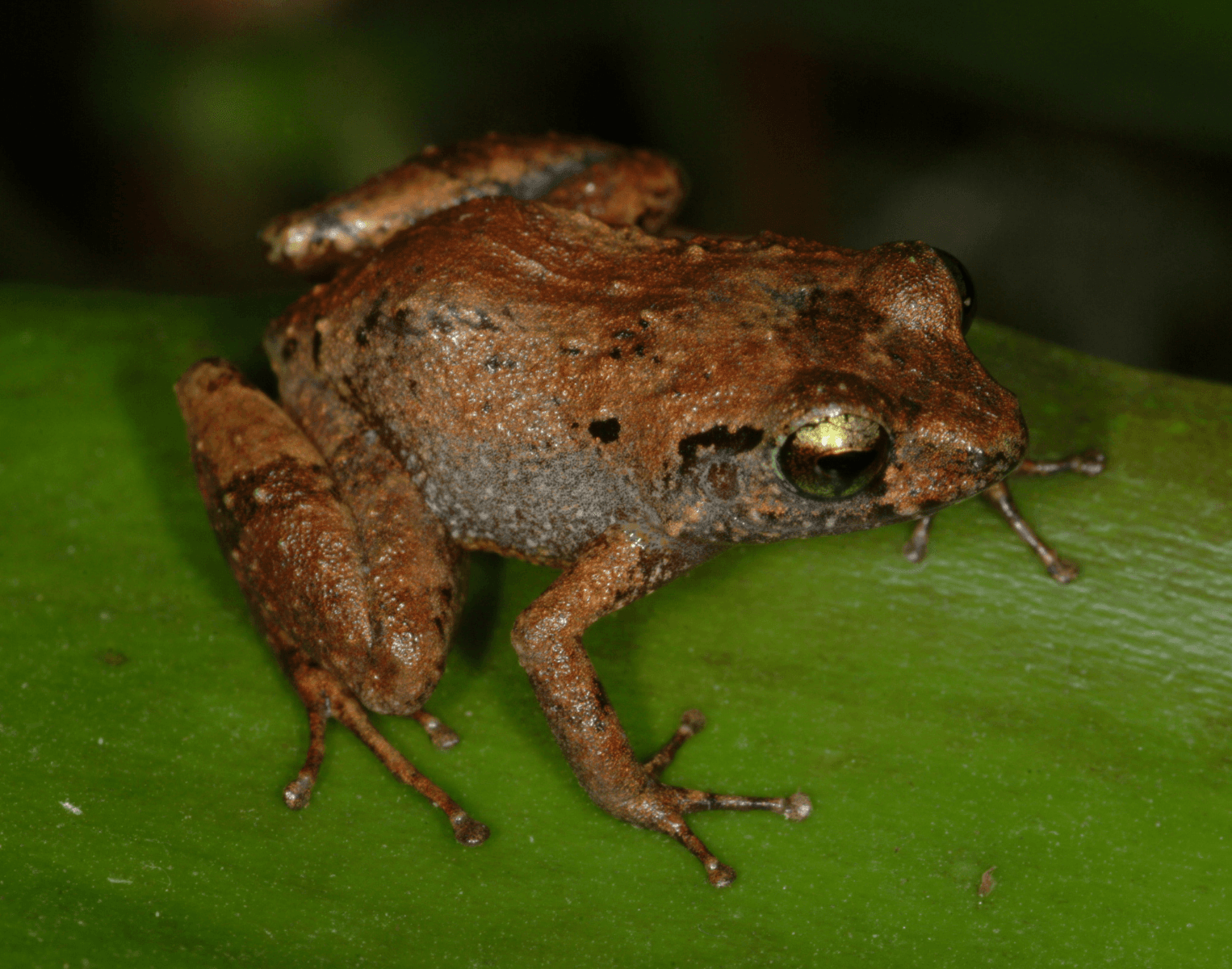
The coquí is a tiny tree frog whose name imitates the call of the males, who start singing at sunset. Puerto Rico once had 17 coquí species and now has 14, according to Metro, a Caribbean Business sister newspaper, which cited biologist Rafael Joglar of the University of Puerto Rico in Río Piedras.
Three species are considered extinct (the palmeado, the eneida and the dorado) and four more are at risk, and two species have disappeared from El Yunque National Forest.
Most of the species found in El Yunque are endemic to Puerto Rico, according to the U.S. Forest Service, which manages the rainforest.
The common coquí, the one that sings in backyards, occupies every ecological zone on the island, but its populations are declining, which surprised researchers.
Joglar attributes the losses to climate change, deforestation, a fungus that attacks amphibian skin, heat waves and invasive species.
The common coquí has also been introduced to Florida, Hawaii and other Caribbean islands.
Proyecto Coquí is a nonprofit founded by Joglar that focuses on research, habitat protection and environmental education. Joglar told Metro in 2024 that the state of the island’s coquís was “muy desalentador,” or very discouraging.
Why nature travel is a business
The hotel’s bet reflects a global shift in how people travel. The Adventure Travel Trade Association, a trade group, estimates that the global outbound adventure travel market reached $1.16 trillion in 2024, up from $683 billion in 2017 and growing about 8% a year, and that 67% of international outbound travelers are open to adventure.
The measure is broad and includes cultural and outdoor travel, not only wildlife viewing, and only 12% of those travelers fall in the group the association calls Nature Enthusiasts.
The same research suggests why destinations court these visitors. Adventure travelers spend about $265 per person per night on trips of about 11 days, and the association says 76% of that spending stays in destination communities.
The Caribbean ranks consistently high in interest among North American outbound adventure travelers, according to the association’s March 2026 analysis.
For Puerto Rico, the coquí is an unusually portable symbol of that appeal. The hotel’s campaign name echoes Keep the Island Singing, a water-stewardship campaign Discover Puerto Rico launched in August with the frog as its emblem, according to published reports.