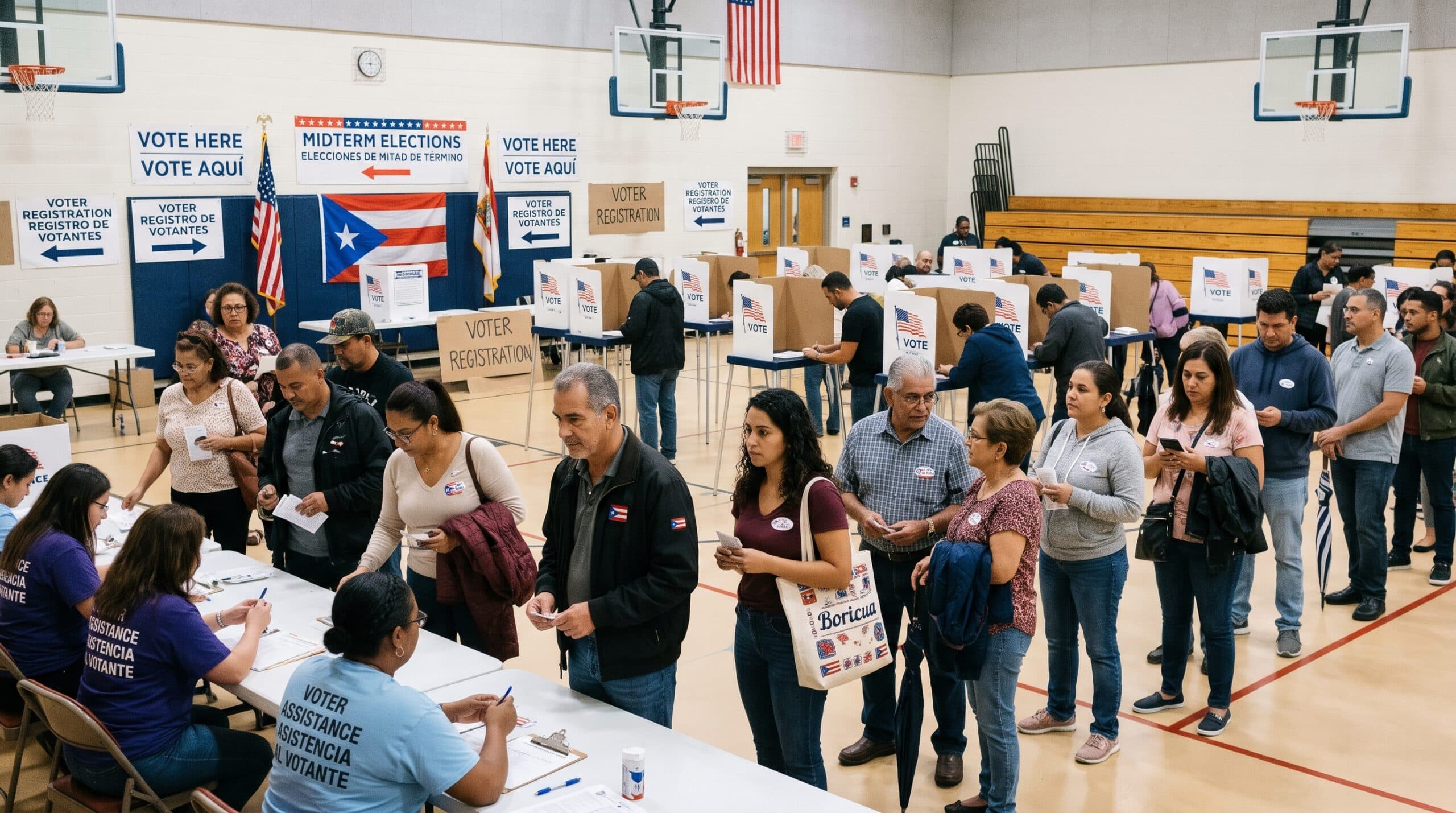
Part of a post-election series today exploring the impact on business in Puerto Rico.
Puerto Rico’s Medicaid program heads into 2027 with its funding cliff unresolved. The federal spending law enacted in December 2022 set the island’s cap at $3.825 billion for fiscal 2027 with a 76% federal match, according to KFF Health News.
Without new legislation by Sept. 30, the match falls to 55% and federal funding to less than $500 million a year, a cut of close to 90%, according to Metro, a Caribbean Business sister publication.
The stakes reach every employer. Plan Vital covers about 40% of residents, and the Health Insurance Administration of Puerto Rico (ASES by its Spanish acronym) estimates that sustaining it locally would cost $4.85 billion in fiscal 2028, or 35.4% of the General Fund. Hospitals, insurers and providers would absorb the shock first, followed by nearly every company that depends on general commerce on the island.
What the new majority changes
Under Republican control, Energy and Commerce Chairman Brett Guthrie promised a fix without a date, saying in September that “We’re going to find a solution. We just haven’t found it yet.”
In January the gavel is expected to pass to Frank Pallone, who as chairman in 2021 announced the bipartisan deal that set the current 76% match. Democrats also hold the Territories Health Equity Act, cosponsored by Resident Commissioner Pablo José Hernández, which would remove the cap altogether.
Parity is the island’s opening bid. At a July 22 congressional briefing led by the Puerto Rico Federal Affairs Administration, the government asked for $4.4 billion starting in fiscal 2028, growing 5% a year, and the 83% match a state formula would yield.
With 60 Senate votes and a presidential signature required, a multiyear extension near current levels is the likelier landing.
How the year is likely to unfold
Timing works against speed. The 2021 deal Pallone announced did not become law until a December 2022 omnibus, KFF’s legislative history shows. Sept. 30 is also the end of the federal fiscal year, so the fix will most likely ride on the fiscal 2028 spending bill or a stopgap, with hearings in spring and the real bargaining in late summer.
That calendar shapes the lobbying map. In the House, the path runs through Pallone’s committee and Florida’s Gus Bilirakis, a Republican who joined the July briefing and co-wrote a 2021 extension with Darren Soto. In the Senate, it runs through Ron Wyden at Finance and the appropriators who write the stopgap.
Gov. Jenniffer González-Colón’s ties to the White House matter for the signature. Industry leaders have urged the government to publish a contingency plan, as insurers and providers planning for 2028 cannot wait for September.
The odds of avoiding the full cliff improved on Nov. 3. The odds of a permanent fix, and of an early one, remains a pending item.