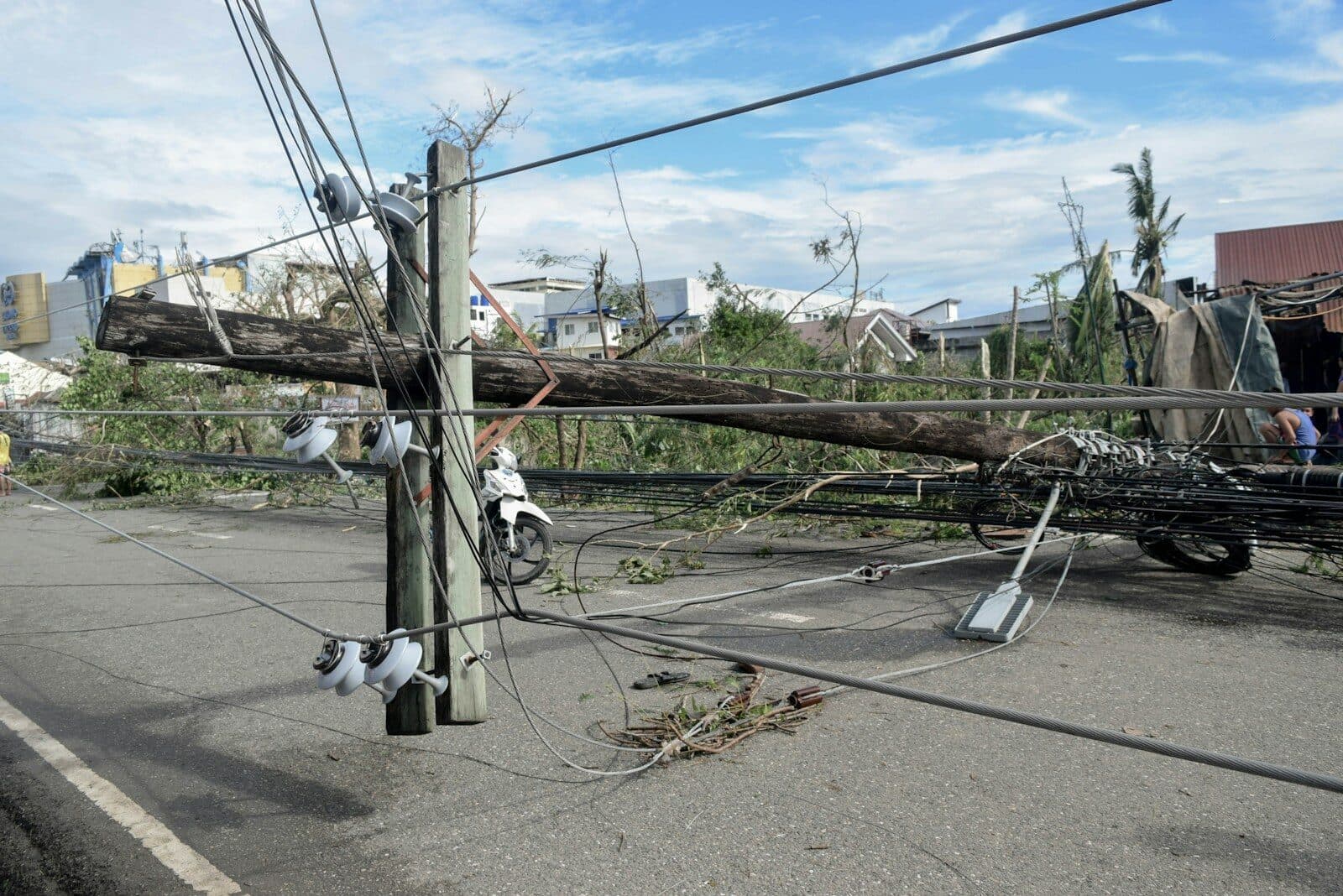
Part of a post-election series today exploring the impact on business in Puerto Rico.
Nine years after Hurricane Maria, most of the money is still waiting. FEMA had obligated $39.4 billion in federal funds for Puerto Rico’s disasters by March 31 but disbursed only $12.5 billion, or 32%, according to the latest congressional status report from the Central Office for Recovery, Reconstruction and Resiliency (COR3). For Maria’s permanent rebuilding, the share paid out is 18%.
The pace is slowing. Permanent-work payments peaked at $1.86 billion in 2024, fell to $886 million in 2025 and totaled $86 million in the first quarter of 2026, COR3 data show.
On the grid, the Government Accountability Office found $10.7 billion of $14.3 billion in federal funds undisbursed. HUD’s $20.2 billion in block grants runs on a separate track.
Washington or San Juan? How to tell
The simplest test is the place. It can get complicated, so at the risk of oversimplifying, the best explanation is that obligation is a federal act: FEMA reviews, prices and approves a project. Disbursement is mostly reimbursement, so it follows local work being procured, built and documented. Money stuck before obligation points to Washington; money stuck after it usually points home.
On the federal side, the GAO cites environmental and historic reviews that add months or years, FEMA cost-estimate approvals, staff turnover and a 2025 rule requiring the Homeland Security secretary to approve awards above $100,000, rescinded only in April. Project-by-project deadline extensions add friction.
On the local side, the GAO and COR3 point to the Puerto Rico Electric Power Authority’s finances, thin liquidity among agencies and municipalities, layered reviews by the Energy Bureau and the oversight board, and shortages of engineers and skilled labor. Those require lobbying in San Juan, not Washington.
What the new Dem majority can do
Bennie Thompson, expected to chair House Homeland Security, which oversees FEMA, filed the Puerto Rico Disaster Recovery Completion Act in September with Resident Commissioner Pablo José Hernández and Nellie Pou. It would extend permanent-work deadlines to 2035 and require annual reports to Congress on delays. Jared Huffman, in line for Natural Resources, called the GAO findings a broken federal promise.
Expect oversight hearings, appropriations language that locks in the review flexibilities the GAO urged FEMA to use and pressure on FEMA staffing. A deadline extension costs little and could draw Republicans from Florida, home to the largest Puerto Rican community in the states.
If Democrats hold Alaska and Mississippi, they will have 56 Senate seats, four short of the 60 needed to overcome a filibuster, and four Republican votes are attainable on an issue like this.
Every dollar released becomes contracts, payroll and materials on the island. Federal action can clear the approval path, but disbursement will accelerate only as fast as Puerto Rico can build, bill and document.