Oil hit $126 a barrel during the 110-day conflict; experts warn energy-driven inflation could linger well beyond the ceasefire.
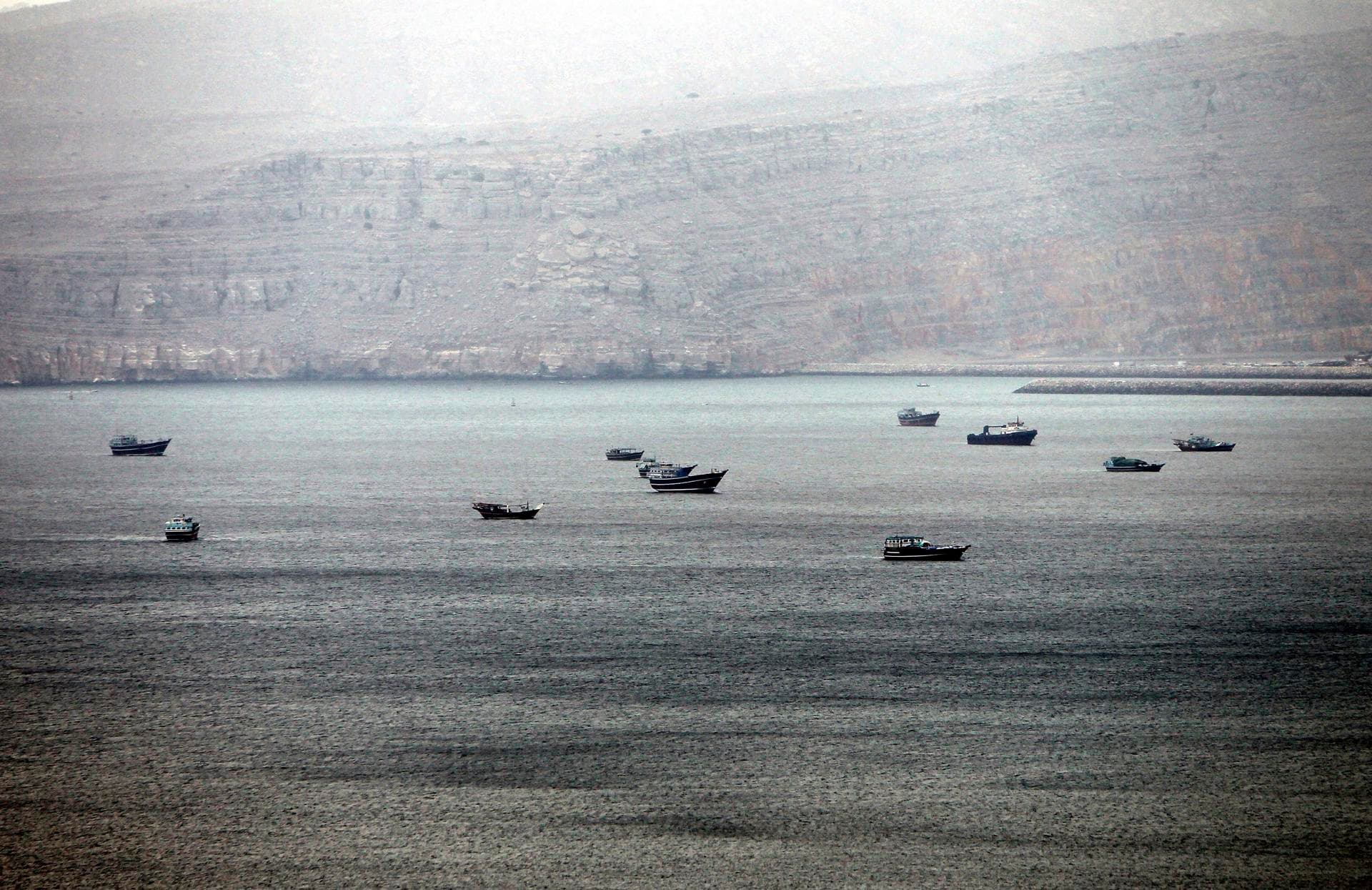
Madrid (EFE)— The Strait of Hormuz — the strategic chokepoint through which nearly 20% of the world’s oil once flowed — is expected to reopen on Friday, as Brent crude prices have climbed nearly 10% since the start of the Middle East conflict 110 days ago.
This week, oil prices extended their decline following the confirmation of a peace agreement. On Thursday, Brent closed at $79.55 per barrel. The previous Friday it had already fallen below $90 when the possibility of a deal first emerged.
The blockade of Hormuz triggered a sharp reaction on the first trading day, with Brent bouncing more than 7% — from $72.48 to $77.74 per barrel. By the end of the first week of the conflict, prices had surged nearly 28%, surpassing $90. Within the first month, the gain exceeded 55%, with Brent reaching $112.57.
The benchmark at one point hit $126.41 on April 30. Despite those peaks, Nicolás López, head of equity analysis at Singular Bank, said oil “never entered panic mode,” as markets held onto expectations that a U.S.-Iran agreement would eventually materialize.
Prices subsequently stabilized in the $90–$110 range thanks to a series of offsetting measures, including strategic reserve releases by several countries, the rerouting of shipments through the Red Sea, increased production from the United States, Kazakhstan and Brazil, and reduced demand from China.
López cautioned, however, that “Hormuz will remain relevant,” as some of those compensating factors — particularly the drop in Chinese purchases — are not sustainable over the long term.
Despite restrictions on maritime traffic through the strait throughout the conflict, Juan Carlos Martínez Lázaro, economics professor at IE University, noted that crude prices behaved “lower than one might have expected, given the magnitude, duration and location of the conflict.”
With Brent having risen more than 74% at its peak and natural gas more than doubling, experts agree that the primary economic legacy of the war is the surge in energy prices — and the inflation that follows.
In the eurozone, the consumer price index stood at 3.2% in May, above the European Central Bank’s 2% target, prompting the ECB to raise interest rates to 2.25% at its June meeting. In the United States, inflation climbed to 4.2% in May.
“A potential monetary tightening to bring inflation back under control is the most significant risk factor markets face,” López said, adding that the key unknown is whether the energy shock has triggered second-round effects — meaning whether higher energy costs have passed through to final consumer prices.
Martínez Lázaro also flagged food prices, which have risen not only because of higher transportation costs but also due to the fertilizer crisis, which “could have a more delayed impact on some prices.” In his view, inflation levels will take longer than expected to return to pre-conflict levels.