The Senate has taken a more bipartisan approach to addressing cost-of-living issues, especially the cost of housing
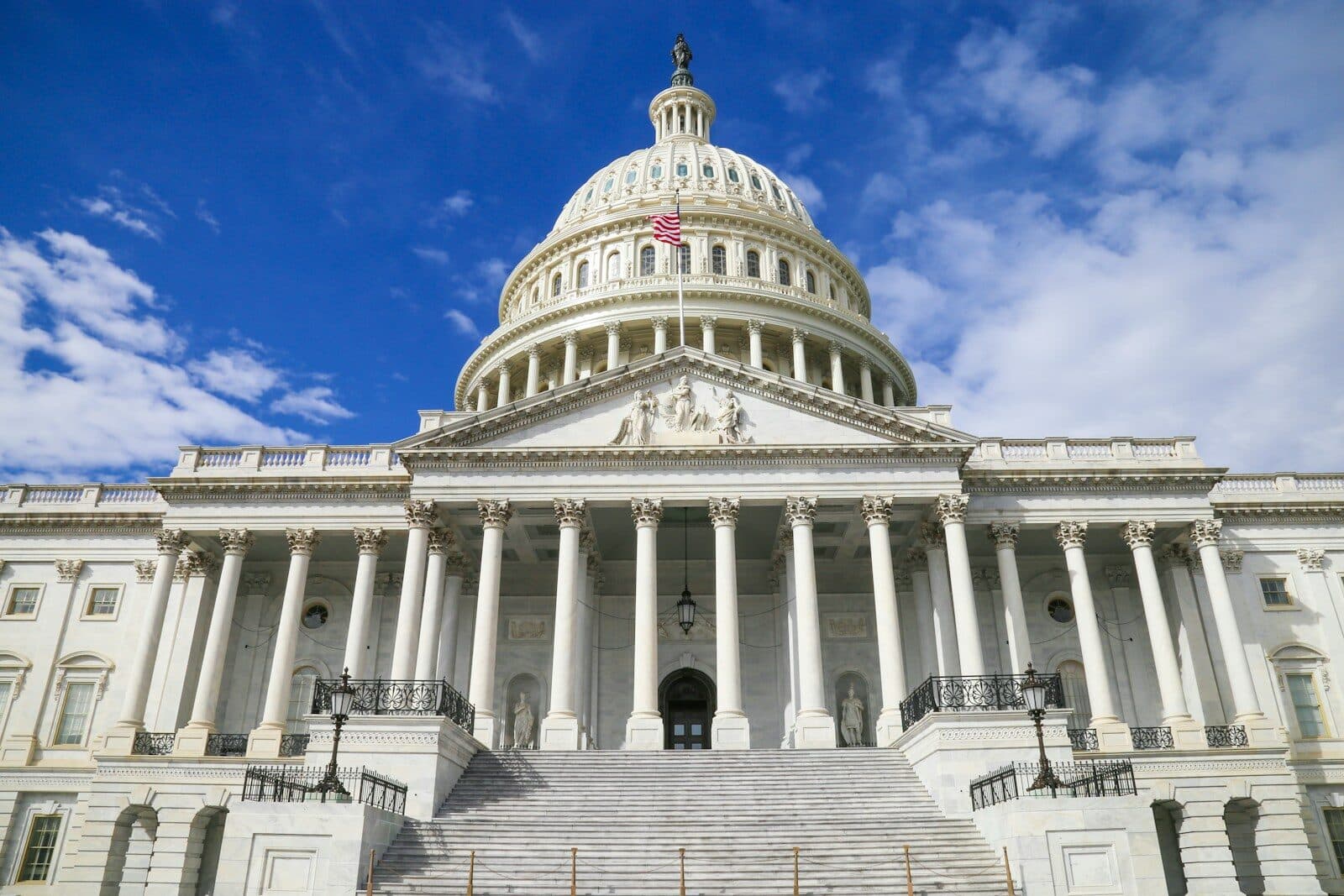
The United States Senate began the week by passing the 21st Century ROAD to Housing bill or ROAD Act, which aims to increase the inventory of affordable housing. Additionally, the Senate Banking, Housing, and Urban Development Committee held hearings on affordability, where the cost of housing was a central topic.
In contrast to the ongoing tensions surrounding discussions about regulations on cryptocurrencies and other digital assets, federal senators adopted a more collaborative tone on the issue of affordability.
“Our 21st Century ROAD to Housing Act just passed the Senate by history margins, 85 to four yesterday. Almost nothing happens in the Senate 85 to four. We cut red tape, unlocking housing supply and preserving local control,” celebrated the Chairman of the Banking Committee, Sen. Tim Scott, during his opening remarks.
The Ranking Banking Committee Member, Sen. Elizabeth Warren, also began her remarks at the Senate hearing by congratulating the committee chairman on the passage of the ROAD Act.
However, the moment of bipartisanship was short-lived. Although describing any allegations of an affordability crisis as “a hoax,” Trump had signaled his support for the bill prior to the Senate’s vote. There was even a signing ceremony scheduled for Wednesday afternoon. However, the President announced that he would delay the signing of the ROAD Act until Congress Passed the SAVE Act, which establishes more stringent voting regulation.
“Today’s Housing News Conference and Signing is hereby cancelled until such time as we pass the desperately needed SAVE AMERICA ACT, which I consider to be a National Emergency,” Trump announced via his social media network Truth Social.
While Congress is in session, once the Legislative Branch sends the bill to the president’s desk, even if the president doesn’t sign it becomes law after 10 days, unless the bill is expressly vetoed. If it’s vetoed, it would require a two-thirds majority, or supermajority on both houses to override the veto.
While Congress is in full recess or in parliamentary parlance, sine die, the veto works the other way around. If Trump doesn’t sign the bill within 10 days, it would be considered vetoed. This process is called pocket veto.
Congress is expected to go on recess on Friday, June 26, however, most often than not the Legislative Branch doesn’t enact a sine die recess, instead leaving some junior congressmembers clocking in at the Hill. It remains to be seen if Friday’s recess will allow for a pocket veto or not.
The ROAD Act is a combination of bills from the House and Senate. Among the main aspects of the measure are to incentivize housing construction, provide assistance to homeowners to make repairs and limit how much housing inventory, especially single-family homes, investment companies can purchase.
Although Scott defined the bill as one that maintains local control, the ROAD Act also seeks to influence state and local governments by creating incentives for states to change zoning and land use restrictions, as well as reduce local regulations for housing construction.
As for the hearing on “the affordability agenda,” the Consumer Bankers Association, which covers banks serving individuals, the National Association of Realtors, the Digital Chamber, an organization that promotes cryptocurrencies, and the Century Foundation, a progressive organization that researches economic issues, were invited.
Representing the Century Foundation was its president, Julie Margetta Morgan, who painted a bleak picture of the state of the nation. According to the foundation’s studies, the war with Iran has cost consumers around $100 million. Morgan also indicated that 25 percent of the population surveyed had skipped meals due to lack of money, and a third had avoided or delayed medical care due to lack of money.
Senator Scott even acknowledged that he knows that in his state of South Carolina some people choose to skip meals to afford medical treatments.
Although there was suspicion from the Democratic sector as to why the topic of cryptocurrencies was included in the discussion, Cody Carbone argued that the cost of making transactions in traditional banking is one that affects low-income families, especially immigrants who send remittances to their countries of origin.
“For too long, American consumers and small businesses have been forced to operate on
financial rails that are slow, expensive, and often difficult to access. These costs rarely appear
as a single line item on a receipt, but they show up everywhere,” Carbone argued that moving these transactions to the blockchain, the technology that enables cryptocurrencies, would reduce their costs.
While the Senate passed the ROAD Act with bipartisan support and the tone of the affordability hearing was less tense than the cryptocurrency discussions, there were also several tense moments that showed that while Senators may agree on the existence of the problem, they lack common ground on solutions.