The world’s most critical oil chokepoint is slowly reopening, but the damage to an island that imports every drop of its fuel is already done.
San Juan/Cairo — Signs of life are returning to the Strait of Hormuz. On Thursday, 25 merchant vessels crossed the strategic waterway — the highest daily count since a brief, short-lived reopening on April 18 — as a U.S.-Iran memorandum of understanding formally went into effect, ending a conflict that blockaded the passage through which one-fifth of the world’s oil and liquefied natural gas once flowed freely.
But for Puerto Rico, which imports virtually every barrel of petroleum it consumes, the relief may come too late to undo the economic pressure that has quietly built over the 110 days of the conflict.
The numbers from maritime intelligence firms paint a picture of a waterway still finding its footing. AXSMarine, which tracks vessel movements via Automatic Identification System data, said Thursday’s 25 transits were more than five times the daily average recorded during the first ten days of June. Since early March, only 846 individual crossings have been verified — an average of 7.6 per day — compared to roughly 110 daily commercial crossings before the war began. Kpler, a separate maritime analytics firm, confirmed the same count and noted the traffic moved in both directions, with most vessels following established Iranian routes. Five sanctioned ships were among those crossing, and no physical attacks have been confirmed since May 10.
The recovery, however tentative, matters enormously to global energy markets. Brent crude, the international benchmark, closed Thursday at $79.55 per barrel — down sharply from a peak of $126.41 reached April 30, but still nearly 10% above pre-conflict levels. The conflict’s early weeks saw Brent surge more than 28% in its first week and more than 55% in its first month.
Uncertainty Persists
The path to a full reopening remains complicated. Iran’s newly created Persian Gulf Strait Authority (PGSA) issued a notice Friday reminding operators that vessels wishing to cross must still notify the Islamic Republic and obtain permission. Scheduled talks between the United States, Iran and mediators Pakistan and Qatar — planned for Friday in Switzerland — were canceled, adding to the uncertainty. Marine mines planted during the conflict remain a live concern.
Intertanko, the London-based International Association of Independent Tanker Owners, called Friday for urgent clarity on the practical measures that will ensure safe transit. Its director, Phillip Belcher, noted that while the memorandum establishes that no tolls will be charged during the first 60 days, “the future is uncertain and will be determined by Iran following dialogue with Oman and talks with the Gulf states.” The group said clearing mines must be the top priority before a clear, unambiguous message can be sent to the shipping industry.
According to Lloyd’s List, around 550 merchant vessels — including 160 tankers, 200 bulk carriers, 60 container ships and 10 vehicle carriers — are positioned and waiting to exit the Persian Gulf once conditions allow.
Puerto Rico: Every Drop Imported, Every Price Increase Absorbed
Few places outside the Persian Gulf itself feel oil price shocks as acutely as Puerto Rico. The island imports essentially all of its petroleum and has long paid among the highest electricity rates in the Western Hemisphere. According to data published by CarbonMinus, Puerto Rico’s industrial electricity rate stood at 24.42 cents per kilowatt-hour in July 2025 — more than double the mainland U.S. average of 9.29 cents per kWh — creating an estimated annual energy cost disadvantage of more than $1.5 million for a mid-sized pharmaceutical manufacturer compared to a mainland competitor.
That matters because pharmaceuticals are not a peripheral part of Puerto Rico’s economy. According to the Puerto Rico Pharmaceutical Industry Report 2025 published by PharmaboardRoom, the sector contributes approximately 30% of the island’s GDP and accounts for roughly 74% of total exports, making it the single most important driver of economic activity on the island.
The Department of Economic Development and Commerce (DDEC) flagged the oil price risk explicitly in its End of Year 2025 Economic Report. The agency projected 0.4% GDP growth for Puerto Rico under a baseline scenario that assumed oil prices would not remain elevated for an extended period. But it warned that if oil stayed above $100 per barrel for several weeks or months, the projection would shift toward a contraction scenario — closer to negative 1.6% growth — as pressure built on electricity costs, transportation, food, freight and overall inflation.
Brent remained above $100 for most of April and May.
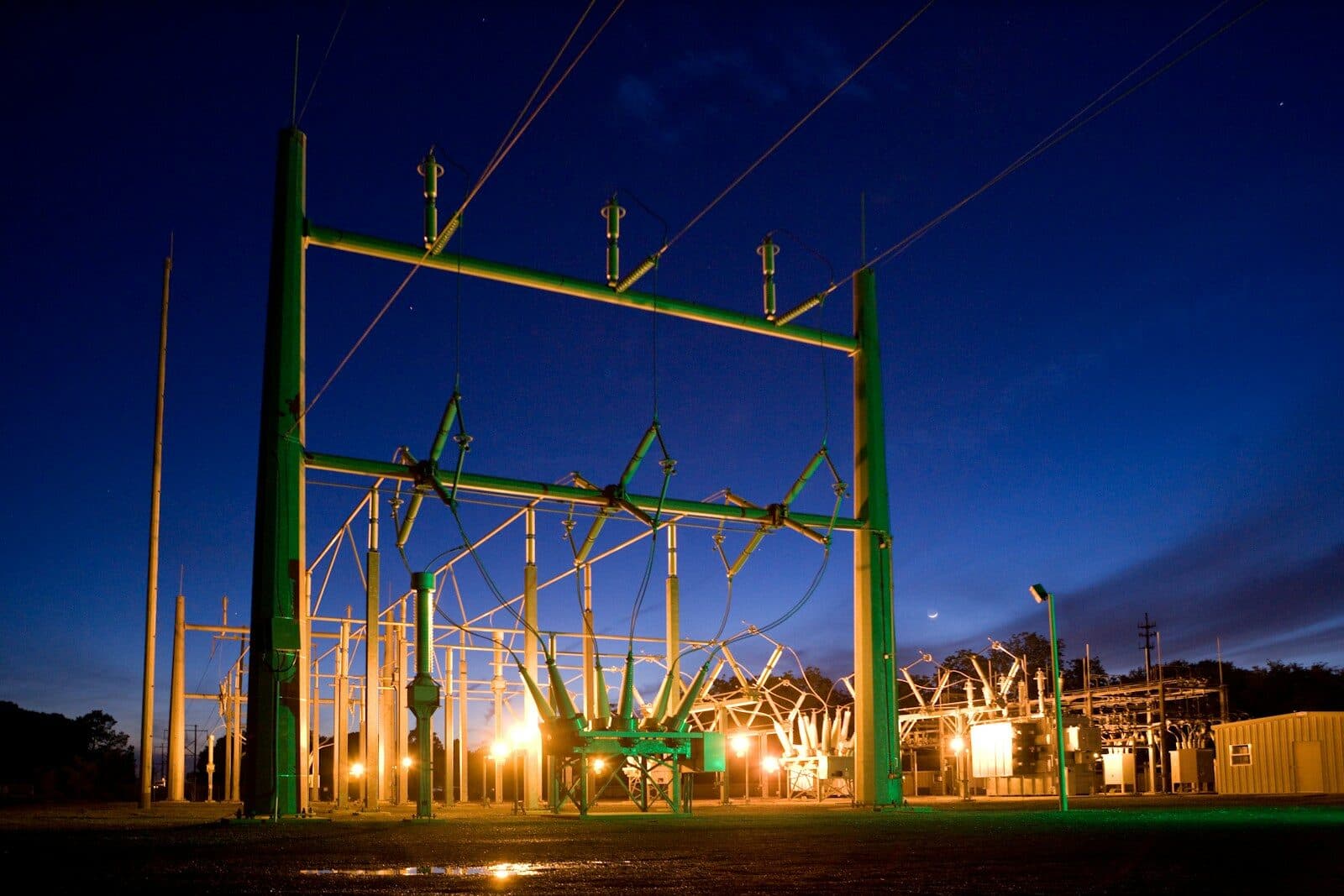
Puerto Rico’s economic vulnerability to energy prices is structural. The island’s electric grid, operated by LUMA Energy and generator Genera PR, continues to rely heavily on imported petroleum and natural gas for power generation, a dependency that successive administrations have pledged to reduce through a renewable energy transition that remains far from complete. Renewables accounted for roughly 6% of generation as recently as 2022, according to the U.S. Energy Information Administration, against a statutory goal of 100% renewable energy by 2050.
What Comes Next
Under the terms of the memorandum, the United States and Iran have 60 days to finalize a comprehensive peace agreement covering Iran’s nuclear program, sanctions relief and the release of billions in frozen Iranian assets. The deal also calls for a cessation of hostilities in Lebanon, where Israel continues military operations against Hezbollah.
Whether those talks produce a durable agreement — and whether Brent can sustain its retreat below $80 — will determine how much of the damage to Puerto Rico’s economy can be unwound, and how quickly.