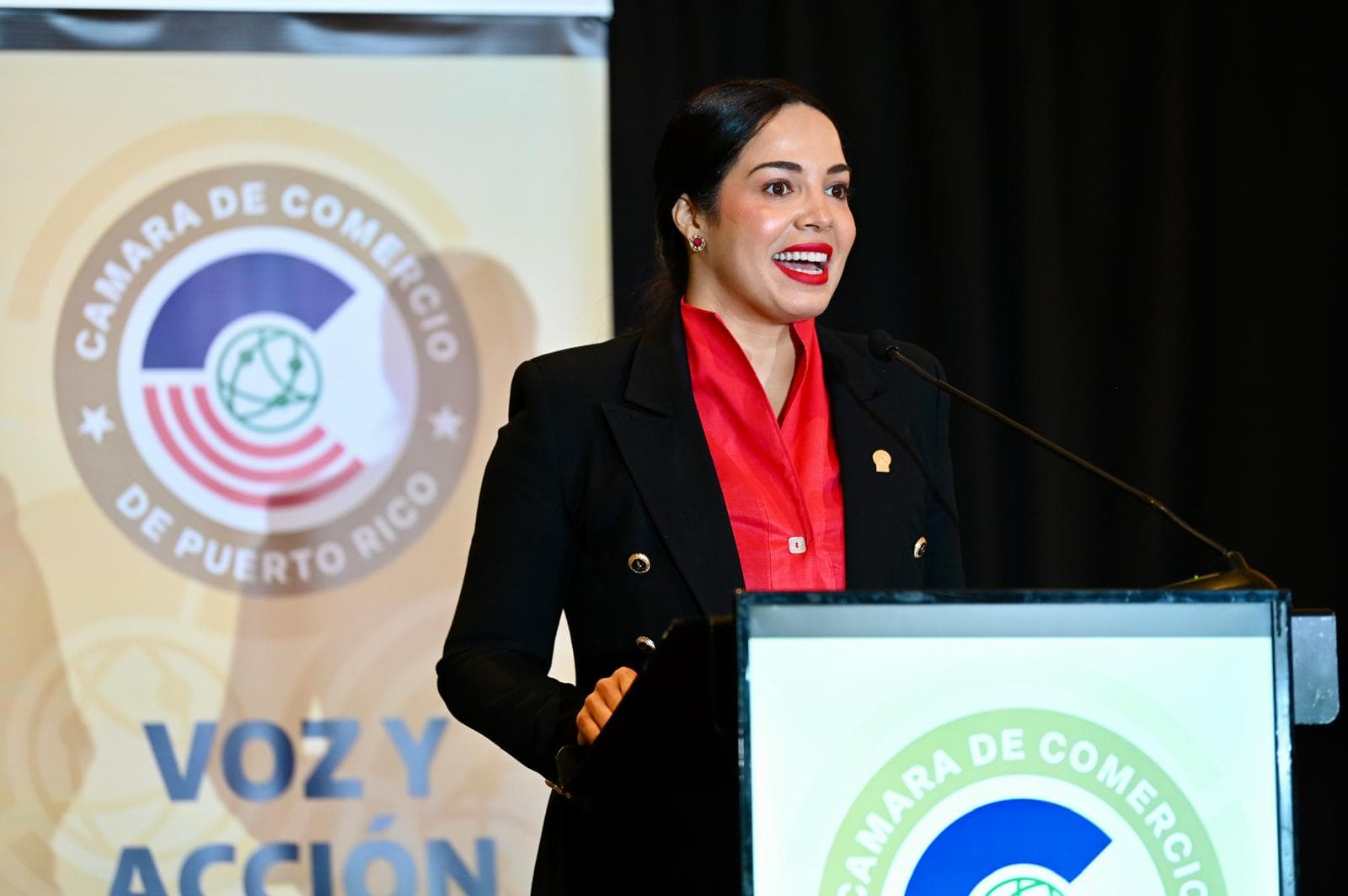
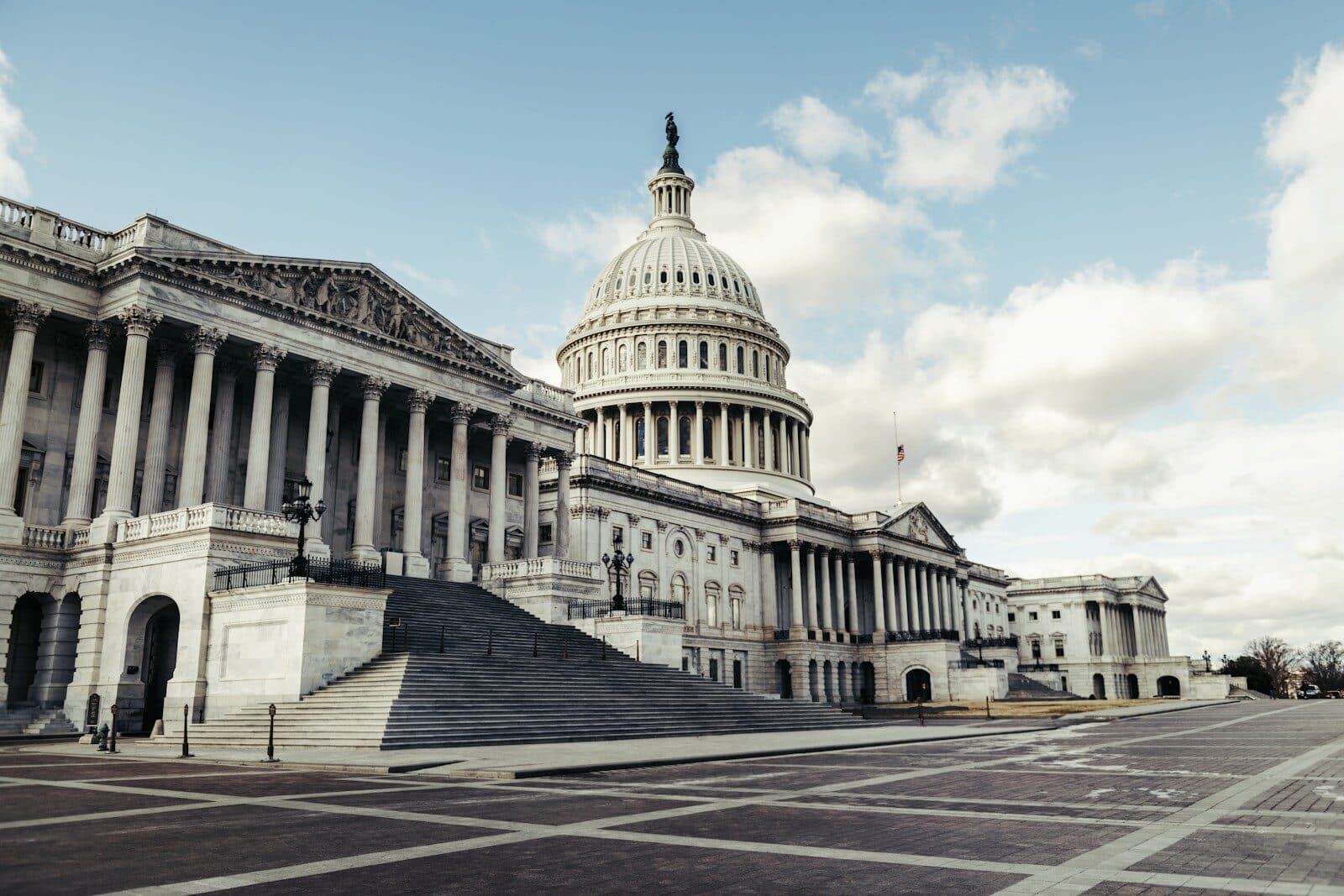
San Juan- The Puerto Rico Chamber of Commerce (PRCC) along with other business associations headed to Washington D.C. on June 23 to push discussions around increased healthcare funding, and the energy grid, including the bankruptcy of the Puerto Rico Electric Power Authority (Prepa). The initiative “Puerto Rico is Open for Business forum” was created by […]
San Juan- The Puerto Rico Chamber of Commerce (PRCC) along with other business associations headed to Washington D.C. on June 23 to push discussions around increased healthcare funding, and the energy grid, including the bankruptcy of the Puerto Rico Electric Power Authority (Prepa).
The initiative “Puerto Rico is Open for Business forum” was created by the Federal Affairs Chambers Educational Series (FACES), a committee within the Chamber of Commerce, focused on advancing Puerto Rico’s private sector’s agenda in Washington. For this second iteration, the PRCC is joined by the Puerto Rico Manufacturers Association (PRMA) and the Certified Public Accountants Association (CPAA) and they expect to meet with congressmembers, staffers, as well as think tanks and other influential entities.
“[FACES] was born right after Promesa passed. I believe that Promesa made it crystal clear in Puerto Rico where the most important decisions about the island are made,” said José “Che” Julio Aparicio Lespina, incoming president of the PRCC, alluding to the Puerto Rico Oversight, Management and Economic Stability Act, which created the Financial Oversight and Management Board.
The president of the PRMA, Rafael Vélez Domínguez, explained that one of the reasons to go as a joint unit is to have a joint narrative but also to not dilute the focus on several issues, instead focusing on the aforementioned healthcare and energy, as well as reshoring and global minimum tax.
Additionally, despite enacting major legislation that affects Puerto Rico, sitting PRCC president Margaret Ramírez Báez said that various “congressmembers don’t have Puerto Rico on their radar.” To address this reality, the business leaders argued that it is important for the business sector in Puerto Rico to show support for this initiative. At a minimum, that businesses become part of the list of supporters that FACES can show during meetings in Congress. But also, to those who have the opportunity, the heads of the association argued that they want to see more business people get on a plane and advocate alongside them.
For the business association, the island’s electrical grid is a several-prong issue. For one thing, Ramírez Báez argued that there won’t be improved economic development in the island if the infrastructure problems are not addressed.
“Here in Puerto Rico we are subjected to an infrastructure that is not keeping pace with Puerto Rico’s need to be competitive.” said Ramirez, and explained that the business leaders are advocating for a more streamlined process to apply and receive the funding for reconstructing and revitalizing the grid.
Despite highlighting the many flaws of the electric grid, Ramírez Báez argued that Puerto Rico shouldn’t go back to the previous system in which Prepa managed transmission and generation.
“We defended the model that Puerto Rico should— if it’s not LUMA or something else— but it should continue to take care of its electrical issues, in a way where responsibilities are shared with the private sector, because that’s the best way things work,” Ramírez said.
Beyond the bureaucratic issues, the PRCC incoming president and the PRMA president both argued that the situation won’t see material improvements until Prepa exits bankruptcy because because the Prepa bondholders want a clear picture of what is going to be their repayment before allowing major budget allocations to go to something else, such as diversifying the energy sources.
“We can’t continue talking about renewing our energy grid without ending the bankruptcy process. And the bankruptcy process, far from being handled here in Puerto Rico, the real battle with all energy players is in Congress and the Department of Energy,” Aparicio said.
Within the area of Health, the main focus is on improving funding for both the Vital Plan, which is financed by Medicaid, and Medicare Advantage, which serves the population over 65 years of age. Aparicio Lespina assured that better funding for the Vital Plan is the number one priority of this trip and of his presidency, which will begin next month.
Although the main goal is to achieve the same per-patient payment calculation as in the states, Aparicio explained that they are aiming, at a minimum, to ensure that Puerto Rico receives the same treatment as the Virgin Islands.
“That literally moves the needle for the country. We are talking about growth that would boost the economy on its own. It guarantees a year of positive growth in Puerto Rico if we achieve it,” said Aparicio, arguing that parity with the Virgin Islands would imply an additional $2.8 billion, or 3.3 percent of the Gross National Product.
The president of the CCPA, David Rodríguez Ortiz, insisted that greater funds, in addition to ensuring coverage for patients of the Vital Plan, would also allow addressing the problems of shortage of health professionals because hospitals could receive a better rate, which would lead to being able to pay doctors and nurses better.