TSA$10.0B
Caribbean Business

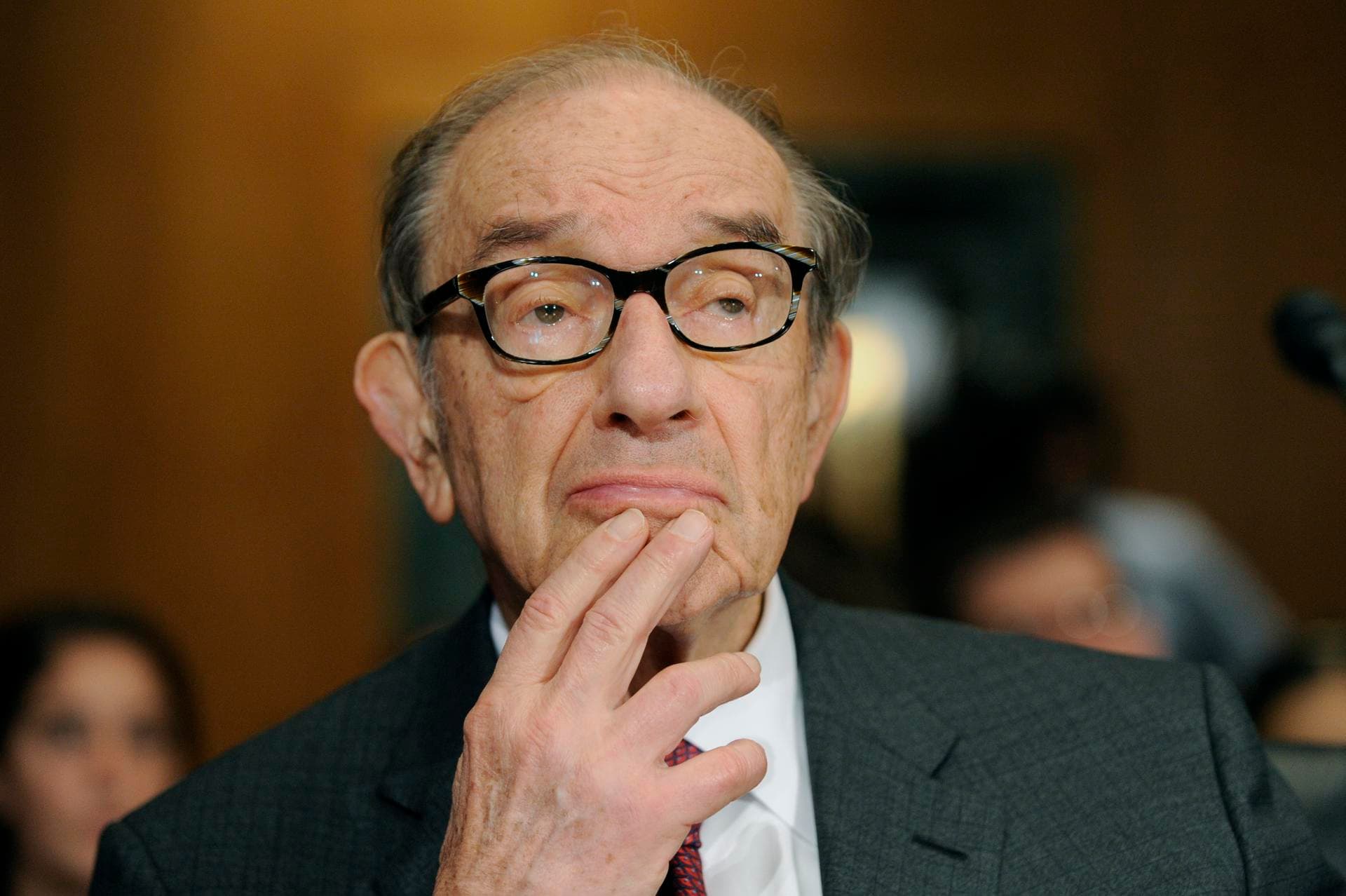
Alan Greenspan, Former Federal Reserve Chairman, Dies at 100

Known as “The Maestro,” Greenspan guided the economy through periods of growth, crisis and transformation, leaving a lasting impact on global finance.

Economy·By Caribbean Business Staff··2 min read
Alan Greenspan, Former Federal Reserve Chairman, Dies at 100

SAN JUAN — Alan Greenspan, the influential economist who led the U.S. Federal Reserve for nearly two decades and helped shape modern monetary policy, has died at the age of 100. His death was confirmed Monday by his wife, journalist Andrea Mitchell, who said he passed away at home from complications related to Parkinson’s disease.

Greenspan served as chairman of the Federal Reserve from 1987 to 2006 under four U.S. presidents, guiding the American economy through major events including the 1987 stock market crash, the 1990-91 recession, the Asian financial crisis, the dot-com boom and bust, and the aftermath of the Sept. 11, 2001 attacks.

Often referred to as “The Maestro,” Greenspan was widely credited with helping sustain one of the longest periods of economic expansion in U.S. history. His influence extended well beyond the United States, making him one of the most closely watched central bankers in the world.


However, his legacy later became the subject of debate following the 2008 global financial crisis, with critics arguing that his support for deregulation and prolonged periods of low interest rates contributed to conditions that fueled the collapse. Greenspan later acknowledged flaws in assumptions about financial institutions’ ability to self-regulate.

The Federal Reserve paid tribute to Greenspan, highlighting his analytical rigor and lasting contributions to monetary policy and the institution’s credibility. His nearly 19-year tenure remains one of the longest in the history of the U.S. central bank.

Related Articles

construction worker in hard hat on building frame
Economy

Sweeping Substitute Bill Proposes Complete Overhaul of Puerto Rico’s Permitting System

Puerto Rico is poised to dismantle and rebuild its permitting system under a sweeping substitute bill expected to advance this week, a far‑reaching overhaul that would fold more than 40 statutes into a new Planning and Permitting Code, reorganize key agencies, and sharply redefine how permits are reviewed, granted, and enforced. The measure, which merges […]

Eva Llorens