Beyond the Comfort Zone: Two Newcomers Building Businesses in Puerto Rico
In a new episode of El Blueprint, two entrepreneurs from outside the island describe the fears they faced, the local adjustments they made and why persistence mattered as much as their ideas
For Jonathan Braswell and Chance Millon, building a business in Puerto Rico has required more than spotting an opportunity. It has meant adapting to a new culture, navigating unfamiliar industries and accepting the uncertainty that comes with entrepreneurship.
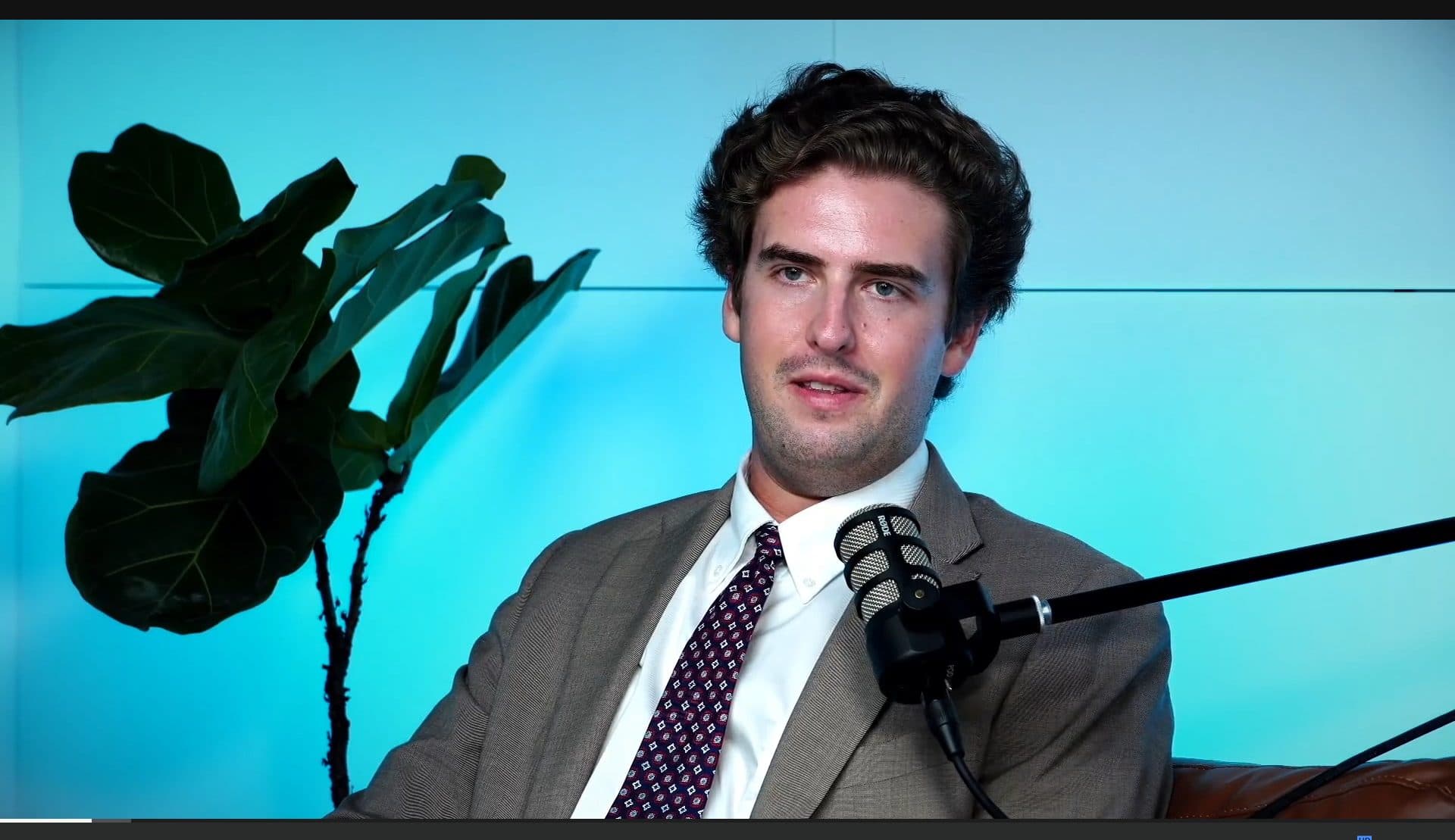
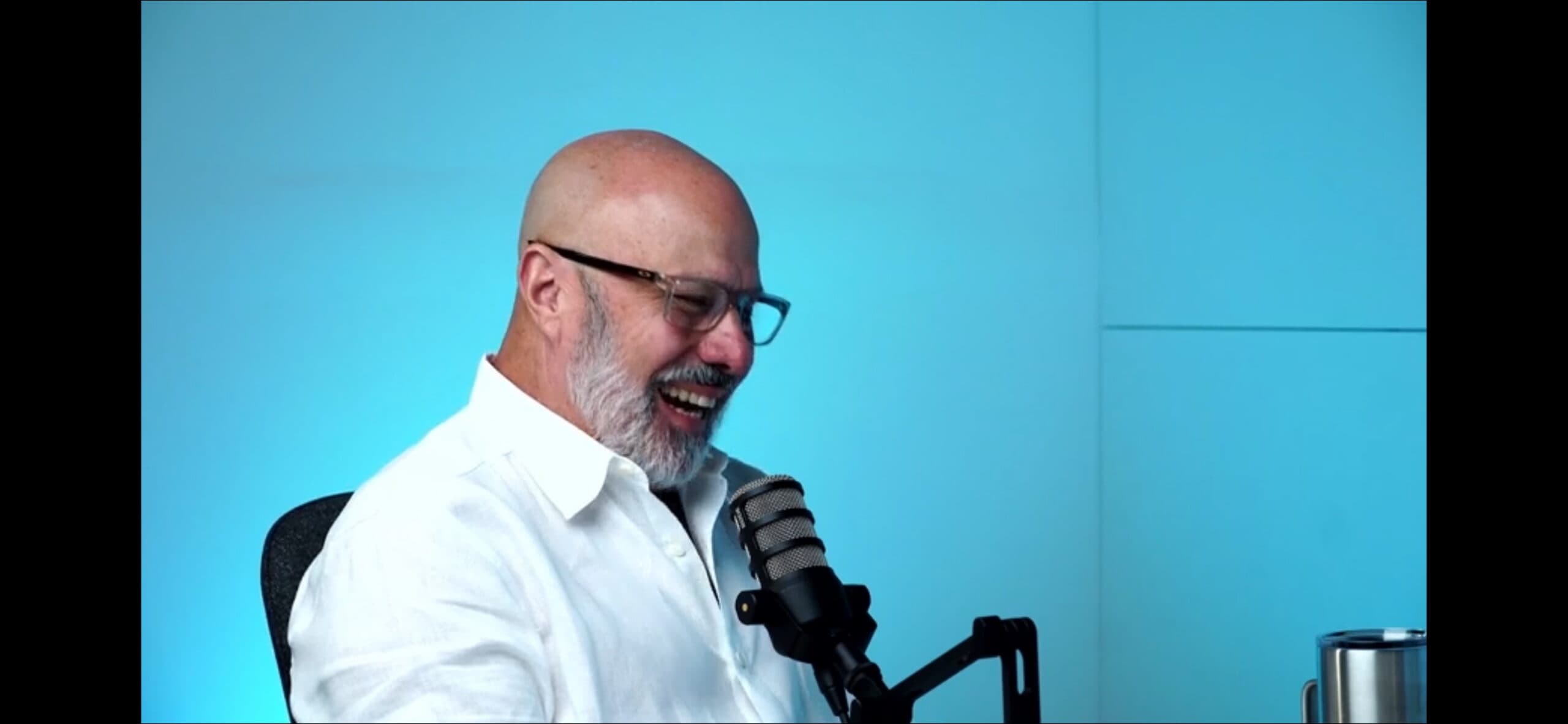
Braswell, head of Executive Services PR, a tax consulting firm, and Millon, a business development executive in the solar energy industry, sat down with Alberto Bacó on the latest episode of El Blueprint. They discussed how leaving the familiar to build a business in a very different environment takes more than determination.
“You can’t be so resistant to change or to learning about different ways of life, especially when you move to an island so far from where you grew up,” Braswell said.
From rural Alabama to Act 60 advice
Growing up in a small rural town in Alabama, with a firefighter father who hoped he would follow in his footsteps, Braswell learned early to aim higher. Today he leads a company that advises entrepreneurs and investors on tax planning, establishing business operations and complying with the requirements of Act 60, with the goal of helping others take advantage of the same opportunities he was able to pursue.
Braswell and his team operate at the intersection of economic development, tax policy and professional services, simplifying processes that can be hard for entrepreneurs to navigate on their own.
Act 60, Puerto Rico’s Incentives Code, consolidates several economic development programs and has become a central part of the island’s strategy to attract investment and export-oriented businesses. According to figures published by the Department of Economic Development and Commerce (DDEC), employment associated with the export services incentive reached more than 22,192 jobs in 2022.
Risk, incentives and learning from mistakes
A December 2025 report by the U.S. Government Accountability Office (GAO) examined two incentives created in 2012: Act 20, for export services, and Act 22, for resident investors. The report found that the incentives’ overall effect on the island’s economy is difficult to isolate and that the evidence on their costs and benefits is mixed. It also estimates that the drop in federal tax revenue from incentive recipients could total hundreds of millions of dollars a year.
For newcomers weighing a similar move, the lesson is that incentives can lower the cost of entry, but the government’s own reviewers say their effects are hard to measure. A business case should stand on its own economics rather than on the tax benefit alone.
For Braswell, entrepreneurship demands bravery as well as effort. Starting a business in a different country means accepting risk as part of the equation, he told Bacó. He has grappled with the fear of losing money throughout his career. He credits learning from his mistakes, staying accountable and continuing to build trust as habits that help entrepreneurs strengthen their businesses over the long run.
Chance Millon and the solar market
Unlike Braswell, Millon had the chance to travel internationally from a young age and experience different cultures. Seeing the world gave him an openness to new experiences, which eventually led him to move to Puerto Rico in 2023 to establish his own company, Millon Development. He acknowledges that when he announced his decision to relocate, not everyone was supportive. Some reacted with skepticism.
“You have your doubts, but you have to believe in yourself, stay focused and keep moving forward. At our firm, we call ourselves soldiers: you have to keep going, regardless of all the noise around you,” Millon said.
Millon’s background is in the commercial solar market, where demand for solar energy systems and battery storage is growing across the island.
Rising power costs, rising solar demand
The island had nearly 192,000 rooftop solar installations by the end of 2025, according to the U.S. Energy Information Administration (EIA). That year, it added an average of 3,850 systems a month. The EIA also estimates that rooftop solar accounts for about 20% of the island’s installed generating capacity, which is not the same as its share of the electricity actually delivered.
Recently, Puerto Rico’s Energy Bureau approved a residential rate of 33.86 cents per kilowatt-hour for October through December 2026. For a typical customer using 800 kilowatt-hours a month, that raises the bill from approximately $229 to $271.
For companies considering solar, higher electricity prices can strengthen the financial case for generating their own power, although the economics depend on installation costs, financing and actual consumption.
Two industries, one goal
For Millon, building a business in a different country can pose evolving challenges, but his belief in himself is what should never waver.
While Braswell helps companies establish and manage operations within Puerto Rico’s regulatory environment, Millon works in sectors that affect businesses’ physical infrastructure and energy needs. The two industries differ, but their approach is the same: identify a problem and solve it.
Their experiences show both the opportunities and complexities of building a business in Puerto Rico, where adaptability, perseverance and a willingness to understand the local market can matter as much as the original idea.
To learn more about both entrepreneurs’ journeys, tune in to the new episode of El Blueprint, available on YouTube, Spotify and in the link above.
After helping rescue a struggling logistics company and acquiring it in 1996, Rosaly built his leadership around operational efficiency, adaptability and the people behind Puerto Rico’s distribution network
Pedro Juan Rosaly took over a company facing closure in 1988, steered it through a 1996 leveraged buyout and built Islandwide Group into a logistics operator that delivers more than 3.5 million packages a year