Facility to process up to 100 catlle, 400 hogs
A $2.8 million cooperative investment has given rise to one of the most significant agricultural infrastructure projects in recent years: the Puerto Rico Meat Processing Center, a new facility developed by the Pig Farmers Cooperative of Puerto Rico and the Caribbean (COOPORCI‑PR).
The center is positioned to expand the island’s meat‑processing capacity, strengthen independent producers, and reinforce Puerto Rico’s food‑security strategy.
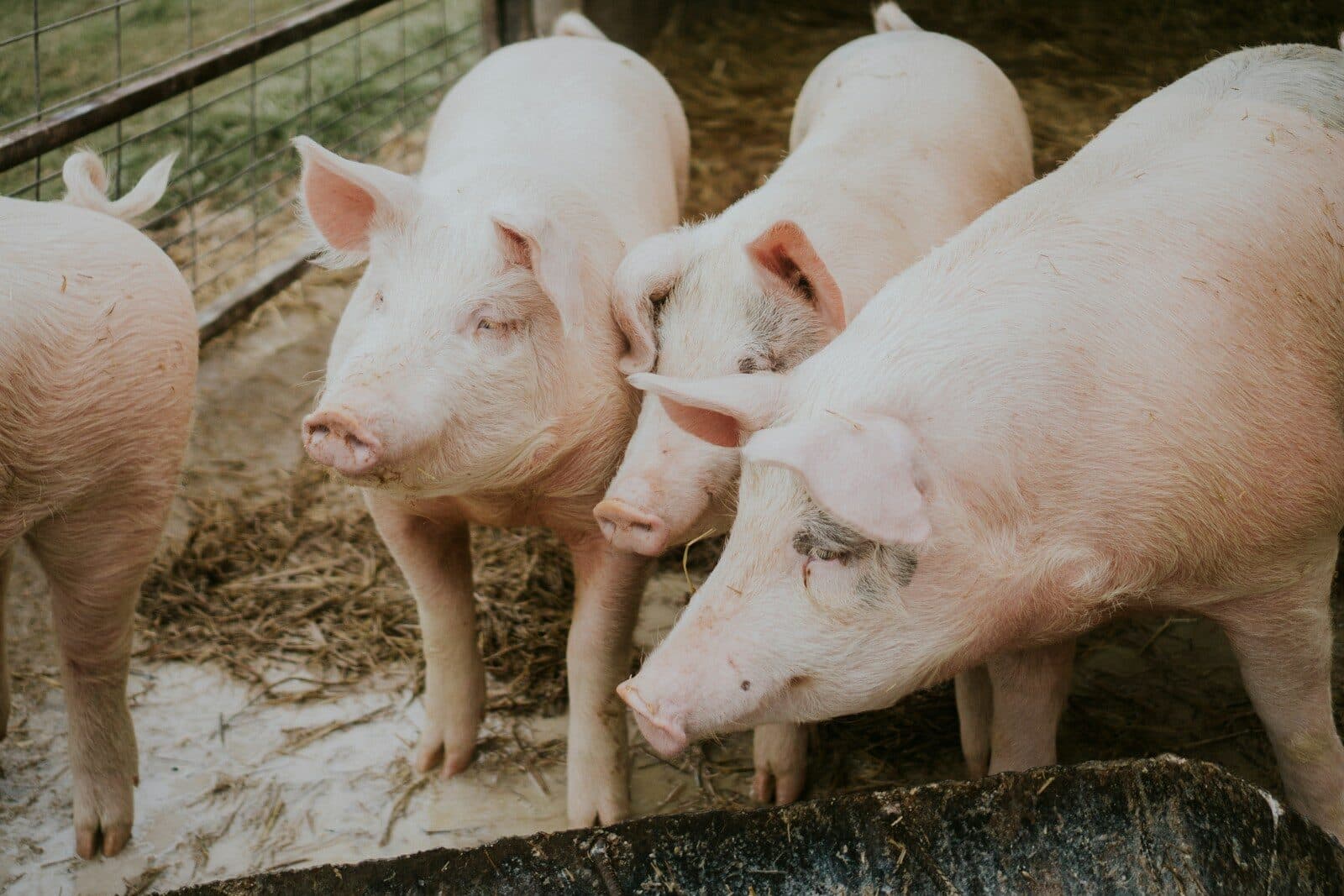
The facility was designed to process up to 100 cattle or 400 hogs per day when fully operational, marking a substantial expansion of the island’s capacity to handle locally raised livestock. By increasing processing capacity, the center aims to ensure that more Puerto Rico-produced meat reaches supermarkets, butcher shops, school cafeterias, and consumers across the island — generating added value for producers and supporting the broader agricultural economy.
Beyond its operational capabilities, the project is a strategic investment in Puerto Rico’s food supply chain. The center is expected to produce 12.5 million pounds of beef and 2.7 million pounds of pork annually, reducing reliance on imported meat and creating an estimated 140 direct and indirect jobs. Cooperative leaders say the facility will strengthen the agricultural value chain, create new opportunities for suppliers and transporters, and provide critical support for hundreds of local producers.
“With the inauguration of the Puerto Rico Meat Processing Center, we are ushering in a new era for Puerto Rican livestock production,” said Ángel Rodríguez, president of COOPORCI-PR. “Our goal is to be a reliable partner for every producer, providing the tools and support needed to grow, compete, and elevate their operations. This plant will be a cornerstone for the bovine, swine, and ovine sectors and for the island’s agricultural development.”
The project was financed through the Fondo de Inversión y Desarrollo Cooperativo (FIDECOOP) and the U.S. Department of Agriculture’s Meat and Poultry Intermediary Lending Program (MPILP), an initiative designed to strengthen meat‑processing infrastructure and support independent processors nationwide.
“This investment demonstrates once again that the cooperative model is an effective tool for developing strategic infrastructure, strengthening local production, and creating economic opportunities for Puerto Rico,” said José Julián Ramírez Ruiz, executive director of FIDECOOP. He noted that additional MPILP funding remains available and encouraged cattle producers to organize under cooperative structures to access financing for new processing projects.
Eliezer Maldonado Pagán, operations director of the Puerto Rico Meat Processing Center, emphasized the facility’s role as a partner for small producers. “We want to offer high‑quality services that help producers develop their own brands, improve competitiveness, and reach new markets. Our commitment is to be the support system that drives the growth of Puerto Rican livestock,” he said.
Nelson Albino Ruiz, the state director of USDA Rural Development for Puerto Rico, highlighted the federal government’s support for the project. He said the investment reflects the Administration’s commitment to strengthening agro-food infrastructure and ensuring that rural communities have the tools to thrive. He added that USDA Rural Development continues to advance initiatives that expand economic opportunities, support local producers, and bolster food security for Puerto Rican families.
COOPORCI-PR, which has spent 15 years advancing Puerto Rico’s swine industry through cooperative development and infrastructure investment, called the new processing center one of the most significant projects in its history. The organization says the facility reaffirms its mission to strengthen local meat production, enhance food security, and contribute to Puerto Rico’s long-term economic resilience.