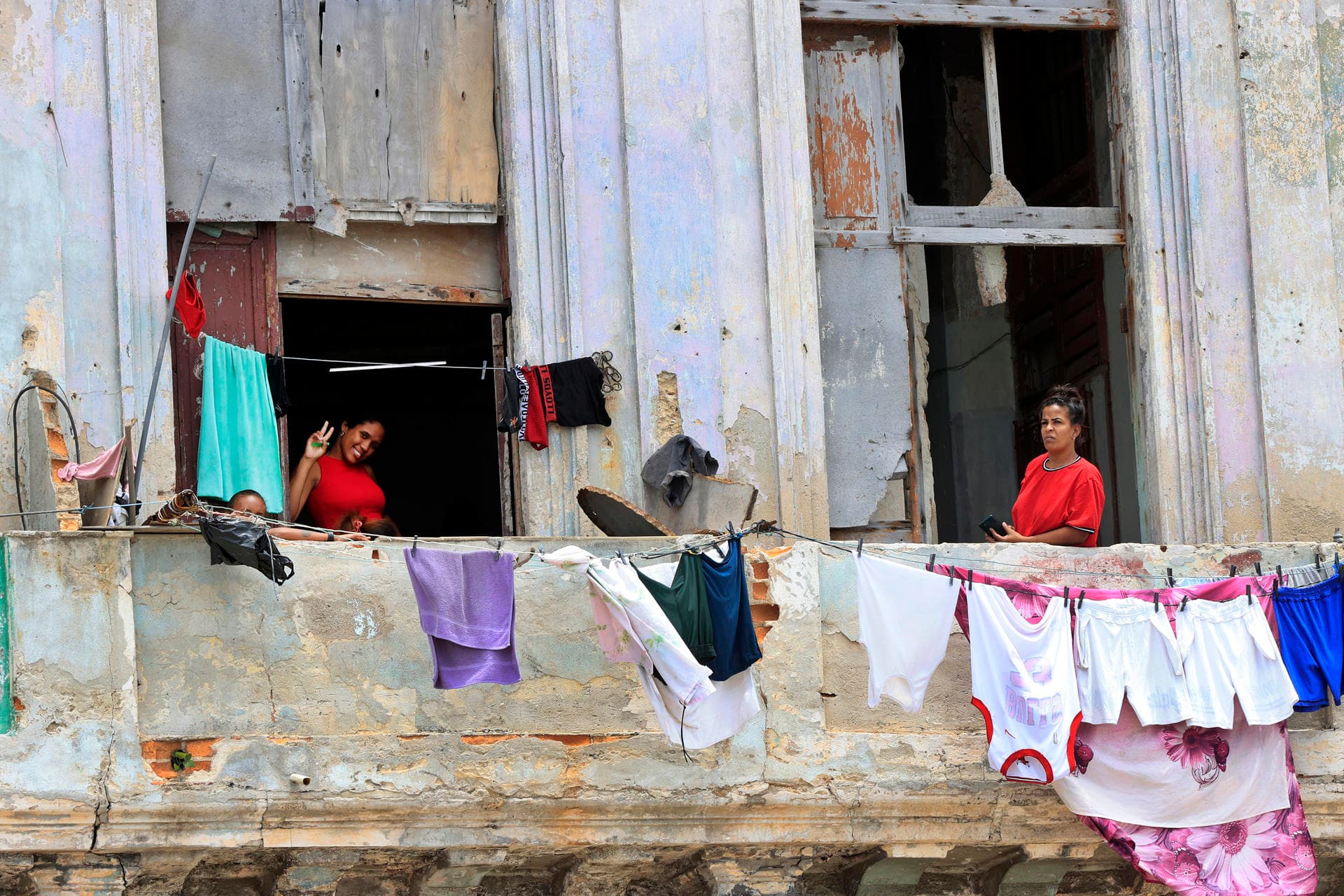
Cuba’s National Assembly has approved a broad package of economic reforms aimed at liberalizing and decentralizing key sectors of the economy as the island confronts one of its most severe economic crises in decades.
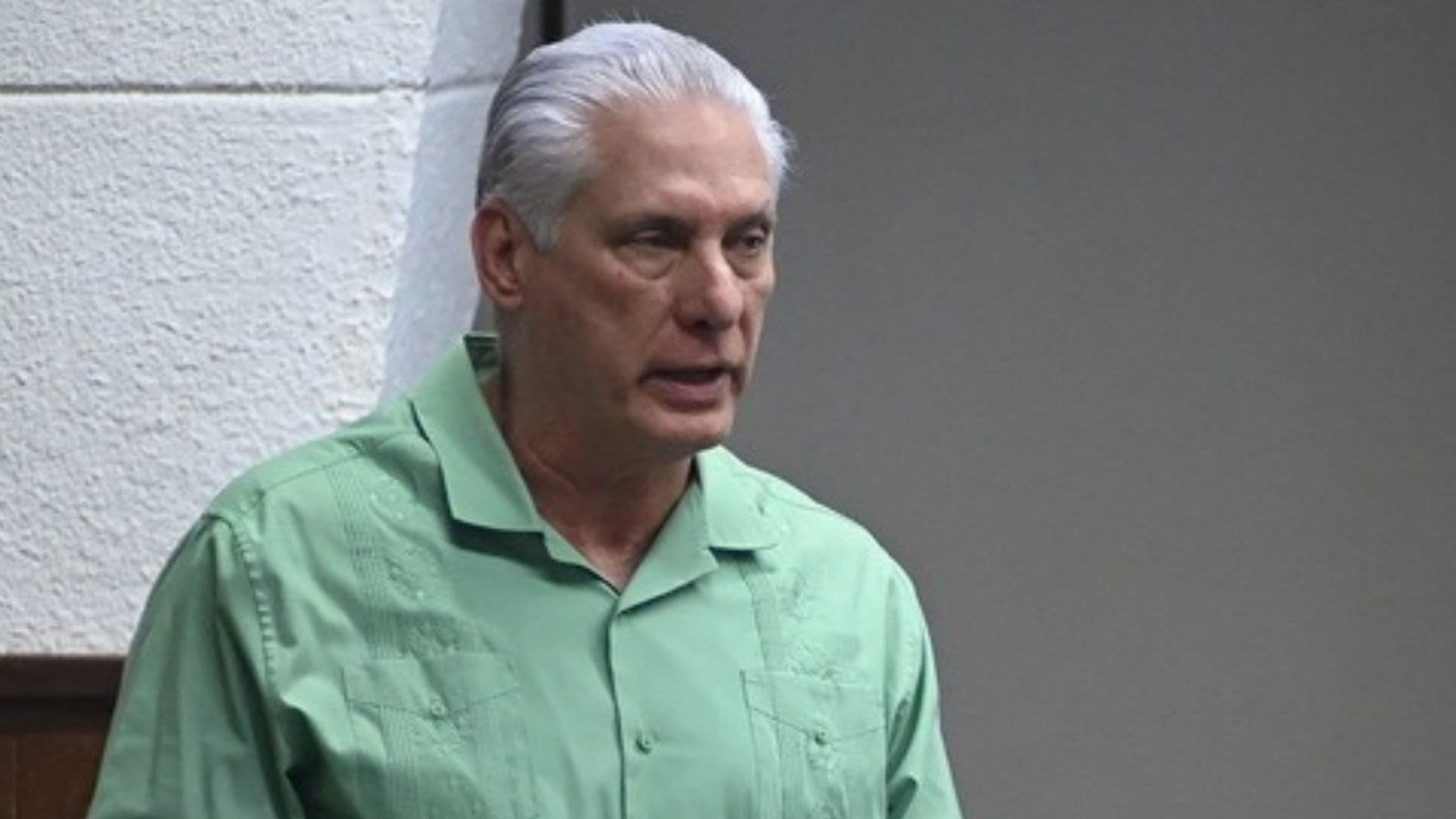
The measures, announced by Prime Minister Manuel Marrero, seek to attract foreign investment, expand private-sector participation, modernize state-owned enterprises and increase local decision-making authority. Officials described the reforms as essential to preserving Cuba’s socialist model while adapting to current economic realities.
Among the most significant changes are plans to allow greater private investment in financial services, including the potential creation of privately owned banks under the supervision of the Central Bank of Cuba. The reforms also introduce mechanisms for corporate bankruptcy, restructuring and liquidation, while opening the possibility of transforming state-owned enterprises into joint-stock companies.