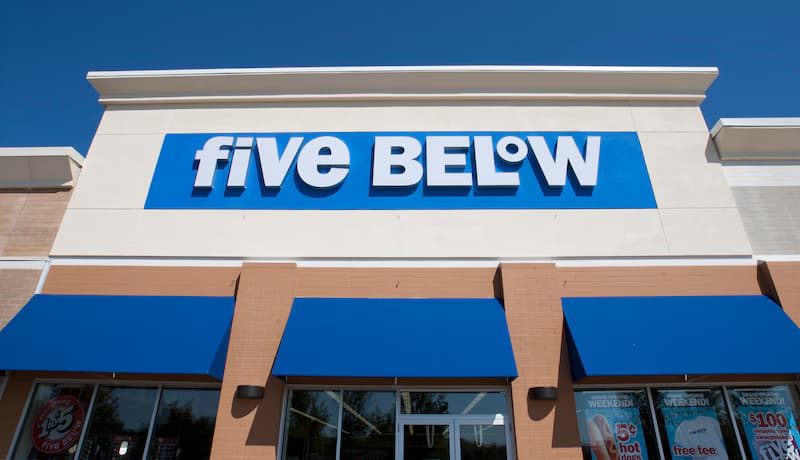
Fast-growing discount retailer Five Below has crossed the 2,000-store mark and is preparing to enter Puerto Rico next year as trend-driven merchandise, including the viral “squishy dumplings,” continues to draw young shoppers.
According to CoStar, the Philadelphia-based chain, which sells toys, candy, home decor, tech accessories, sporting goods and party items mostly priced between $1 and $5, reported stronger-than-expected fiscal second-quarter 2026 earnings on Thursday. Net sales rose 22.9% to $1.26 billion, up from $1.03 billion a year earlier, while comparable sales increased 14.1%.
CEO Winnie Park said the results reflect the success of the company’s customer-centric strategy and improvements to its operating model.
“This market represents a highly attractive opportunity for our brand,” Park said. “There’s currently no retail concept delivering the same combination of kid-focused fun and value. We expect to open a handful of stores as part of the initial launch and will remain thoughtful and disciplined as we build our presence over time.”
Five Below opened 52 net new stores during the quarter, ending the period with 2,022 locations in 46 states, an 8.8% increase from last year. The company celebrated its 2,000th store opening in July in LaGrange, Georgia, and in August entered its 47th state with a new location in Lewiston, Idaho.
Park said new stores remain a key growth driver. “We have a long runway to bring Five Below to more customers and more communities,” she said.
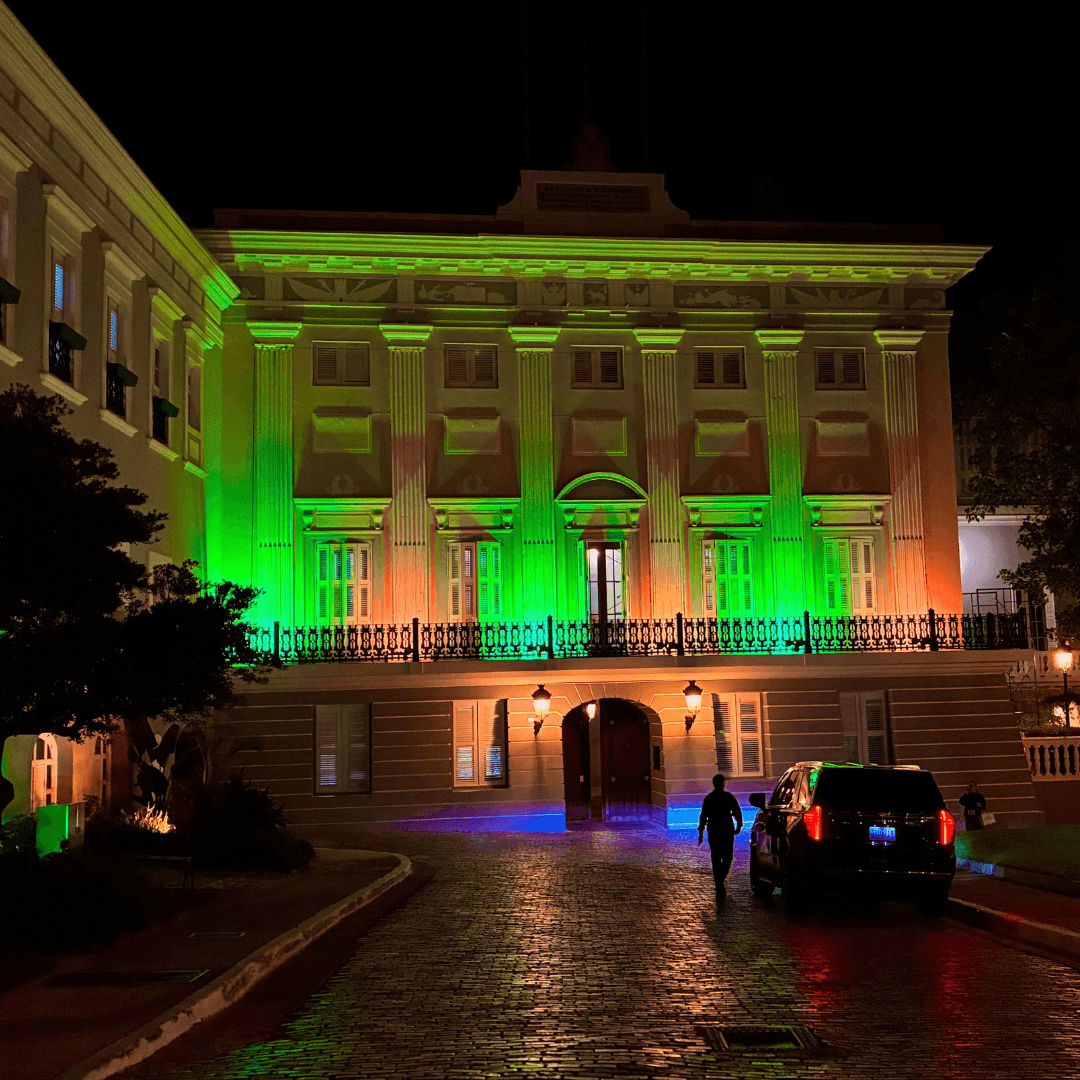
The retailer plans to expand into Puerto Rico in the second half of 2027, describing the U.S. territory as a strong strategic fit.
Driven by high standards
Five Below raised its full-year sales guidance but did not increase its target of opening about 150 net new stores this year. When asked why the company isn’t accelerating openings given its strong sales momentum, Chief Financial Officer Dan Sullivan said the constraint isn’t capital but real estate availability.
“We’re obviously not capital constrained,” Sullivan said. “The balancing act for us is continuing to execute at a really high level. We’re scaling these muscles in an impactful way, such that we’re confident now to expand into a white space like Puerto Rico. But rolling out new locations depends on what properties and locations are available, and we’re not going to sacrifice the standards we’ve set.”
For Puerto Rico, that puts the real test elsewhere, not whether Five Below can find real estate on the island, but whether a detection-and-amplification system built for a mainland, algorithm-driven teen and tween culture translates cleanly to a market with its own social media habits, retail geography and cost structure.
“We saw amazing response to newness and trends across price points,” Park said. “We have deployed a repeatable operating capability that enables us to detect customer trends early, amplify these trends with our emerging marketing muscles, and execute consistently across the store experience.”
That capability breaks down into three linked functions that Five Below and outside analysts describe as an operating “flywheel,” and each one has its own specific mechanics behind it.
Detecting trends before they peak
Five Below did not invent the squishy dumplings that drove much of this quarter’s traffic. The soft, squeezable toys sold in mystery packages had sat in the company’s assortment for roughly five years before exploding into a social media phenomenon this spring, according to the trade publication Retail TouchPoints.
What the company says it has built is the capacity to spot that kind of shift early and move on it: merchandising teams track conversations across TikTok, Instagram and YouTube for early signals among its core Gen Z and Gen Alpha shoppers, then work with a diversified vendor base to get product on shelves within weeks rather than months.
That speed rests on sourcing infrastructure built up in recent years, including a sourcing office in India overseeing roughly 50 factories and a deliberate shift of production away from China, which fell by about 10 percentage points in the back half of this year, executives said on recent earnings calls. Merchandise itself is organized into eight categories the company brands internally as “worlds” (Candy, Style, Party, Room, Create, Tech, Sports and New & Now), giving buyers a ready framework for rotating a viral item into the broader assortment quickly.
Turning attention into marketing
Once a trend is identified, Five Below leans on what it calls “curtain up” moments, a marketing calendar built around six seasonal windows (New Year, spring break, summer, back to school, Halloween and holiday) when the company times new product launches to a coordinated media push.
That push has shifted decisively toward social and digital channels, including creator content, AI-generated marketing materials and connected-TV advertising layered on top of social-listening tools, Retail TouchPoints reported.
The company is also expanding its own first-party data capture so it can follow up directly with shoppers by email once a viral item has brought them in the door, rather than depending on paid reach alone. Park told analysts on the company’s second-quarter call that customers acquired during last year’s dumpling surge came back to shop again in the first half of 2026, evidence, she said, that the strategy is building repeat business rather than one-time traffic.
Making it work on the sales floor
The store piece is where the merchandising and marketing decisions get executed, and it is also, by Park’s own account, where the company had the furthest to go.
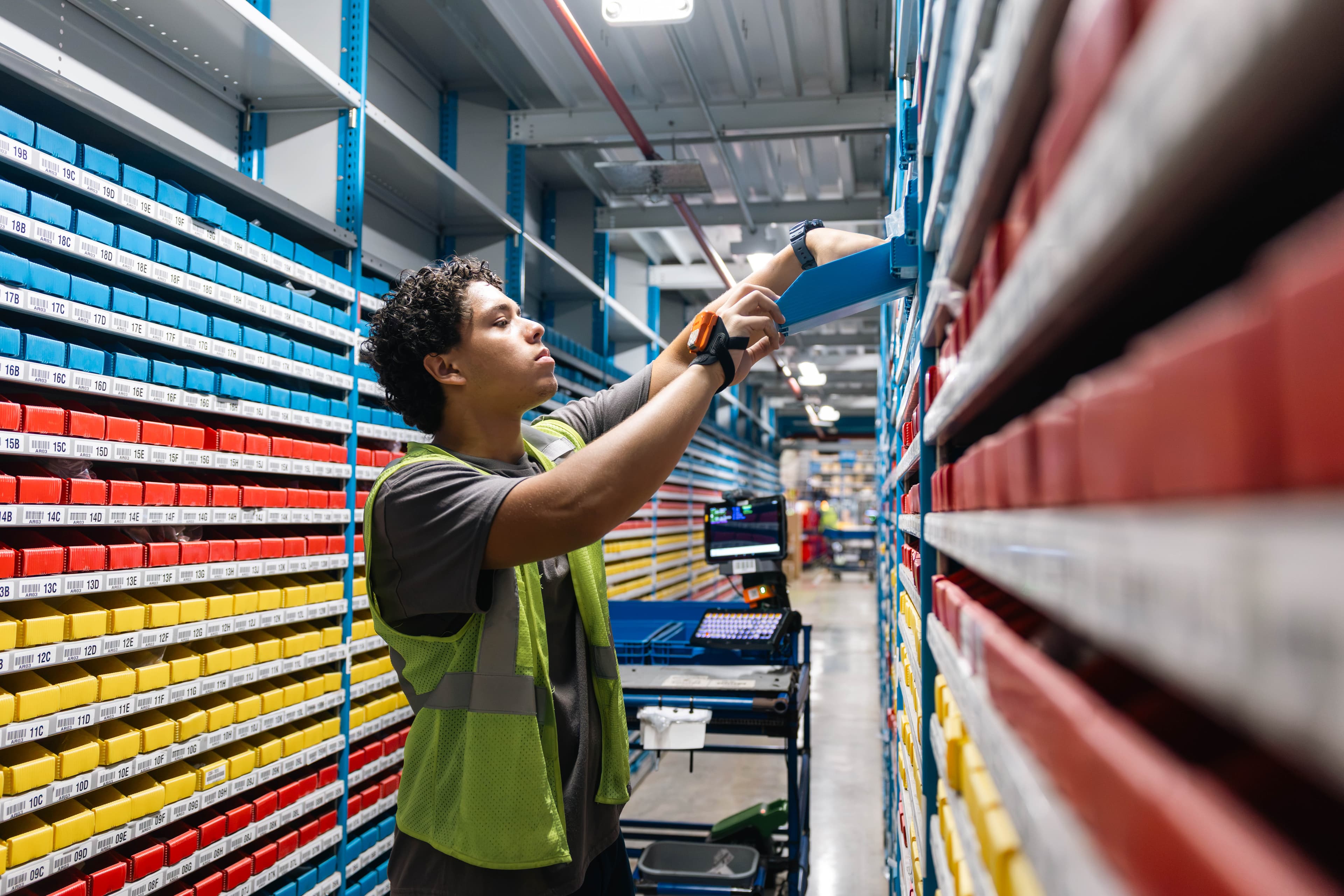
Five Below began adding store labor back into its budget last year after concluding that thin staffing was slowing the basic task of moving inventory from the stockroom to the sales floor. Coordinating a curtain up moment today means merchandising, marketing and supply-chain teams working together so product, signage and displays land in stores nationwide at the same time rather than trickling in, with associates briefed in advance on what is coming.
Park has framed the shift as one of urgency: getting a new set on the floor without delay, rather than letting a launch roll out unevenly store by store. Five Below has also reworked its higher-priced Five Beyond sections, lowering fixtures and opening sightlines the company says had been suppressing sales, part of a broader push to make stores feel less like a stockroom and more like an event.
It is that three-part system, rather than any single viral product, that Park and Chief Financial Officer Dan Sullivan point to when discussing Puerto Rico as the next test of the model.