Orders came after a meeting with the private sector to present the planned water infrastructure
Facing increasingly dry conditions and declining reservoir levels, Governor Jenniffer González Colón signed two executive orders on Friday to stabilize Puerto Rico’s water supply and coordinate an emergency response across government agencies and the National Guard.
The executive orders came hours after government economic and water officials met behind closed doors with private sector groups.
The first directive, Executive Order 2026-35, declares a state of emergency regarding water use amid the island’s markedly low precipitation and the continued decline in major reservoirs. The order authorizes the government to implement conservation measures, strengthen water resource management, and adopt a comprehensive action plan to mitigate the drought’s impact on households, businesses, and critical infrastructure.
According to the administration, the declaration allows agencies to expedite regulatory and operational steps that typically require longer approval cycles. This includes adjusting water-use protocols, prioritizing essential services, and coordinating with municipalities and private utilities to reduce consumption and safeguard supply for high-need sectors, including healthcare, manufacturing, and agriculture.
The second directive, Executive Order 2026-36, activates the Puerto Rico National Guard to support water distribution, hauling, and purification. The Guard will assist by transporting potable water to affected communities, deploying purification units as needed, and reinforcing logistics for agencies facing strained resources.
Business groups and industry leaders have been closely monitoring the situation, as prolonged drought can disrupt operations ranging from food production to pharmaceuticals. The emergency declaration signals that the government is preparing for a scenario in which water availability may tighten further, requiring coordinated action across the public and private sectors.
Officials emphasized that the dual orders are intended to stabilize supply while longer-term mitigation strategies, including infrastructure upgrades, watershed management, and resilience planning, continue.
The orders came hours after a closed‑door meeting between major private business organizations and Puerto Rico’s top water and energy officials. A source that wished to remain anonymous described the meeting as a lengthy, highly technical briefing that left attendees “not necessarily clearer” about the government’s plans to confront the island’s worsening water and energy challenges.
The session stretched for hours and included presentations from the head of the Puerto Rico Aqueduct and Sewer Authority, Luis González, and the Energy Czar Josué Colón.
The source said officials outlined dozens of infrastructure projects, including more than 200 initiatives in one presentation, 95 regional projects, and 68 priority projects totaling $3.81 million. When asked which single infrastructure project would have the greatest economic impact over the next two years, the official responded simply: “Sergio Cuevas.” The source interpreted this as a reference to the long‑delayed reservoir and water storage project.
Officials acknowledged chronic delays across Puerto Rico’s water infrastructure. The source recalled comments about the La Plata plant’s century‑old condition and the Valenciana reservoirs, where “six first‑stone ceremonies have been held and nothing has happened.” They also reiterated hopes that long‑planned expansions to the Superaqueduct could eventually move forward.
When business leaders pressed on the ASA’s biggest challenge in maintaining potable water service, the response was blunt: decades of insufficient investment. “We’re suffering the consequences,” the official said, according to the source.
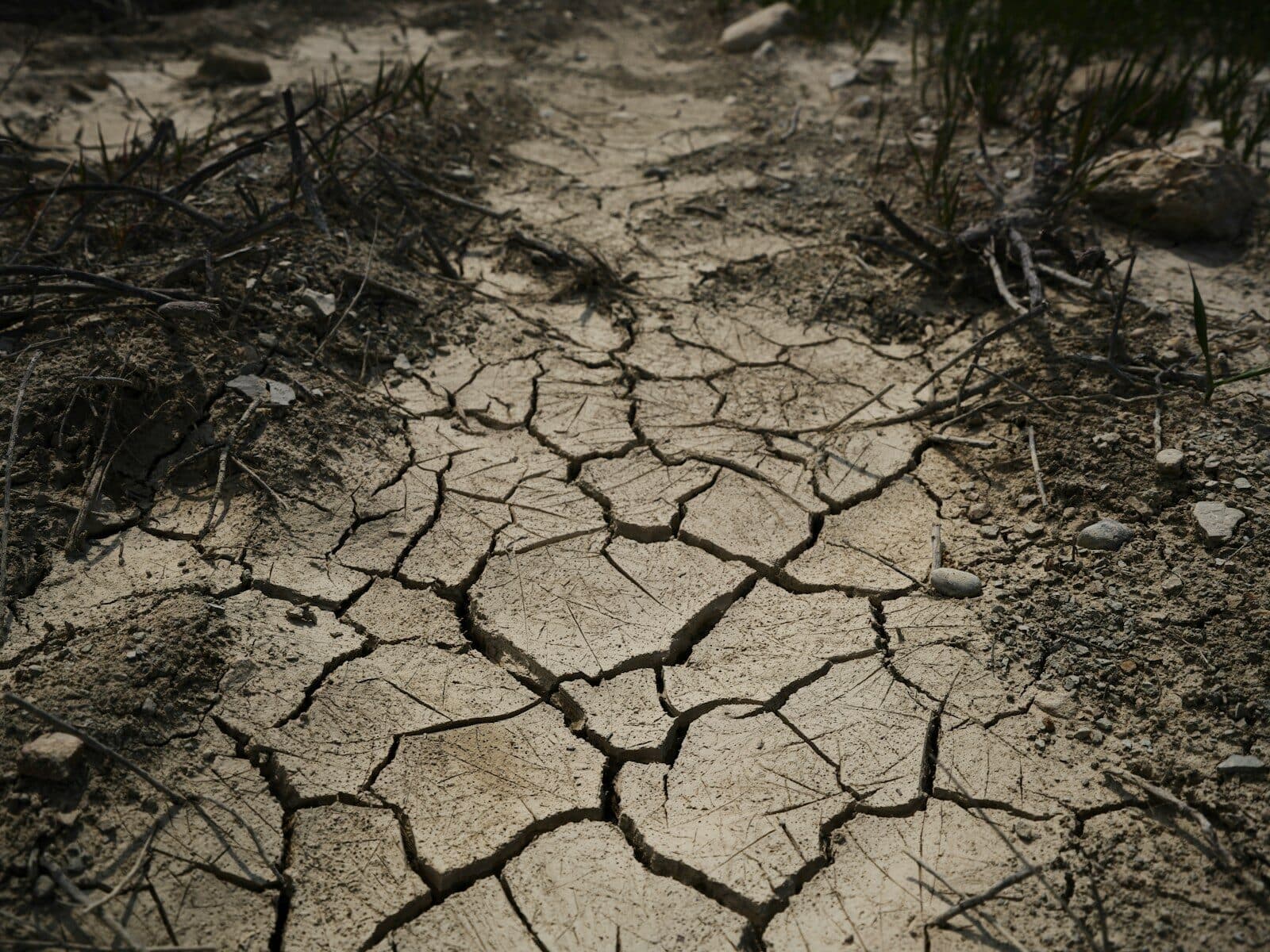
The meeting also included a detailed briefing on the island’s emerging drought conditions. Officials cited El Niño as a driving factor and warned that Puerto Rico could face drought conditions through March 2027.
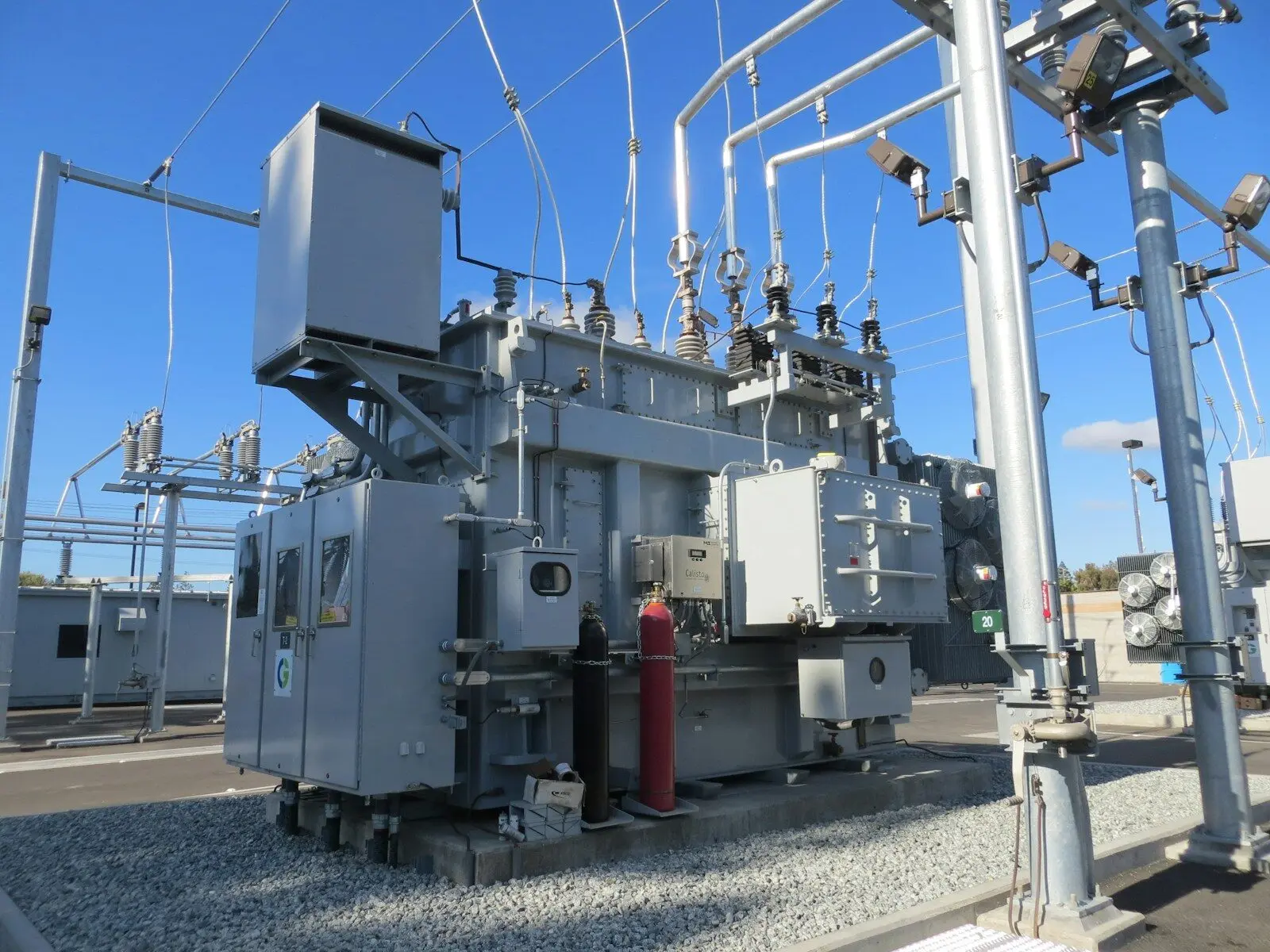
Energy issues dominated the latter half of the session. The source said Josué Colón, the island’s energy chief, provided updates on recent blackouts, attributing some to human error and others to systemic failures. He also acknowledged that LUMA Energy has improved under tighter oversight, advancing millions of dollars in projects that had previously stalled.
Still, Colón reportedly emphasized that LUMA remains far below expected performance, estimating the operator is five years behind on key deliverables. The final slides of his presentation focused on the government’s ongoing push to cancel LUMA’s contract, a process officials believe they will continue to prevail in through the courts.
The source said officials contrasted LUMA’s performance with that of Genera PR, noting that although Genera’s early years (2021–2024) were marked by poor execution, the company has recently shown stronger operational gains.
The meeting ran long—so long that the source had to leave early for a scheduled call with LUMA. “It was complex, more technical than you’d expect,” the source said. “I’m not sure we left clearer than when we entered.”