In a divided vote, the House of Representatives approved legislation to dismantle the island’s independent Minimum Wage Evaluation Commission and restore full authority over wage‑setting to the Legislature, a move that immediately triggered warnings from minority lawmakers that workers will be left behind. House Bill 1115 now heads to the Senate as the governing New […]
In a divided vote, the House of Representatives approved legislation to dismantle the island’s independent Minimum Wage Evaluation Commission and restore full authority over wage‑setting to the Legislature, a move that immediately triggered warnings from minority lawmakers that workers will be left behind.
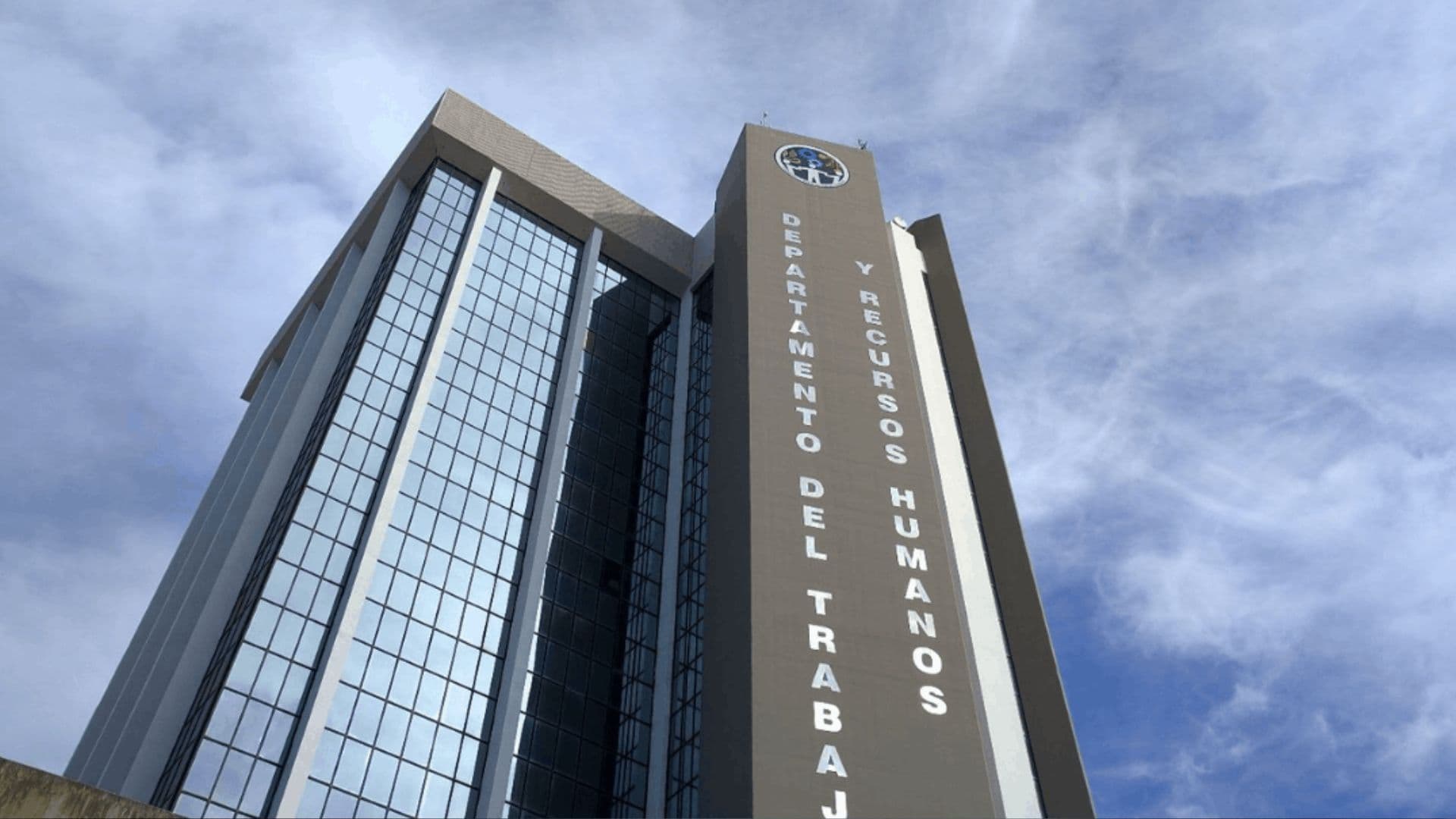
House Bill 1115 now heads to the Senate as the governing New Progressive Party seeks to undo the 2021 law that created the commission and reassert direct legislative control over future minimum wage increases.
The measure maintains the current $10.50 hourly minimum wage but repeals Law 47‑2021 and eliminates the seven‑member commission, which had been empowered to periodically revise the wage floor and issue sector‑specific decrees. Under the new framework, lawmakers—not an independent body—will be required to review the minimum wage every four years and determine whether an increase is justified. That review must weigh the prevailing federal minimum wage, any future federal increases already legislated, Puerto Rico’s cost of living, worker needs, and the economic conditions facing employers, with the bill emphasizing that any adjustment must avoid “reducing employment substantially.”
Supporters of the repeal argue that the commission lacked democratic legitimacy and operated without its full membership. The bill’s exposition of motives highlights that the commission’s only major action—a 2024 increase—was approved by just three of the five appointed members at the time, noting that “three unelected persons… they made a determination that affected the entire economy.” The majority framed the repeal as a necessary correction to what it described as an improper delegation of policymaking authority to unelected officials.
But the vote exposed deep divisions over the future of wage policy. Popular Democratic Party Rep. Héctor Ferrer sharply criticized the bill, arguing that lawmakers have not demonstrated a willingness to prioritize workers’ needs. He said the decision should not be left to legislators, noting that the House and Senate have repeatedly declined to repeal gas taxes or to approve other measures that would benefit the working class. Ferrer added that previous increases to the minimum wage did not originate in the Legislature, underscoring his concern that elected officials will not act proactively to raise wages.
Puerto Rican Independence Party Rep. Adriana Gutiérrez echoed those concerns, pointing to the Legislature’s long history of inaction on wage issues. She noted that after the previous minimum wage board was eliminated in the 1990s, the Legislative Assembly did not revisit the minimum wage for 25 years. “That is the data you can’t ignore,” she said, adding that this prolonged stagnation was precisely what led to the creation of the Minimum Wage Evaluation Commission in 2021. Gutiérrez warned that returning authority to the Legislature will all but guarantee the issue stalls again.
The bill’s sponsors counter that recent judicial developments require a more precise legislative framework. The exposition cites the U.S. Supreme Court’s 2024 decision in Loper Bright v. Raimondo, which overturned the Chevron doctrine and limited deference to administrative agencies, as well as the Puerto Rico Supreme Court’s adoption of the same reasoning. According to the measure, these rulings cast doubt on broad delegations of policymaking authority to independent bodies and reinforce the need for elected officials—not appointed commissioners—to make decisions with island‑wide economic impact.
The legislation also aligns with the administration’s broader economic strategy, which includes a tax reform proposal aimed at increasing workers’ disposable income by reducing their tax burden. The bill argues that such policy decisions “correspond[s] to elected officials,” and should not be constrained by an independent commission with authority to set wage floors.
While the bill repeals the commission, it preserves all mandatory decrees previously issued under Law 47‑2021, provided they do not set wages below the prevailing minimum. It also maintains enforcement mechanisms, including fines of up to $10,000 for violations and civil liability equal to double the damages caused to affected employees. Workers retain the right to pursue wage claims individually or collectively, with a five‑year statute of limitations.
With the House now on record in favor of the repeal, the debate shifts to the Senate, where lawmakers will decide whether Puerto Rico’s minimum wage policy will once again rest entirely in the hands of elected officials—or whether concerns about legislative inaction will slow the bill’s momentum.