Officials include members of Congress and state and municipal leaders
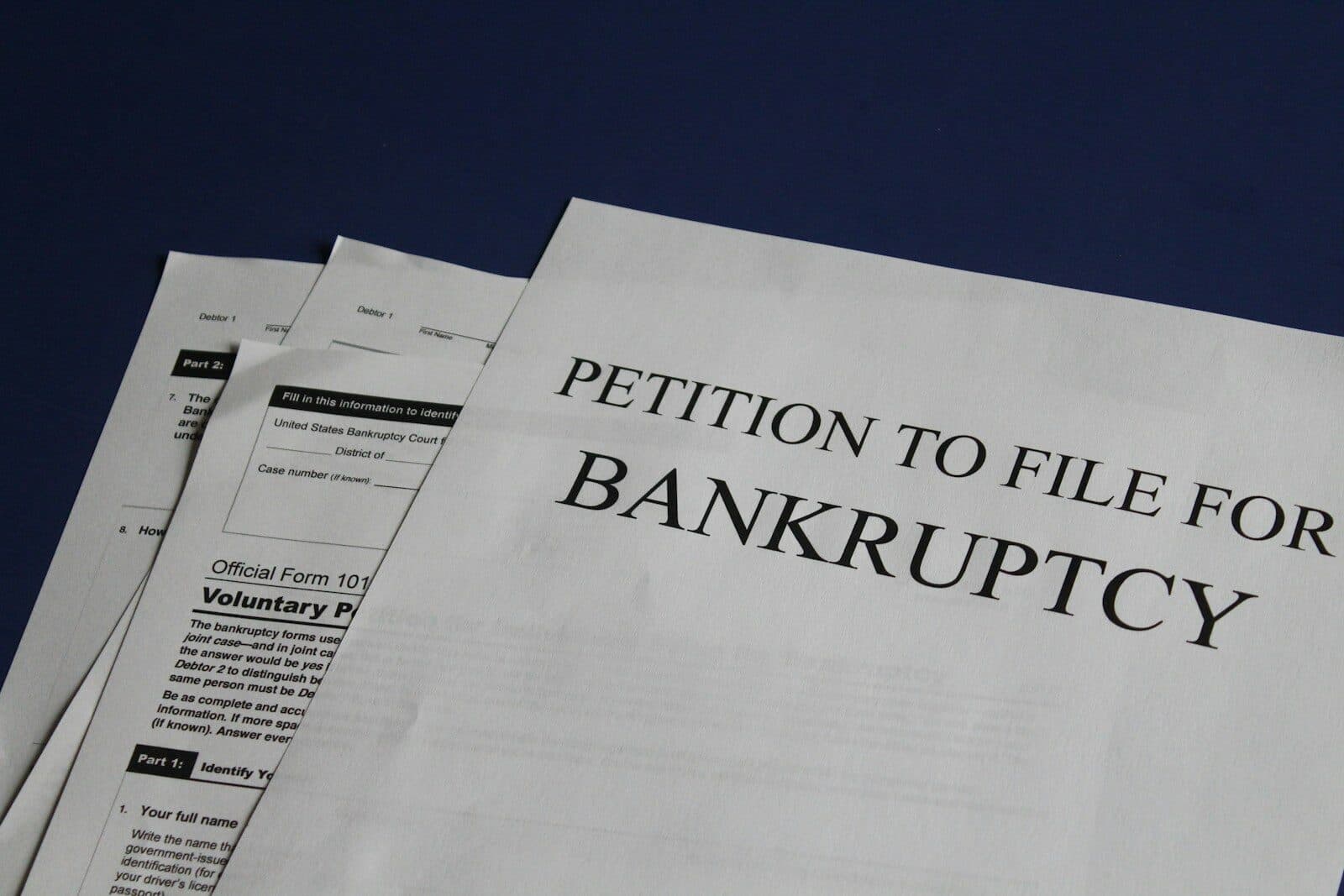
More than 200 elected officials from the United States and Puerto Rico are urging the First Circuit Court of Appeals to reject a new challenge brought by bondholders of the Puerto Rico Electric Power Authority (PREPA), arguing that the creditors’ demand for $3.7 billion in priority payments could force additional electricity rate increases and undermine the island’s fragile economic recovery.
The officials, including members of Congress and state and municipal leaders from 29 states, joined Local Progress in submitting an amicus brief opposing the appeal led by hedge fund GoldenTree. They argue that any court‑ordered payment would ultimately fall on ratepayers because PREPA remains in bankruptcy, leaving households and businesses exposed to higher energy costs at a time when Puerto Rico is working to stabilize its grid and attract investment.
Julio López Varona, spokesperson for the No + Aumentos coalition, said the bondholders’ position overlooks PREPA’s operational reality and the economic consequences of further rate hikes. “More than three million people depend on a reliable and affordable electrical system,” he said. “A ruling in favor of the bondholders would not only raise electricity bills — it would also weaken Puerto Rico’s ability to rebuild its energy infrastructure and sustain long-term economic growth.”
Business groups and economists have repeatedly warned that Puerto Rico’s high electricity costs remain one of the most significant barriers to competitiveness, affecting manufacturing, small businesses, and household budgets. Any additional increase, they note, could slow investment, raise operating costs, and erode consumer spending.
The officials’ filing responds to a separate brief submitted by 13 Republican-led states supporting the bondholders, which focuses on creditor repayment and potential effects on investment markets. Opponents counter that the argument overlooks the extraordinary circumstances Puerto Rico faced after Hurricane María and the need for governments to retain flexibility in emergencies.
López emphasized that the bondholders purchased PREPA debt in 2019, well after the hurricane and subsequent earthquakes, and are now seeking repayment of funds the utility used to stabilize and improve the grid. Even the Financial Oversight and Management Board has stated that PREPA cannot absorb additional debt payments without imposing unaffordable rate increases.
The officials argue that a decision favoring the bondholders would not only affect Puerto Rico but also limit the ability of municipalities across the United States to redirect funds during crises — a shift they say would have broad economic implications.
“The consequences extend beyond Puerto Rico,” López said. “If bondholders prevail, local governments everywhere could lose a critical tool for responding to emergencies and protecting their economies.”