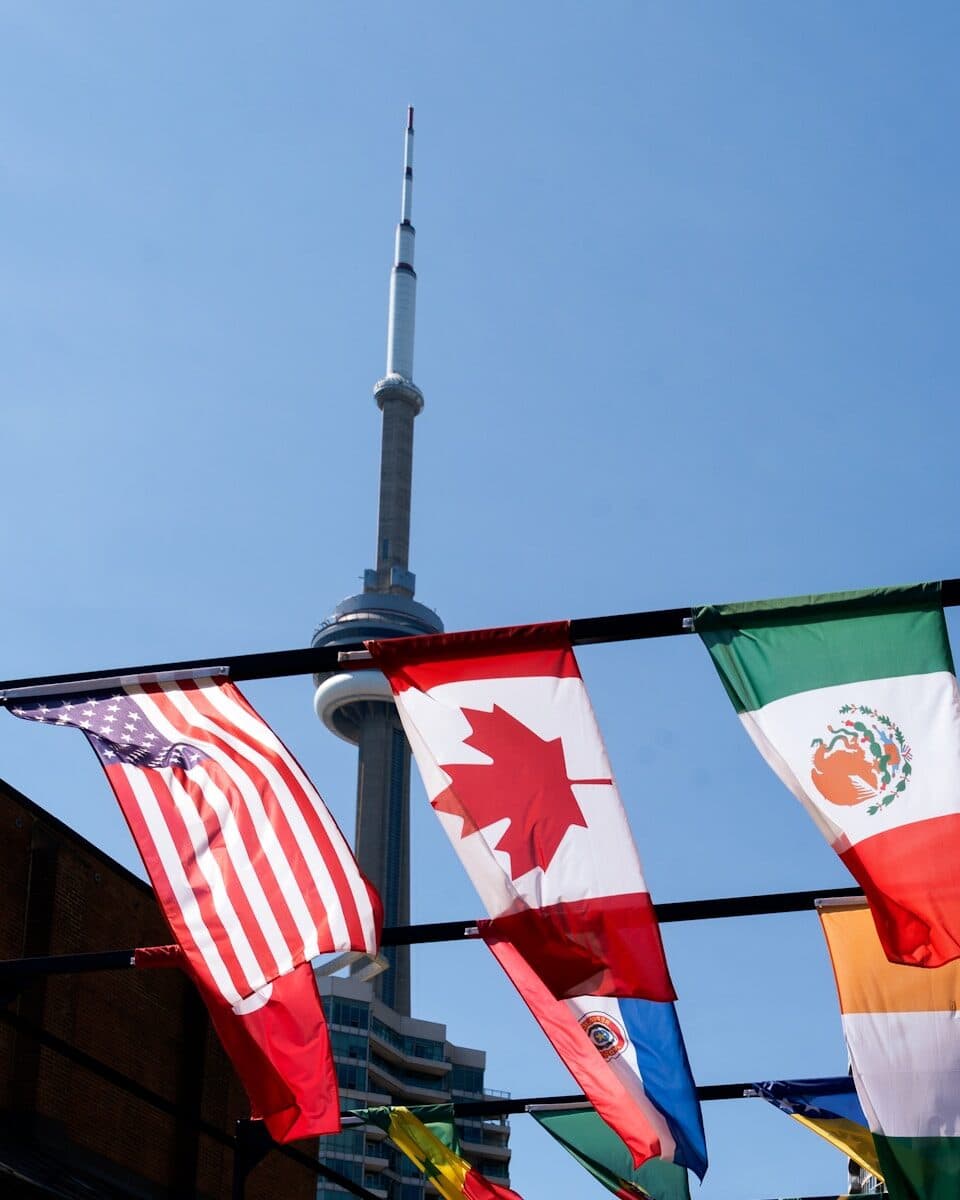
Officials from both countries aim to advance agreements on key trade issues, including metals, autos, labor, agriculture, and economic security.
Mexico and the United States launched their third round of bilateral negotiations on the United States-Mexico-Canada Agreement (USMCA) on Tuesday, making it the first talks since Washington declined on July 1 to renew the pact for another 16 years and instead initiated annual reviews through 2036.
Over the next three days, technical teams will address key issues including steel, aluminum and related products, automobiles, economic security, labor, agriculture, and electronic payment services, according to the Office of the U.S. Trade Representative (USTR).
U.S. Trade Representative Jamieson Greer is scheduled to travel to Mexico from Wednesday through Friday, where he will meet with Mexican Economy Secretary Marcelo Ebrard, who is heading Mexico’s negotiating team.
The agenda also includes meetings with Mexico’s President Claudia Sheinbaum.
Sheinbaum said Mexico aims to reach substantive agreements during this time so that future annual reviews function as compliance checks rather than full-scale negotiations annually. She argued that repeated negotiations would not benefit any of the three USMCA partners.
The president also acknowledged that the United States is seeking stricter rules of origin and greater U.S. content requirements for regional products. However, she stressed that Mexico must protect its economy and emphasized that the negotiations would not simply involve accepting U.S. demands.
Ebrard met with Mexico’s Business Coordinating Council (CCE) to review the country’s negotiating position. He noted that roughly 85% of Mexican exports currently enter the U.S. market duty-free and argued for maintaining that priority while addressing sector-specific tariffs affecting the automotive and metals industries.
Meanwhile, the CCE, the umbrella organization for the Mexican business community, maintains that the private sector also indicated that it is prepared to continue annual USMCA reviews for months — even through the remainder of President Donald Trump’s term — rather than agree to unfavorable terms, according to its president, José Medina Mora, who spoke to EFE.
During the previous negotiating round, held in Washington from June 15 to 17, both governments advanced discussions on rules of origin and economic security, opened talks on agriculture, labor, and environmental issues, and agreed to establish a committee focused on regulatory compatibility.
The USTR has said the review process is intended to address shortcomings in the trade agreement, reduce the U.S. trade deficit, and ensure the pact’s benefits accrue primarily to its member countries.
Meanwhile, the Ministry of Economy has maintained that it will defend its best position vis-à-vis the rest of the world in a new global trade order marked by tariffs, while pressing for changes that would benefit its key export industries, particularly aluminum, steel, and automobiles.