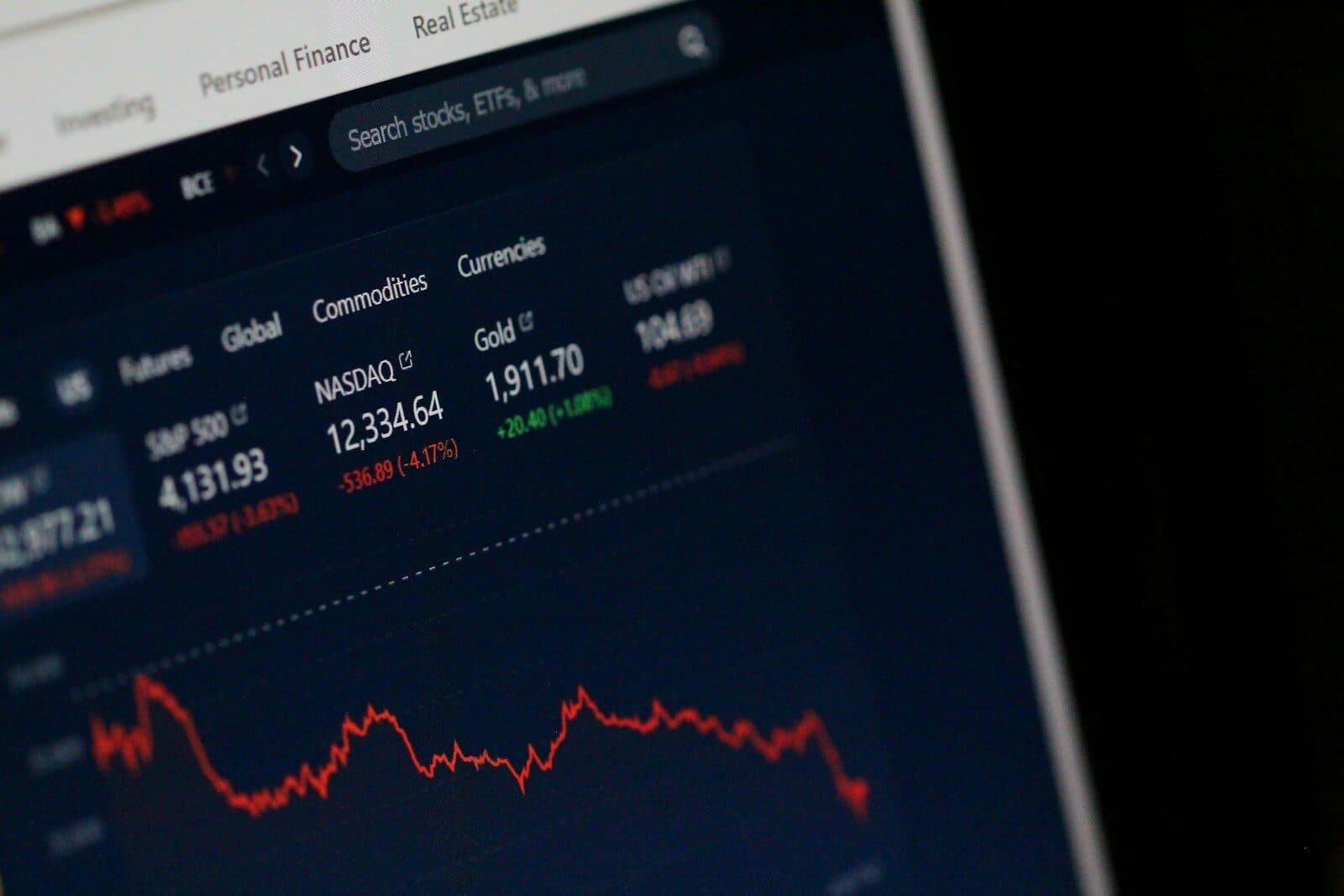
Geopolitical Uncertainty and Energy Fears Push Wall Street Into the Red
Wall Street ended Monday’s session in negative territory as investors reacted to the weekend’s exchange of attacks between the United States and Iran, escalating geopolitical tensions in the Middle East and pushing oil prices higher.
The Dow Jones Industrial Average declined 0.59% to 51,839.03 points, while the S&P 500 slipped 0.19% to 7,443.14 points. The Nasdaq Composite, heavily weighted toward technology stocks, edged down 0.05% to 25,508.07.
On Monday, markets initially opened higher on hopes that Washington and Tehran could resume peace negotiations after Iranian Foreign Ministry spokesperson Esmail Baghaei said the two sides were exchanging messages.
Investor sentiment shifted later in the day after President Donald Trump warned on social media that Iran would “pay” for the deaths of three U.S. service members in Jordan and Iraq.
U.S. benchmark West Texas Intermediate crude reversed early losses to settle at $83.23 per barrel, supported by concerns over supply disruptions linked to the maritime blockade imposed by Yemen’s Houthi rebels on Saudi Arabia.
Rising tensions across the Middle East, fueled concerns about potential supply chain disruptions and weighed broadly on financial markets.
On the corporate front, technology and semiconductor stocks continued to attract investor attention as markets grappled with questions over the durability of the AI investment boom.
Despite the broader market decline, several chipmakers posted gains. Micron advanced 2%, Nvidia added 0.3%, and AMD climbed 1.5% amid optimism surrounding Helios, its first integrated AI system, which is expected to be supplied to customers like Microsoft and compete with Nvidia’s AI platforms.
Elsewhere in the markets, the yield on the 10-year U.S. Treasury note rose to 4.594%. Gold declined to $4,011 per ounce, the euro traded at $1.1414, and Bitcoin advanced to $65,200.