The preventive measure is expected to have a limited impact on shipping traffic but reflects growing concerns over water availability.
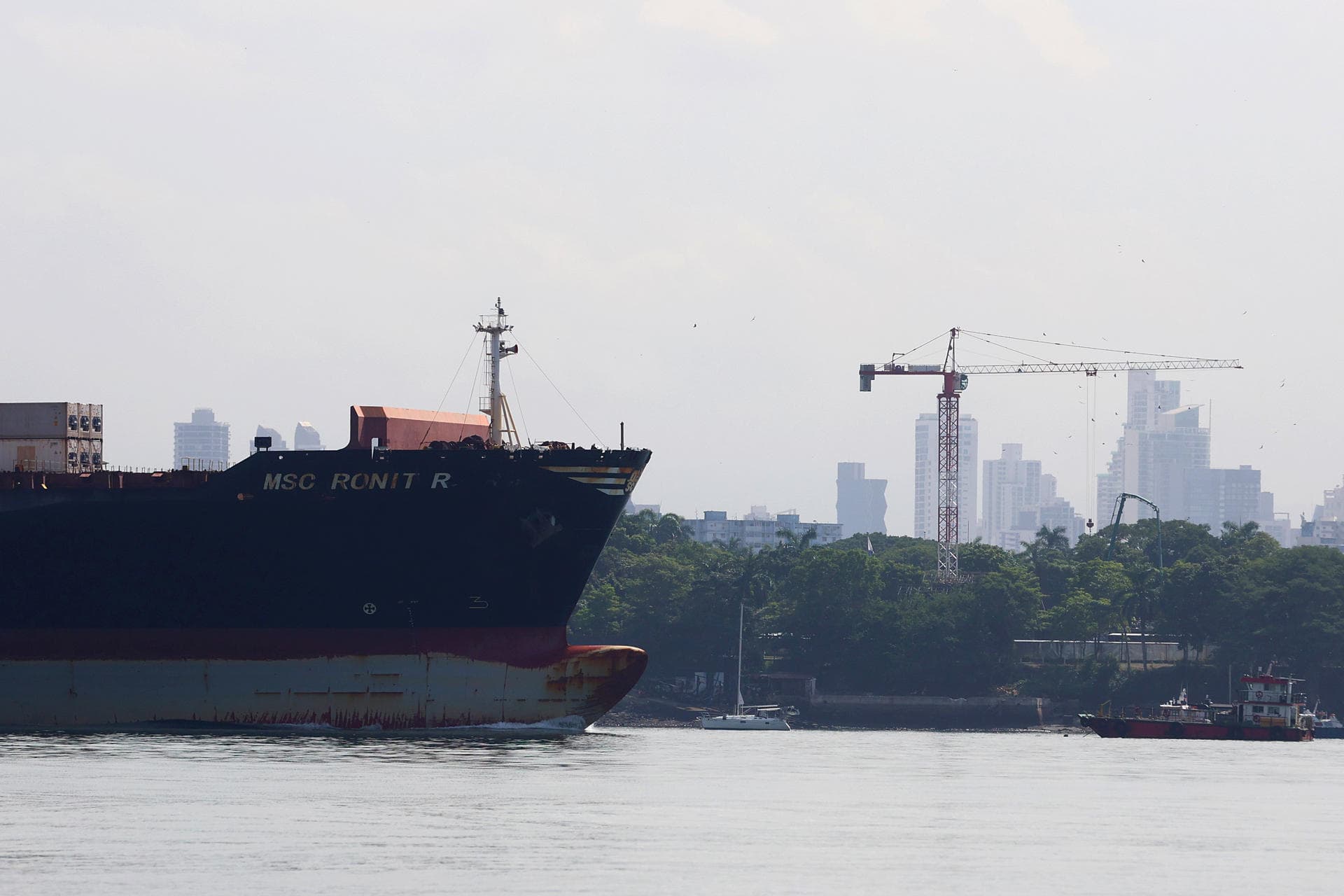
Panama City — The Panama Canal Authority (ACP) on Friday reduced the maximum authorized draft for vessels transiting its Neopanamax locks from 50 feet (15.24 meters) to 49.5 feet (15.09 meters), citing preparations for a potentially strong El Niño weather pattern expected later this year that could persist into 2027.
The adjustment, which took effect Friday, is a preventive measure designed to protect water resources while maintaining normal canal operations. Canal officials said the reduction will not affect the number of daily vessel transits and is expected to impact fewer than 1.7% of Neopanamax ships using the waterway.
The Panama Canal, which handles an estimated 3% to 5% of global maritime trade, depends on freshwater from Gatun Lake and Alajuela Lake to operate its lock system. Those reservoirs also supply drinking water to more than half of Panama’s population.
A vessel’s draft—the depth of its hull below the waterline—determines how much cargo it can safely carry. By lowering the maximum allowable draft, some ships may need to reduce cargo loads before transiting the canal, potentially increasing transportation costs and affecting toll revenues, which are based largely on cargo volume.
The Canal Authority said the decision was based on current and projected water levels at Gatun Lake and forms part of a broader water management strategy launched in December 2025 in anticipation of the 2026 dry season and the possible development of El Niño conditions during the second half of the year.
Officials described the measure as a routine operational adjustment, noting that it had not been necessary earlier this year because Panama experienced an unusually wet rainy season.
The announcement comes less than three years after the canal faced one of the most severe operational disruptions in its history. During the 2023 drought, intensified by El Niño, canal authorities gradually reduced the maximum draft to 44 feet (13.4 meters) and cut daily vessel transits to as few as 22 ships, down from the normal 35 to 36 vessels per day. Those restrictions remained in place for nearly a year, disrupting global shipping schedules, increasing freight costs and forcing some carriers to reroute cargo.
The latest adjustment signals that while conditions are currently more favorable than in 2023, canal authorities are taking early steps to preserve water resources and avoid more severe operational restrictions if dry conditions intensify later this year.