PRMA leaders point to $2.7 billion in new commitments and nearly 2,800 jobs, but warn an aging, shrinking workforce could stall expansion unless reshoring and talent policies take hold
From the Oct. 2026 CB Print Edition.
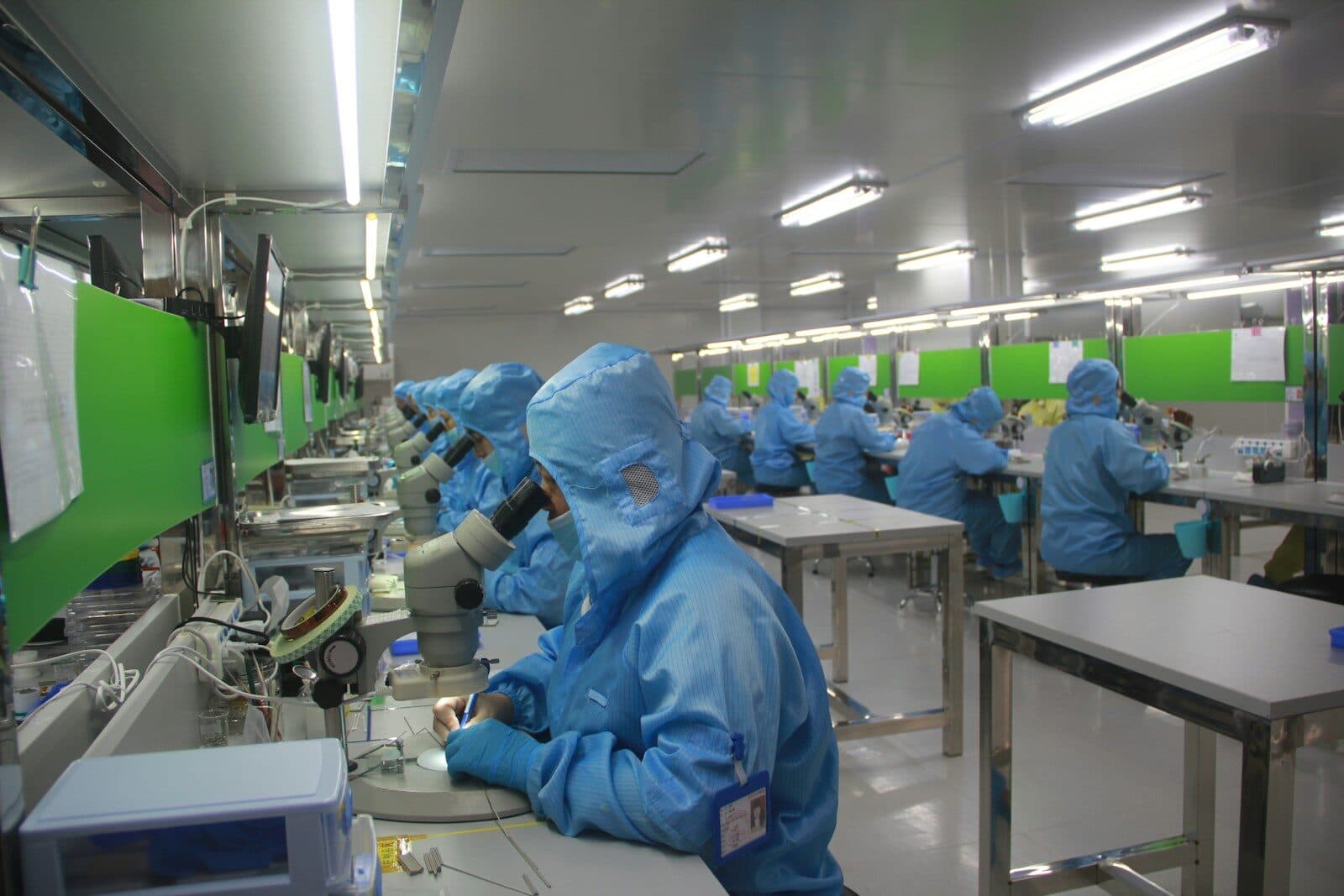
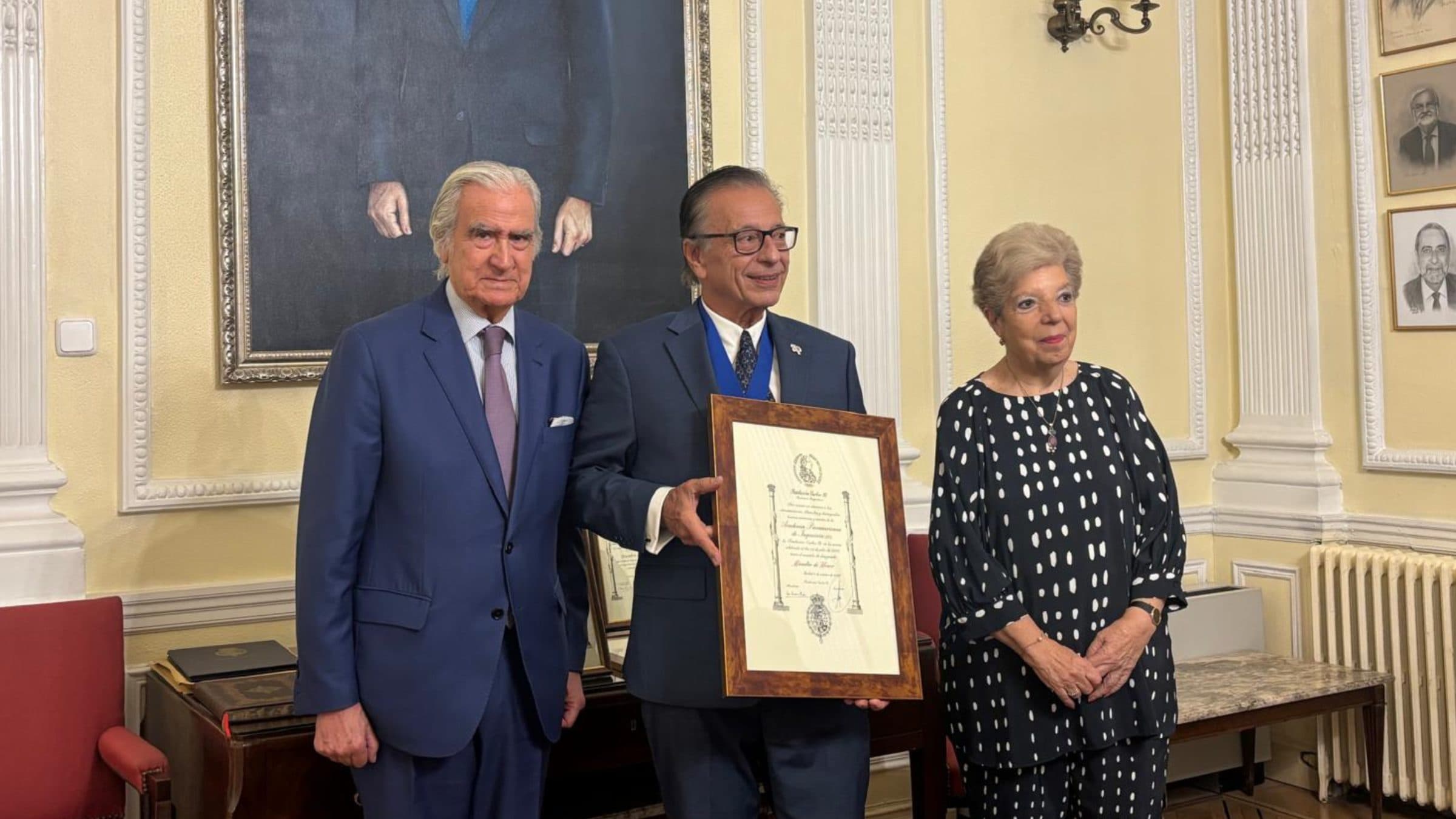
Puerto Rico’s manufacturing sector faces a growing workforce shortage that threatens to undermine expansion plans, even as companies have committed billions of dollars in new investments that would create thousands more jobs on the Island, Puerto Rico Manufacturers Association (PRMA) President Rafael Vélez Domínguez and CEO Karen Mojica said in an interview for the October print edition.
“We have an enormous problem of human capital available to work,” Vélez said, pointing to demographic trends showing that Puerto Rico’s population is aging rapidly while many working-age residents continue relocating to the mainland United States.
At the same time, both leaders emphasized that manufacturers continue to expand their footprint in Puerto Rico. According to the PRMA, commitments made by companies between September 2025 and September 2026 amount to nearly 2,800 new jobs and approximately $2.7 billion in planned investments. Manufacturers typically make commitments on three- to five-year timelines, they said.
The PRMA leaders argued that Puerto Rico retains significant competitive advantages despite its demographic challenges. They explained that the Island is the leading producer of Hispanic engineers in the Americas and has six times the concentration of pharmaceutical and medical-device manufacturing experts found across the U.S. as a whole.
Vélez also highlighted manufacturing’s economic impact, noting that the sector pays an average three times more than Puerto Rico’s average salary and supports more than 80,000 direct jobs. Mojica said every manufacturing position generates three additional indirect jobs, while each manufacturing employee contributes approximately $680,000 to Puerto Rico’s gross domestic product through export-driven production.
Challenges in education and workforce development
The PRMA leaders argued that addressing the challenge will require a long-term commitment to education and workforce development. Companies should increasingly focus on retraining older workers and extending workforce participation among experienced employees. “People in their second and third stages of life can be retrained, reskilled and maintained in the workforce to fill that space,” stated the PRMA.
The organization is also advocating for policies that encourage Puerto Rico’s professionals to return to the Island and attract other workers from abroad.
“We want to create opportunities here because we don’t want that talent to leave and work elsewhere,” the PRMA leaders said. “We also have to attract people from other countries, not necessarily Puerto Ricans, to work here, because this industry is the best-paying industry.”
Quo vadis reshoring?
A major focus of the Association’s agenda is reshoring, the effort to bring manufacturing and supply chains closer to U.S. markets.
Rather than concentrating solely on recruiting new multinational operations, the PRMA believes Puerto Rico has an opportunity to attract suppliers needed by pharmaceutical, medical-device and other manufacturers already operating on the Island.
“All these manufacturers that are here need to strengthen their supply chains, their raw materials, their services, their parts and their components,” Vélez said. He noted that Puerto Rico once hosted many of those supplier operations. “When Panasonic was here, the parts they used were manufactured here. Those factories left,” he said.
Today, manufacturers continue to import many essential inputs. “Even though we have pharma here right now, they need essential parts, components, raw materials and APIs (active pharmaceutical ingredients) that are currently manufactured elsewhere. That’s a reshoring opportunity,” Association leaders said.
Opportunities abound
The Association is pressing for greater resources to market Puerto Rico internationally as a destination for investment. According to the PRMA, Invest Puerto Rico, the public-private entity responsible for attracting foreign direct investment, does not currently receive sufficient funding to compete against other jurisdictions.
“What Puerto Rico needs to promote itself adequately is at least $37 million a year,” Mojica said. “Invest receives five.” The group contrasted that funding level with the $25 million allocated annually by law to the island’s tourism promotion. Stronger support for investment attraction is critical to competing with U.S. states and foreign jurisdictions such as the Dominican Republic, Panama and Costa Rica.
Manufacturers also identified defense contracting as a promising growth area. According to the Association, about 70% of U.S. military uniforms, along with other products including parachutes and packs, are already manufactured in Puerto Rico by companies employing roughly 12,000 workers.
The tandem emphasized that changes being promoted under the Berry Amendment, which requires the Department of Defense to prioritize items produced in the U.S., could create opportunities for additional local production, including military components and supplies.
“There is potential to capture more of that market and attract companies to Puerto Rico that create components needed by those firms operating here today,” they said.
Association officials also urged greater emphasis on research and development (R&D). They pointed to tax incentives that can reimburse up to 50% of qualifying R&D expenditures and said Puerto Rico should focus on generating intellectual property, patents and commercialization activity on the island rather than exporting those benefits elsewhere.
The PRMA has signed a memorandum of understanding with the Molecular Sciences Research Center at the University of Puerto Rico to help expose manufacturers to local scientific and research capabilities.
“We are very much about the private sector offering solutions and perspectives,” Mojica said. “Not simply criticizing. Criticism alone doesn’t build anything. You have to contribute.”
Despite the workforce challenges ahead, the PRMA expressed confidence that Puerto Rico remains well positioned to benefit from reshoring trends and future manufacturing investment, provided the Island can continue developing talent, attracting workers and marketing its industrial strengths more aggressively.