Walmart holds Open Call PR in Canóvanas for producers
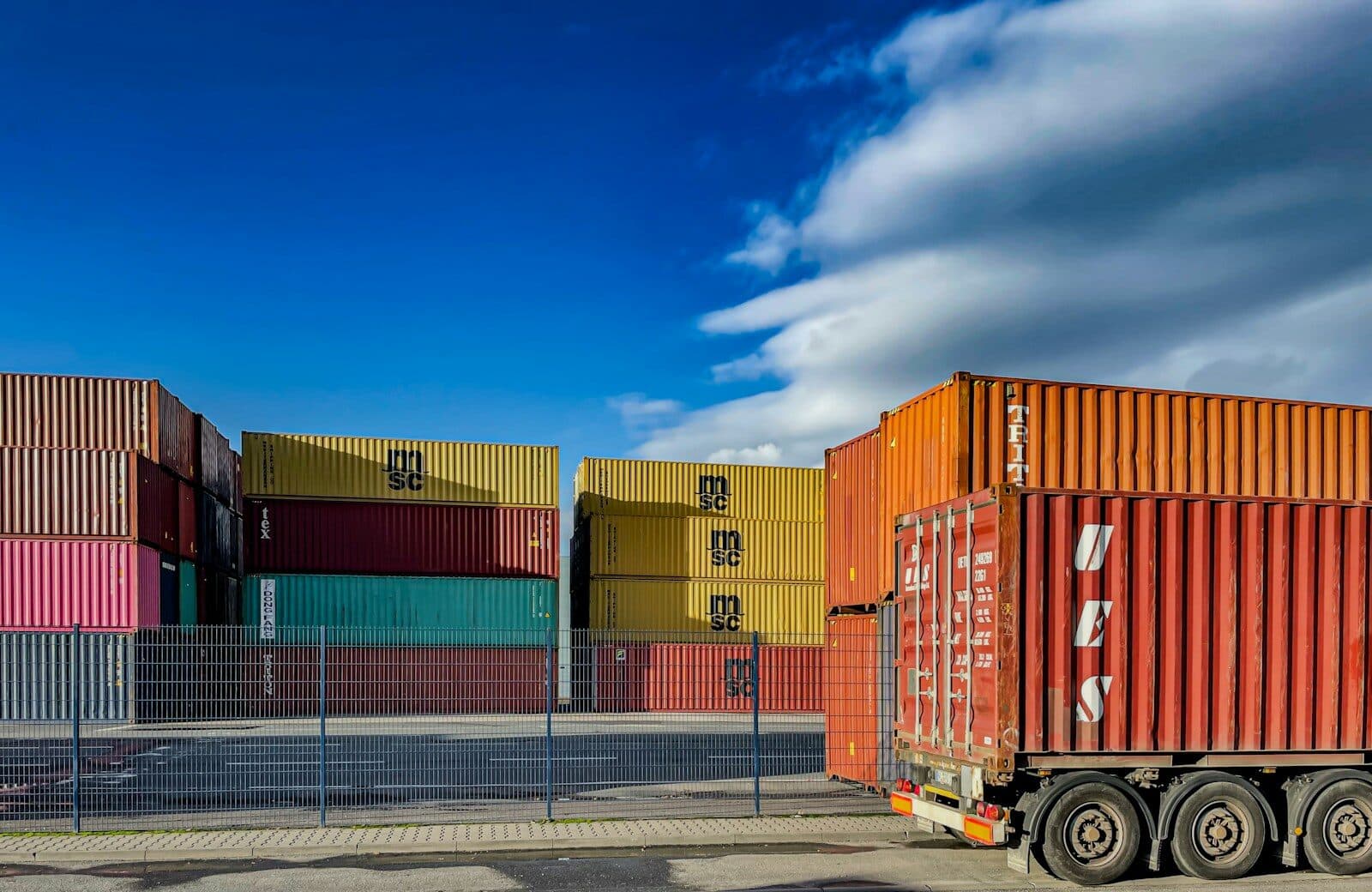
Puerto Rico’s heavy dependence on imported goods is leaving households and businesses exposed to global price shocks, a vulnerability that has become harder to ignore after pandemic-era supply bottlenecks, higher freight costs, geopolitical conflicts and climate-related disruptions pushed up the cost of basic goods.
The island imports roughly 85% of the food it consumes, making consumer prices especially sensitive to shipping costs, commodity markets and shortages in the places that supply Puerto Rico. Economists and food-security advocates say that dependence can magnify external disruptions in a market with limited local production capacity.
New research by economist and University of Puerto Rico professor José Caraballo-Cueto suggests targeted import substitution could help reduce that exposure. The study found that local farmers had lower prices than import costs in 30 of 74 agricultural goods analyzed, and that replacing imports in just five high-volume crops—corn, peppers, tomatoes, grapefruit and yautía—could generate up to $117.8 million in annual economic activity when indirect multiplier effects are included.
Against that backdrop, Walmart Puerto Rico has launched new edition of its Open Call PR program to identify locally manufactured, processed, distributed or harvested products that can enter its retail supply chain.
Local entrepreneurs have until Oct. 2 to register for the event, with meetings scheduled for Oct. 14 and Oct. 15 at Walmart’s headquarters in Canóvanas.
Caraballo-Cueto’s research examined private price data at several points in the agricultural supply chain, including importers, supermarkets, restaurants, family markets and direct-to-consumer sales. The findings challenge the broad assumption that small, import-dependent economies cannot produce agricultural goods at competitive prices.
The study found local farmers’ prices were not generally lower than importer prices across the board, but they were consistently and statistically lower than supermarket prices, family-market prices and direct-to-consumer prices. Farmers’ prices were 32.9% lower than supermarket prices on average and 51.8% lower than direct-to-consumer prices.
Those findings point to a narrower but potentially practical strategy: focus on goods where Puerto Rican producers already show a price advantage, rather than treating food self-sufficiency as an all-or-nothing goal.
Coral Cummings, director of corporate affairs at Walmart Puerto Rico, said the company sees local sourcing as a way to strengthen the island’s productive capacity while reducing reliance on imports. In written remarks, she described Open Call PR as part of Walmart’s long-term strategy to help Puerto Rican families “save money and live better.”
Cummings said substituting imported goods with local alternatives can help stabilize prices, support job creation and expand business activity across sectors. Suppliers that join Walmart’s network may also gain access to U.S. stores, creating export opportunities for companies able to scale.
Jennifer Garland, senior director of merchandising at Walmart Puerto Rico, said the company provides training and guidance throughout the Open Call process to help entrepreneurs prepare proposals that meet retail standards. Walmart also promotes local products through initiatives such as the “Made Here, For You” seal, which highlights items produced on the island.