The most liveable cities in the world are located in wealthy countries in Europe and Australia. Copenhagen leads the field – its second consecutive year as no. 1 – followed by Vienna, Melbourne, Sydney and Zurich.
The 2026 report also noted that New York City, where many people of Puerto Rican heritage live, is now ranked no. 66, moving up three spaces. “[New York City’s] gains were all in the stability category, following years of falling crime rates and lower risks of terrorist attacks,” said the EIU.
The least liveable city in the world is Damascus, which has languished at the bottom since 2013, due in large part to a years-long civil war. The Syrian capital was followed by Tripoli (Libya), Dhaka (Bangladesh), Karachi (Pakistan) and Algiers (Algeria).
“The [EIU] ranking is designed to help HR departments calculate hardship allowances for overseas staff. It scores 173 cities across five categories: health care, culture and environment, education, infrastructure and stability,” said The Economist.
The concept of liveability focuses on which cities around the world provide the best or worst living conditions for their residents. Certainly, military conflicts/war and poverty are prime determinants, as are the availability and quality of key services to the population.
“[The] EIU’s Global Liveability Index evaluates living conditions across 173 cities, providing a globally recognised benchmark for urban liveability and resilience. By measuring indicators across stability, healthcare, culture and environment, education and infrastructure, the index quantifies the challenges presented to an individual’s lifestyle in any given location,” according to the 2026 report.
The concept of stability evaluates indicators of petty crime, violent crime, military conflict and civil unrest.
Healthcare evaluates the availability and quality of both public and private healthcare, as well as healthcare indicators of the local population.
Culture and environment factors in weather conditions (temperature and humidity), “discomfort of climate,” levels of corruption, food and drink, and the availability of consumer goods and services, among others.
Education evaluates the availability and quality of public and private education, as well as education indicators of the local population.
Infrastructure is the last category, and among the indicators evaluated are the quality of the road network, public transportation, electricity and water services, housing and telecommunications.
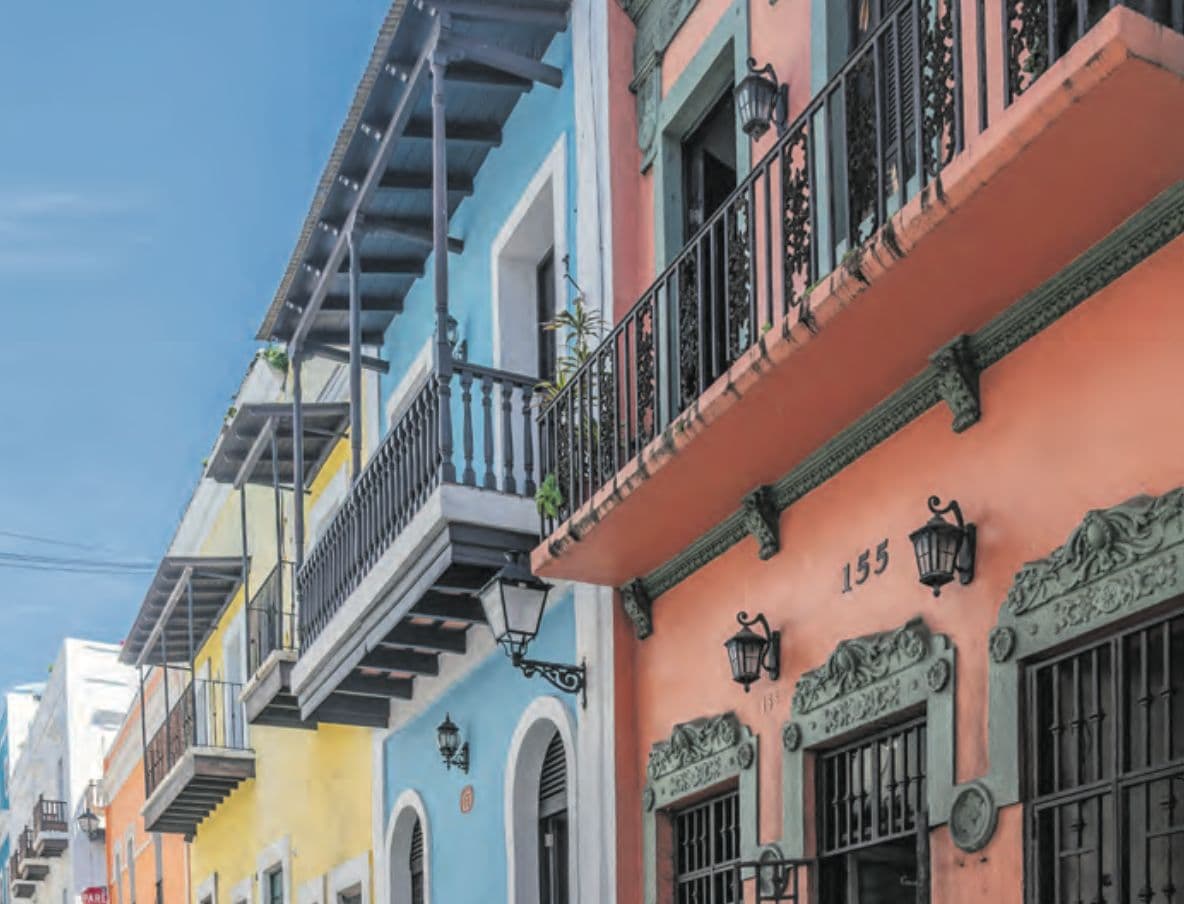
San Juan arguably scores low in this area as for years, Puerto Rico has suffered from regular electricity blackouts and lack of water services. At the same time, public transportation is weak, with many roads and highways often congested with traffic.
Recent Water Service Interruptions
As a case in point, more than 110,000 San Juan area residents and businesses have experienced days-long interruptions in their water services in recent weeks, due in large part to a massive breakdown in the Superaqueduct water distribution system and ongoing maintenance work at the Carraízo Dam and the Sergio Cuevas Water Filtration Plant.
Some sectors, notably parts of Santurce and Calle Loíza in San Juan, and the Isla Verde and Piñones areas of Carolina, were without water service or had low water pressure for more than 10 days.
With daily lives and local businesses seriously affected during the water emergency, the Municipality of San Juan established water distribution sites around the capital city and portable bathrooms around Old San Juan.
What Makes a City Liveable?
According to the Urban Studies Institute, a liveable city is much more than the sum of its buildings, roads and public spaces. A liveable city is one that provides well-being, essential services, safety and opportunities for its residents and businesses alike.
At its core, a city’s liveability revolves around several interconnected factors, such as the accessibility and quality of key services, infrastructure, healthcare, education, culture and the environment. Together, these factors define a city’s quality of life and long-term resilience.
Accessibility underpins the daily ease of living in a city. Urban environments that enable residents to reach their workplaces, schools, healthcare, culture and recreational areas efficiently through diverse modes of transportation, whether it is by car, public transportation, walking, bicycling, and these days, even scootering.
Efficient modes of transportation allow residents to live their daily lives with ease, reduce dependence on cars, reduce traffic congestion and encourage healthier lifestyles.
At the same time, water and electricity infrastructures are essential to a city’s liveability. Clean drinking water and reliable electricity are vital for public health and daily life. These utilities not only provide essential services, but they also promote economic activities that benefit residents and local businesses.
Access to quality education and healthcare also ensures that residents have opportunities to develop and lead healthy lives, while public safety and stability cultivate a security that is essential for daily life.