Federal disaster designation opens emergency loans and relief programs for 26 PR municipalities
Puerto Rico is not the only U.S. jurisdiction turning to Washington for drought relief this month. The U.S. Virgin Islands received an almost identical disaster declaration from the U.S. Department of Agriculture the same week, prompting USVI Gov. Albert Bryan to say the designation “does not make the drought disappear, but it gives our farmers another tool,” language nearly identical to what Gov. Jenniffer González Colón used to describe Puerto Rico’s own declaration.
By early August, Virginia had become the first state in 2026 to have every one of its counties designated a drought disaster area, and multi-state designations covering parts of Mississippi, Missouri, Arkansas, Louisiana, Oklahoma, Tennessee, Texas, Illinois and Pennsylvania round out what is shaping up as one of the most geographically widespread drought years the USDA’s disaster program has processed in some time.
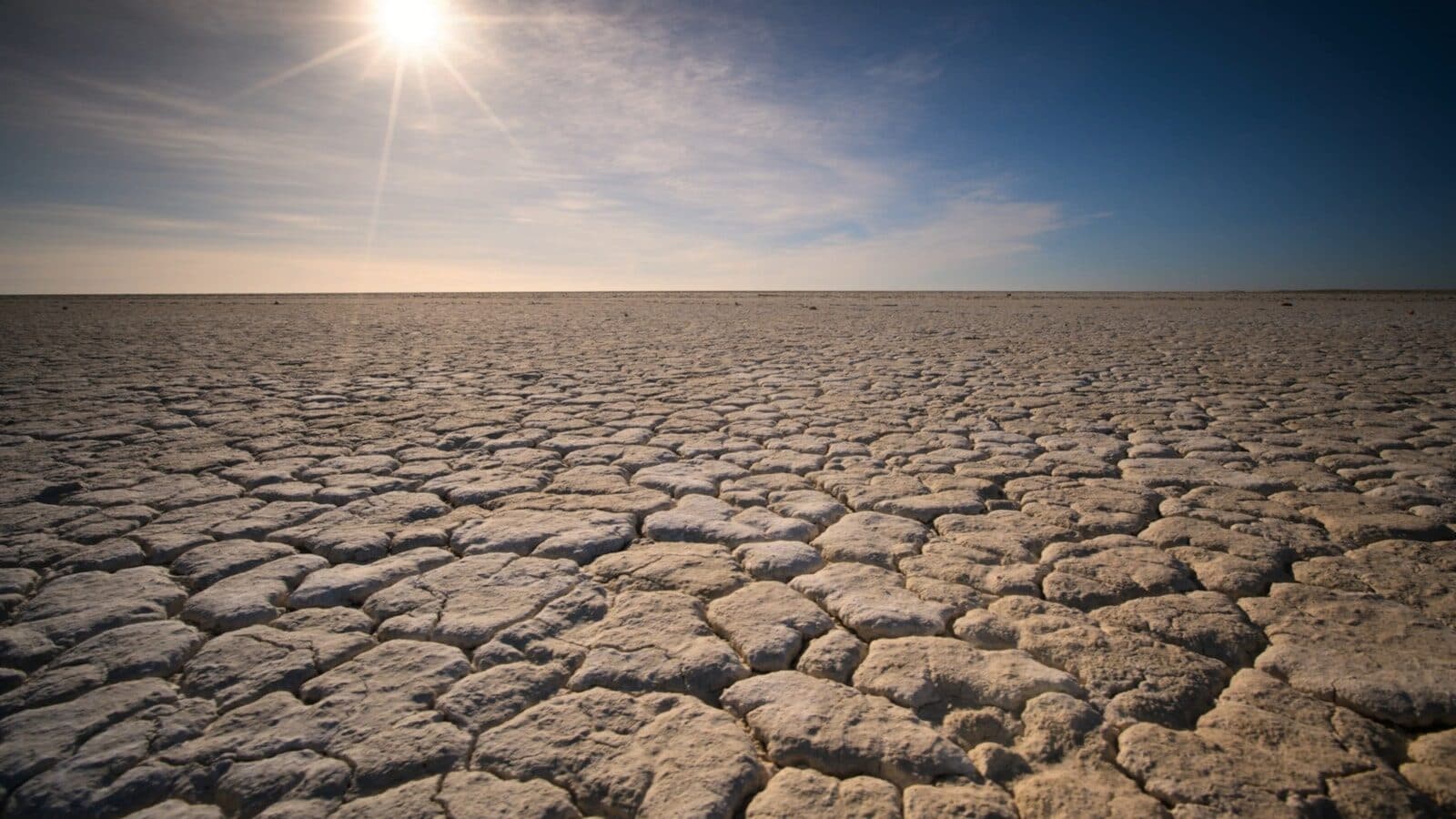
Puerto Rico’s agricultural industry is poised to gain access to new federal financing and relief programs after the USDA approved a drought disaster declaration for 26 municipalities, a move expected to inject critical support into a sector strained by months of declining rainfall and escalating operational losses.
The declaration follows warnings from Puerto Rico’s private sector that the broader drought and water crisis, not limited to agriculture, is costing the island’s economy up to $80 million a day, as Caribbean Business reported earlier today, and it arrives as forecasters warn a historic El Niño could extend dry conditions into 2027.
González Colón confirmed the designation Wednesday, noting that the request was submitted August 10 under USDA’s Fast-Track process to accelerate assistance for producers facing severe drought-related disruptions.
The declaration enables farmers to apply for emergency loans and multiple federal programs designed to stabilize operations, offset losses, and maintain production capacity.
“This declaration represents an additional tool for our farmers at a time when they are facing difficult conditions,” González Colón said, emphasizing that the administration sought immediate federal action to mitigate mounting financial pressures across the industry.
What the declaration unlocks
The affected municipalities, spanning major agricultural zones in the south, southwest, and central regions, now qualify for USDA’s Emergency Loan Program, which can cover essential property replacement, production costs, and certain refinancing needs. Additional programs available through the Farm Service Agency include livestock forage assistance, emergency conservation funding, indemnity payments, and noninsured crop support.
For producers, the declaration could mean access to capital at a moment when drought has reduced yields, damaged pastureland, strained irrigation systems, and increased operational expenses. The prolonged dry period has also heightened concerns about long-term productivity and food security, adding urgency to federal intervention.
Puerto Rico Agriculture Secretary Irving Rodríguez Torres urged farmers to document losses thoroughly and verify their registration with the FSA to avoid delays. “While the declaration advances the assistance process,” he said, “producers must be prepared. Accurate records and evidence of damage will be essential for determining eligibility.”
The federal designation complements the governor’s July 31 emergency declaration, which authorized extraordinary measures to manage water resources and mobilize government support. Industry leaders say the combined actions could help stabilize the sector as it confronts one of the most challenging mid-year growing seasons in recent memory, though the scope of relief will ultimately depend on how quickly individual producers document their losses and how long the underlying drought persists.