A Medicare Advantage Fix Could Be Worth $1.5 Billion a Year to Puerto Rico’s Health Care Economy, Insurers Say
A bipartisan bill to lift the island’s payment formula to the Virgin Islands’ level would reach insurers, hospitals and physicians in a sector under financial strain, and in an economy that is aging fast
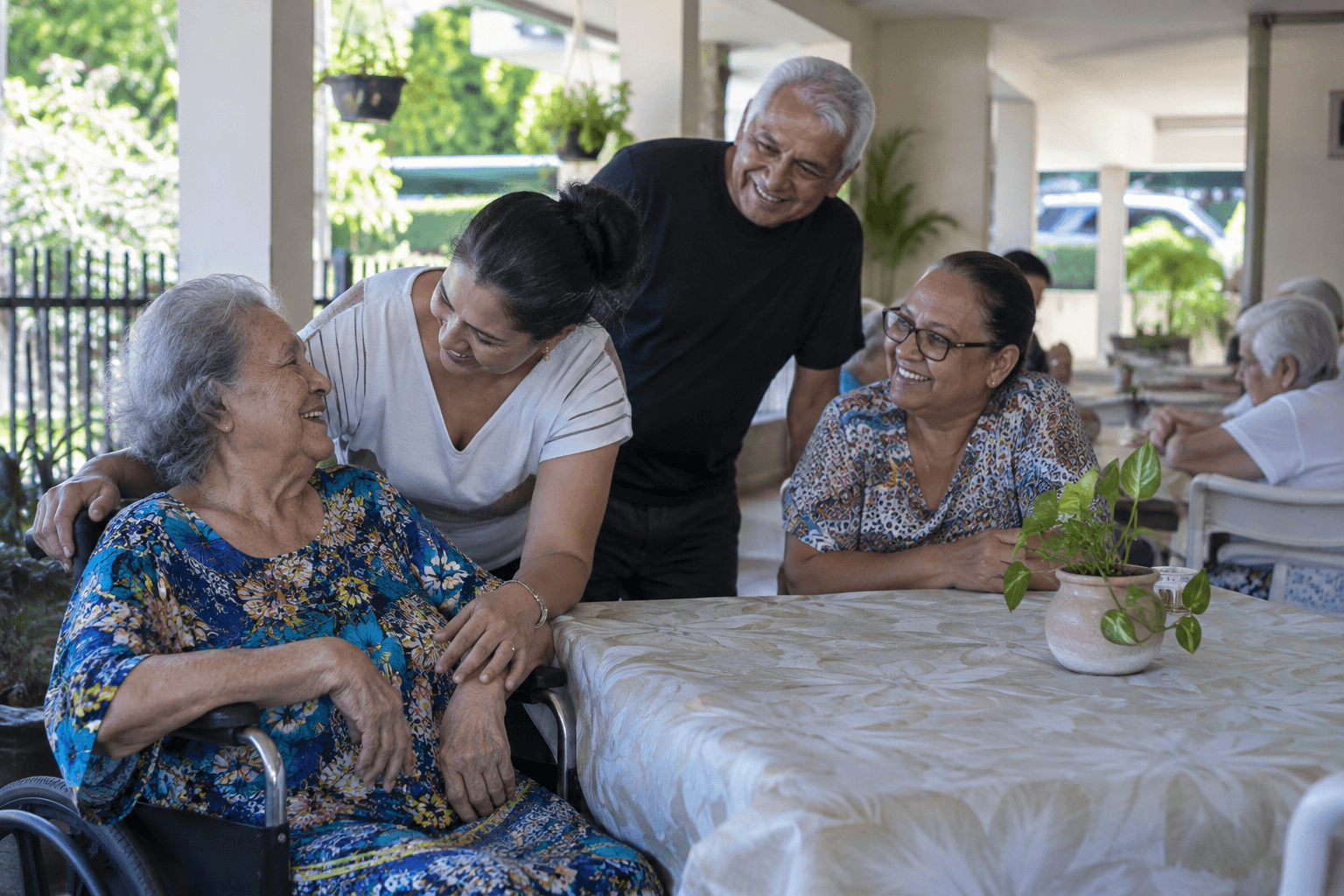
A bipartisan group of lawmakers is moving to correct a long-standing Medicare Advantage payment imbalance that has placed Puerto Rico at a competitive disadvantage, introducing legislation that could reshape the island’s healthcare financing and stabilize a market relied upon by more than 680,000 seniors.
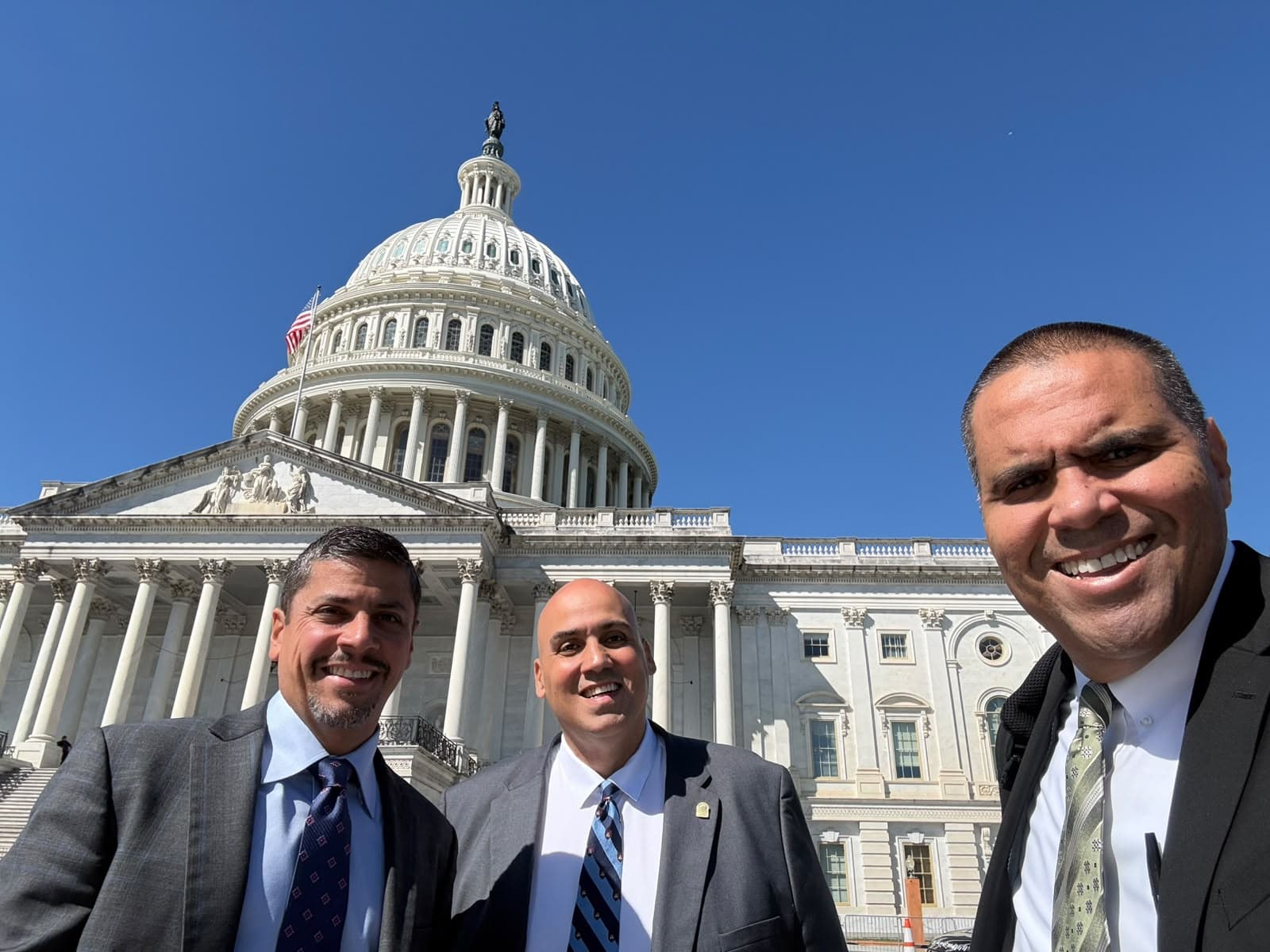
According to a statement on Tuesday, the Puerto Rico Medicare Advantage Fairness Act, filed by Rep. Gus Bilirakis (R-FL), Rep. Raul Ruiz, M.D. (D-CA), Rep. Darren Soto (D-FL) and Resident Commissioner Pablo José Hernández (D-PR), proposes a targeted fix to the federal formula used to determine Medicare Advantage (MA) benchmark payments.
Beyond the politics, the bill puts a price on one of the largest revenue streams in the local economy. Medicare Advantage covers about 96% of the island’s Medicare-eligible residents and represents more than $10 billion a year, speakers said at the Puerto Rico Health Insurance Conference in March, as Metro reported. (Metro is a sister publication of Caribbean Business.)
The Medicaid and Medicare Advantage Product Association of Puerto Rico (MMAPA), the insurers’ trade group, estimates that raising the island’s rate to the Virgin Islands’ level would bring in about $1.5 billion. That money would go first to the plans and then, in theory, to the hospitals and doctors they pay.
What the gap is worth
MMAPA puts Puerto Rico’s base monthly payment at $672, compared with $847 in the Virgin Islands and $1,102 nationally. The group says the gap to the national average reached 41% in 2026, or about $9,000 less per person each year.
Annual rate decisions have made the picture volatile. MMAPA said 2026 payments for Puerto Rico fell 1.11%, while plans nationally received a 5.06% increase. For 2027, the Centers for Medicare & Medicaid Services finalized a 2.48% national average increase, while published reports put Puerto Rico’s at 4.01%, the first time the island has exceeded the national figure.
“The healthcare system is foundational to every other sector,” Andres Estrada, the Chamber’s healthcare policy lead, said in CB’s earlier reporting. “This is not just a health issue. It’s an economic issue.”
Those reports said a federal pause on changes to the risk adjustment formula preserves about $561 million a year for island beneficiaries. Even so, the governor said payments remain about 40% below the national average.
A permanent formula change, supporters argue, would replace year-to-year uncertainty with a floor that plans and providers can budget against.
How the bill would change the formula
The bill would align Puerto Rico’s average geographic adjustment (AGA) with that of the U.S. Virgin Islands, a change supporters say would more accurately reflect the true cost of delivering care on the island.
Under current rules, MA plans receive a fixed monthly payment per enrollee, partly based on local healthcare costs measured through the AGA. But because the formula relies on spending in traditional Medicare fee-for-service, a model used by only a small fraction of Puerto Rico’s Medicare population, the island’s AGA is artificially low.
That accounts for the 40% less in Puerto Rico per MA beneficiary than the national average and about 20% less than the U.S. Virgin Islands.
Industry warnings and lawmakers’ reactions
Industry stakeholders have long warned that the disparity has weakened Puerto Rico’s healthcare ecosystem, contributing to narrower provider networks, reduced benefits and lower reimbursements for physicians and hospitals.
The funding gap has also complicated efforts to retain medical professionals and maintain service availability across the island.
Bilirakis said the legislation aims to ensure that seniors in Puerto Rico receive equitable access to care. “Medicare Advantage plays an important role in delivering care to beneficiaries across Puerto Rico, and we must ensure the program is funded fairly and sustainably,” he said.
Ruiz, an emergency physician, underscored the economic strain on providers. “Puerto Ricans pay into Medicare on the same terms as every American, yet their Medicare Advantage plans are paid about 40 percent less,” he said. “That gap has shrunk provider networks, cut benefits and strained doctors and hospitals.”
Soto framed the bill as part of a broader push toward parity between Puerto Rico and the mainland. Hernández noted that the measure builds on recent increases in MA funding secured earlier this year, calling the bill “the next step to fix a longstanding funding disparity.”
Governor Jenniffer González-Colón also endorsed the proposal, saying the adjustment would deliver a “much-needed boost” to residents, the healthcare sector and the island’s broader economy, the statement noted.
The legislation would create a self-adjusting mechanism linking Puerto Rico’s AGA to that of the U.S. Virgin Islands, ensuring that future changes in one territory’s benchmark automatically apply to the other. Supporters argue the approach offers a durable correction to a formula that has never accurately captured Puerto Rico’s healthcare costs.
Hospitals, doctors and insurers: who is exposed
Of Puerto Rico’s 42 hospitals, 62.6% operate with negative margins and 17 are at risk, according to figures presented at the March conference. The president of the Colegio de Médicos Cirujanos, Dr. Carlos Díaz, told Metro last year that between 17 and 24 private hospitals could face closure or bankruptcy within two years.
Díaz also said the island has about 3,000 active primary care physicians, with critical shortages in neurosurgery, cardiology, oncology and psychiatry, and more than 30 municipalities without an available psychiatrist.
He cited a study saying 87% of physicians who emigrate do so because of insurer mistreatment and bureaucracy, and accused insurers of freezing rates for decades.
Insurers place the root cause in Washington. MMAPA has said plans must adjust services and benefits when federal payments fall short of cost growth. The Triple-S executive in charge of its Medicare business told the March conference that Medicare Advantage in Puerto Rico should be seen as a low-risk, high-return investment for the federal government.
The disagreement points to the question that matters most for the business community: whether additional federal dollars would reach providers. The bill’s operative section changes the formula and does not appear to direct how plans spend the added payments, so the outcome would depend on contracts between plans, hospitals and physicians.
An aging market and a major employer
The stakes extend beyond health care companies. About 24.6% of Puerto Rico residents are 65 or older, according to figures presented at the conference, and the Institute of Statistics reported this year that the island’s aging index rose from 168 in 2020 to 237 in 2025, meaning 237 people 65 and older for every 100 under age 15.
Health care and social assistance employed about 95,900 people in August, according to the Bureau of Labor Statistics data series published by the Federal Reserve Bank of St. Louis. The sector’s finances affect hiring, building and supply contracts, and the ability of employers to recruit professionals who weigh the quality of local care.
That is the argument the Chamber of Commerce has made in Washington. “The healthcare system is foundational to every other sector,” Andres Estrada, the Chamber’s healthcare policy lead, said in CB’s earlier reporting. “This is not just a health issue. It’s an economic issue.” The Chamber also warned of a $500 million annual Medicaid cliff beginning in September 2027, which would compound any Medicare Advantage shortfall.
What happens next
Momentum has grown. A letter to federal health officials from Resident Commissioner Hernández in February drew 17 members of Congress, up from 14 in 2025 and six in 2024, urging action on 2027 rates. The bill, H.R. 10747, has been referred to the House Ways and Means and Energy and Commerce committees.
A parallel route runs through the Centers for Medicare & Medicaid Services. Hernández’s letter urged the agency to set a national minimum payment level using existing federal authority, and the governor has called for a permanent solution for 2028, possibly through administrative adjustments that would bring the island up to parity with the states, according to published reports.
Its text applies to payment years beginning on or after January 1, 2027, but those rates are already final, and the Chamber has pushed for an adjustment effective in 2028.
Congress also has a record of acting on Puerto Rico health funding at the last minute, and MMAPA has said a Medicaid draft is not expected before the end of this year.