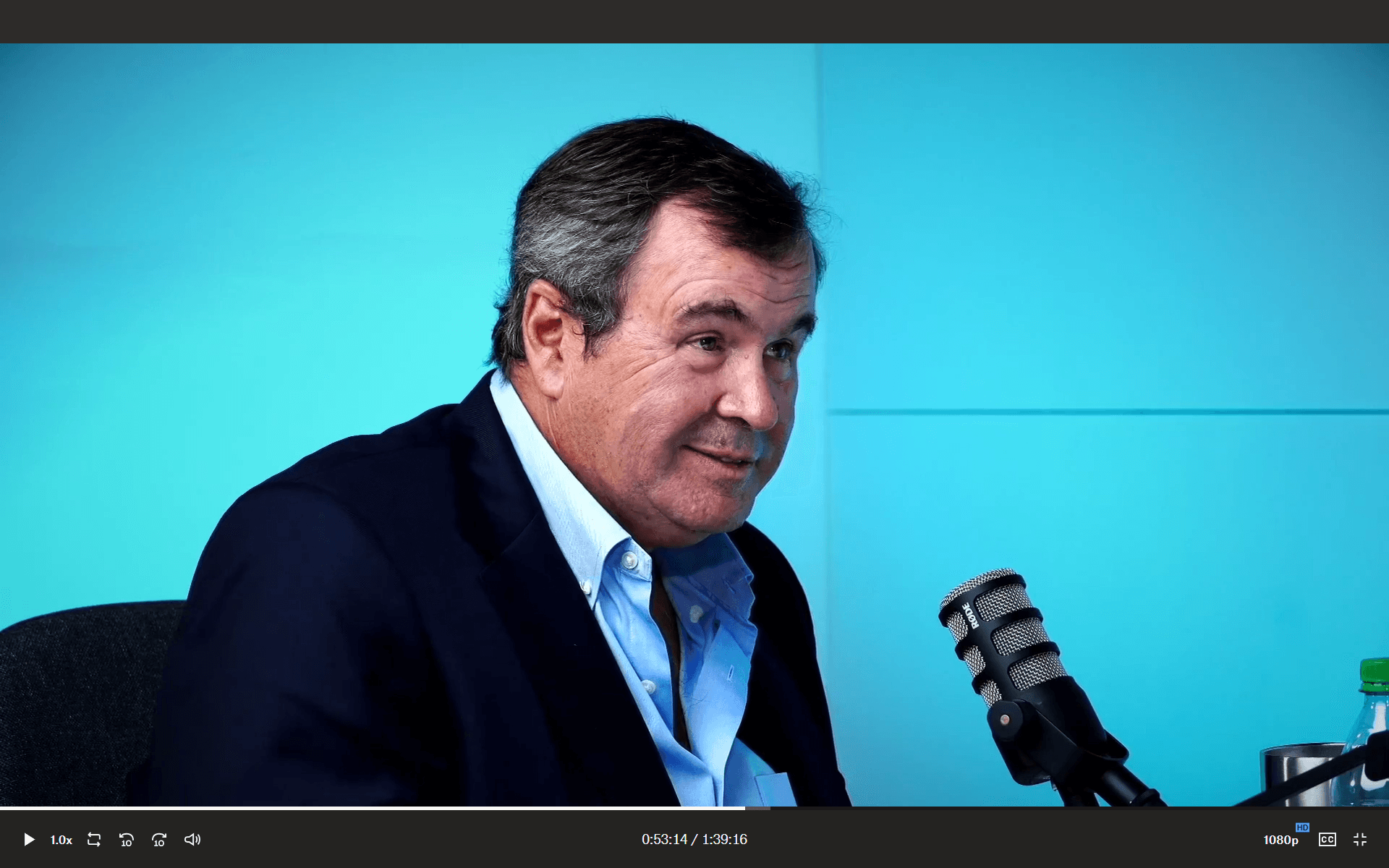
In 1995, Alberto de la Cruz arrived in Puerto Rico at age 27, an age when the possibility of failure barely crosses your mind, he recalls.
Today, he is president of CC1 Companies, a conglomerate that generates nearly $1 billion in annual sales and employs more than 2,500 people. His operations span Coca-Cola Puerto Rico Bottlers and, most recently, Suiza Dairy.
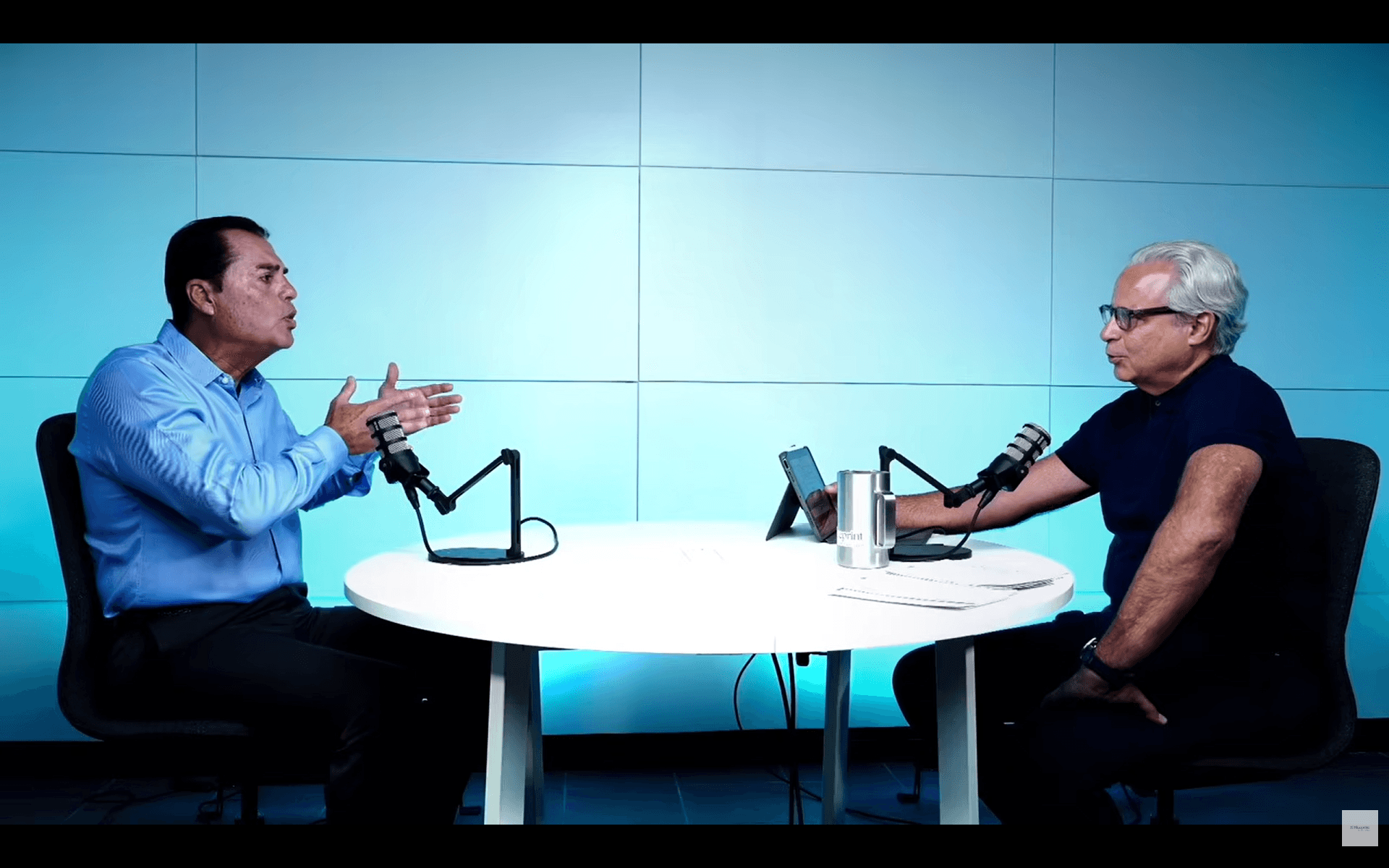
In a new episode of El Blueprint, de la Cruz sits down with Alberto Bacó Bagué to discuss the decisions, relationships and setbacks that have shaped his entrepreneurial journey.
His story began long before he arrived in Puerto Rico. While working in Florida’s automotive industry, he helped turn a Ford dealership into one of the largest in the state. At 25, he met with Roberto Goizueta, then chairman and CEO of The Coca-Cola Company, to propose a deal that would eventually change the course of his career.
“Coke’s gain is Ford’s loss,” de la Cruz recalls saying at the time.
De la Cruz attributes much of his success to having “godfathers” throughout his career and to a philosophy that places reputation above money.
From manufacturing to new acquisitions, de la Cruz shares the lessons behind building, losing and choosing to bet again.
But growth has also come with losses. During the episode, he recounts a major investment in a U.S. manufacturing plant that ran into difficulties during the pandemic. After spending two years searching for a buyer, the company was able to liquidate the asset and repay the bank, but lost the equity it had invested.
The experience reinforced a vision he shares with Bacó: fostering an abundance mindset, embracing calculated risks and strengthening a private sector capable of taking greater ownership of Puerto Rico’s economic future.
From manufacturing to new acquisitions, de la Cruz shares the lessons behind building, losing and choosing to bet again.
In today’s episode of El Blueprint, the auto executive tells Alberto Bacó Bagué how the valuation process helped turn the family business into a thriving leader in Puerto Rico’s automotive industry