Meliá to End Cuba Operations, Citing Impact of U.S. Embargo
Meliá to Halt All Operations in Cuba This Friday, Citing U.S. Embargo
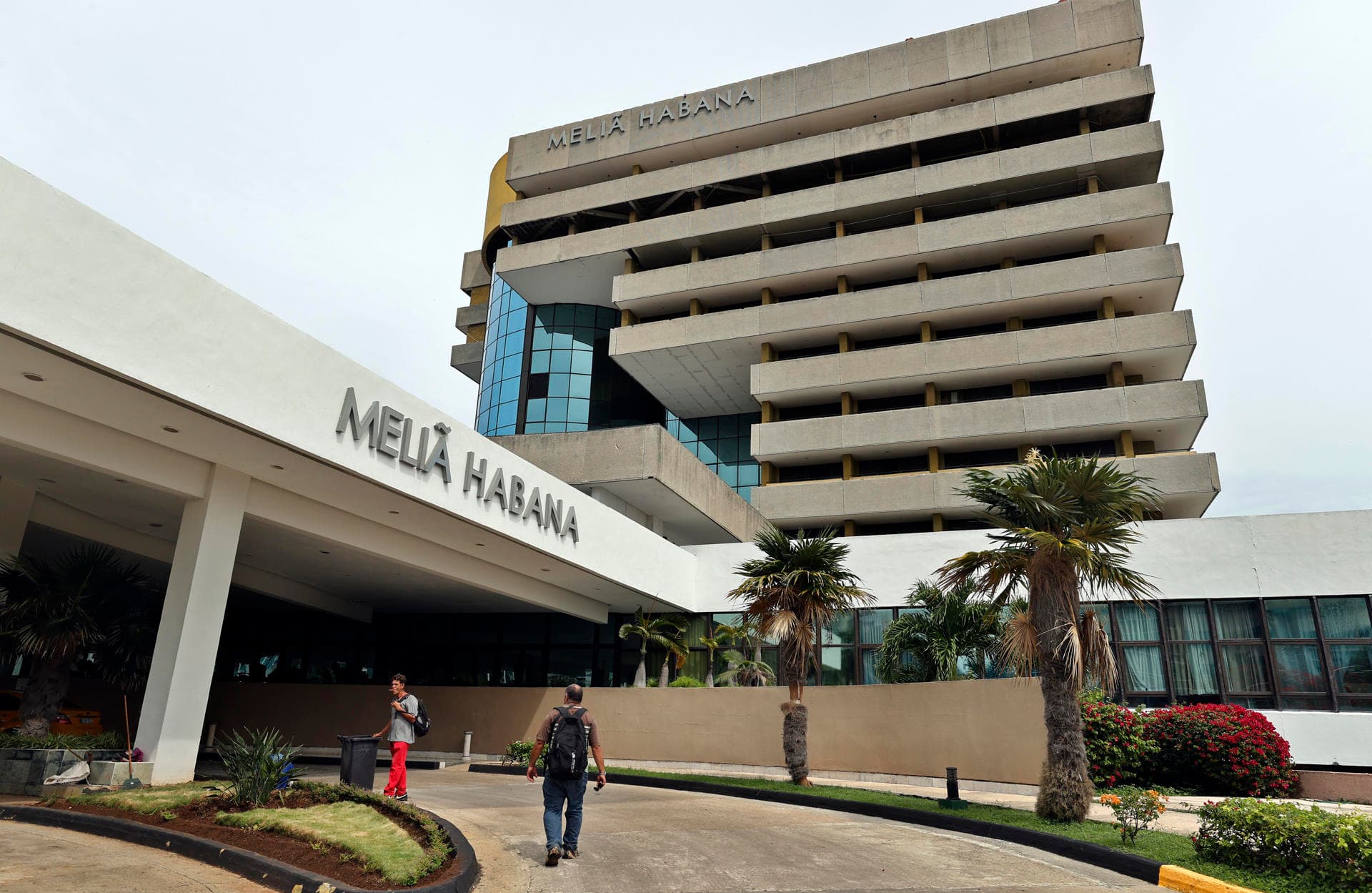
Meliá, the leading Spanish hotel chain and Cuba’s largest foreign hotel operator, will cease all operations on the island this Friday, July 24, citing “significant operational, legal, and economic-financial difficulties” in the country resulting from the U.S. embargo. Earlier this year, the company had already announced plans to end management at 15 of its 34 Cuban hotels.
As Meliá disclosed to Spain’s National Securities Market Commission (CNMV) on Tuesday, its Portuguese subsidiary, Ilha Bela Gestão e Turismo — through which it operates in Cuba under a management agreement — will stop providing management services at all of its hotels on the island effective July 24.
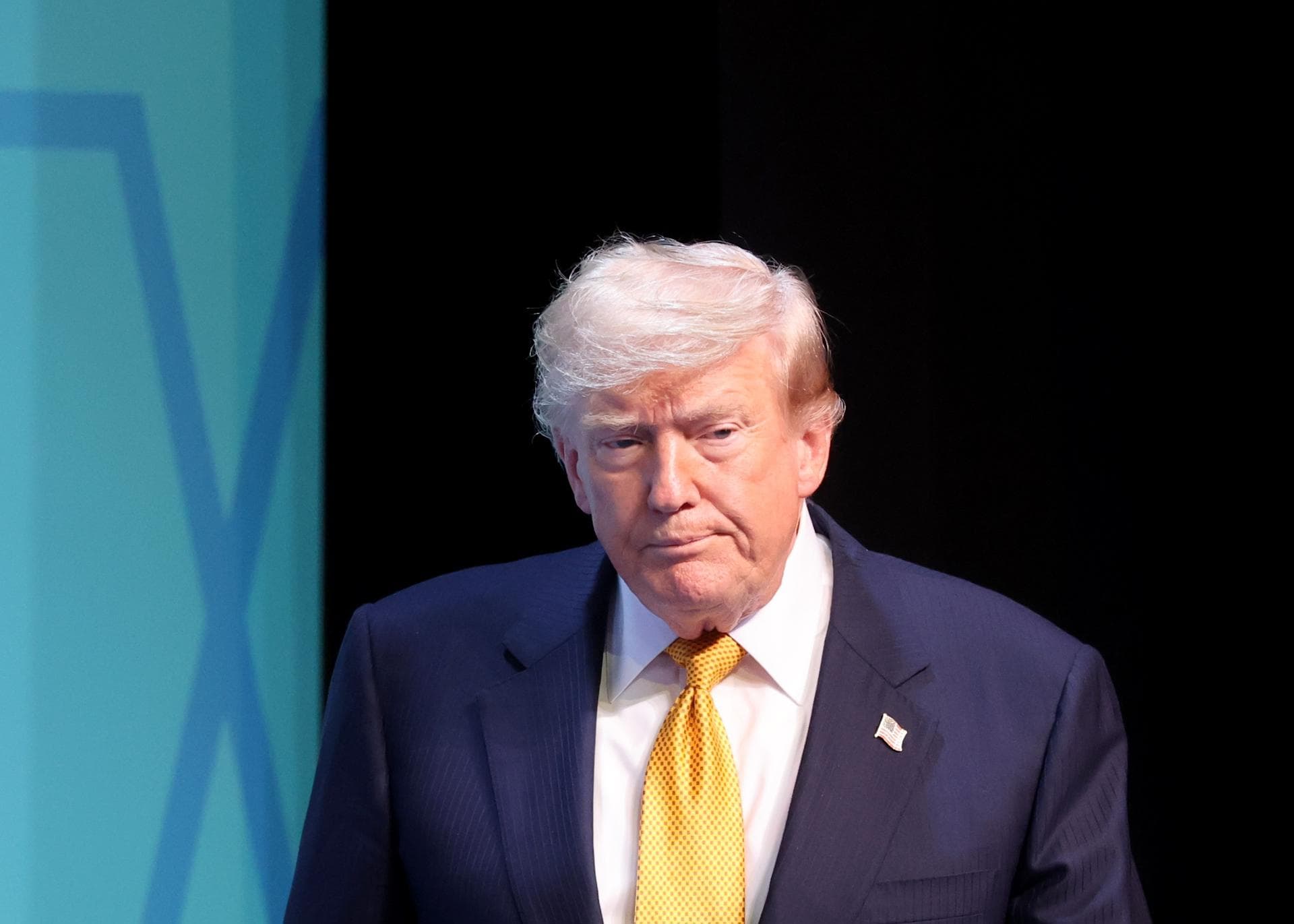
The company said the decision stems from the “significant operational, legal, economic, and financial difficulties that have affected, and continue to affect Cuba” following the embargo imposed by U.S. President Donald Trump, which make it impossible, “in fact and in law,” to achieve “even a minimum level of operational stability.” The suspension also covers use of Meliá’s brands, tourism-related activities, and the local supply chain supporting its hotel operations.
Meliá said it is still evaluating the financial implications of its exit, including a potential adjustment to the carrying value of its Cuban business, with further details expected when it releases first-half financial results.
The Portuguese subsidiary is working to ensure an orderly transition aimed at minimizing disruptions for employees, suppliers, and customers. The withdrawal is expected to have limited impact on the workforce, since management personnel are typically drawn from the Spanish company, while the rest of the staff is employed by Cuba’s state-owned hotel operator. Notably, the Spanish company does not own the hotels themselves — the properties are state-owned through entities such as Gaesa (linked to the Cuban military), Cubanacán, or the Ministry of Tourism — and Meliá has only managed them.
When reporting first-quarter earnings in May, Meliá disclosed that it had already shut down roughly half of its operating capacity in Cuba because of the U.S. trade embargo’s impact. At the time, the company said it managed a portfolio of 34 hotels — some of which had already closed, though it did not specify how many — totaling 14,053 rooms, while two additional projects originally scheduled to open this year remained on hold.
Company officials said the Cuban portfolio operated for an average of 60% of the days in the quarter, with business significantly disrupted by fuel shortages closely tied to U.S. restrictions. The limited fuel supply, combined with the trade embargo, weighed heavily on the country’s tourism sector.
Meliá’s Cuban hotels posted an average occupancy rate of 34.1% in the first quarter, down 6.5 percentage points year-over-year and well below the 58.8% average across its full portfolio, which was up 1.7 percentage points. RevPAR (revenue per available room, a measure of operational profitability that factors in occupancy) stood at 34.4 euros on the island, down 8.6% from a year earlier, compared with an average of 84 euros across all of the company’s hotels.