The Puerto Rico Electric Power Authority (PREPA) on Saturday moved forward with the approval of 22 renewable energy and battery‑storage contracts, a major step in the government’s accelerated push to add new generation capacity. During the meeting, PREPA Executive Director Mary Zapata presented a resolution authorizing her to sign the contracts once they receive final […]
The Puerto Rico Electric Power Authority (PREPA) on Saturday moved forward with the approval of 22 renewable energy and battery‑storage contracts, a major step in the government’s accelerated push to add new generation capacity.
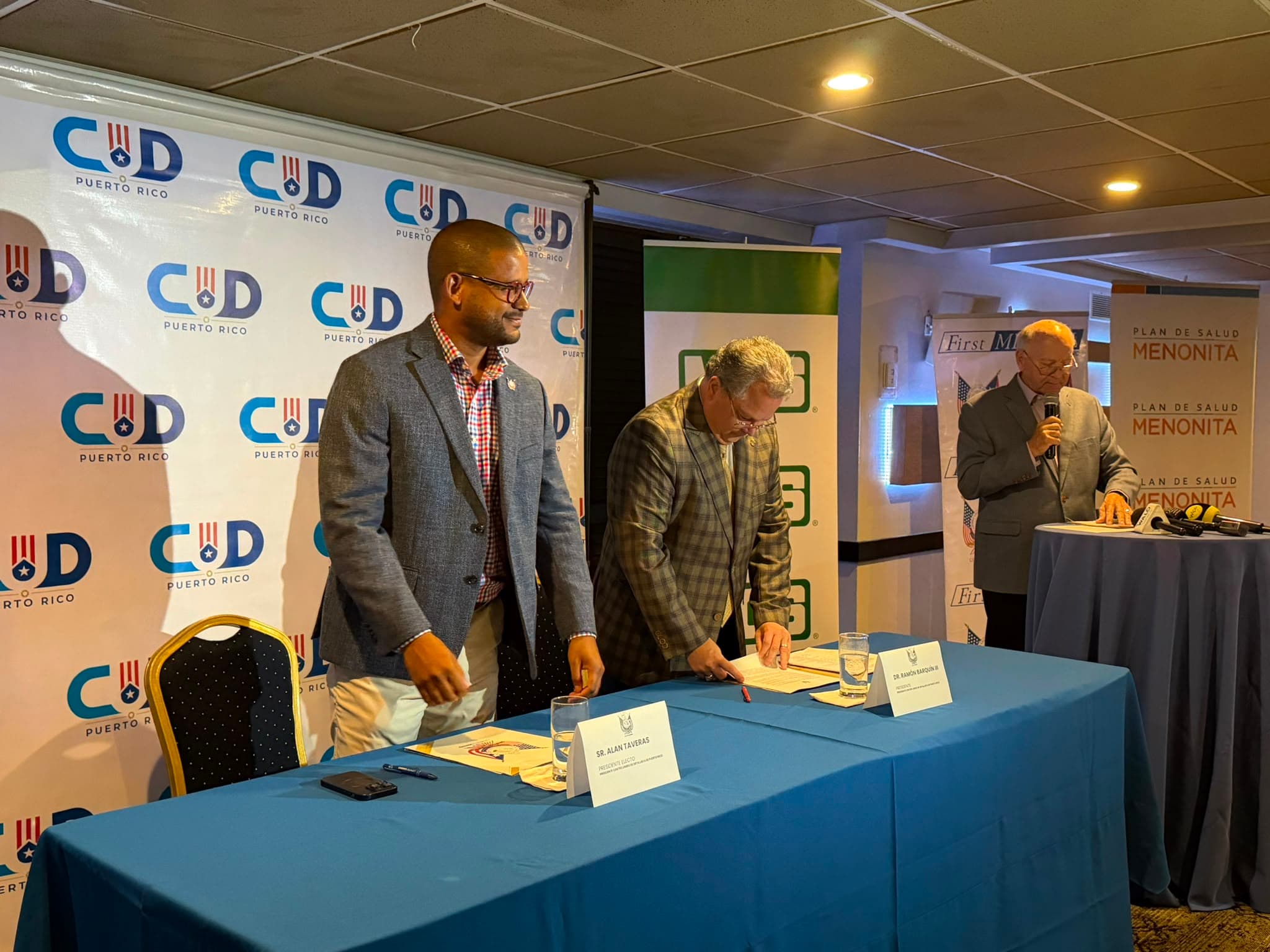
During the meeting, PREPA Executive Director Mary Zapata presented a resolution authorizing her to sign the contracts once they receive final approval from the Financial Oversight and Management Board (FOMB). Board President Edwin González presided over the extraordinary meeting.
The contracts stem from a competitive fast‑track procurement process ordered under an executive order issued by the governor in September 2025, which extended Puerto Rico’s energy emergency and directed agencies to expedite the addition of new renewable capacity. The order instructed the Puerto Rico Energy Bureau (NEPR) to establish the framework for the accelerated process, which prioritized developers with advanced permitting, interconnection studies, and land acquisition who had participated in earlier renewable procurement tranches, Zapata said.
NEPR approved proposals from three developers in late March, setting the terms for the PPAs now before PREPA’s board. According to the executive director, the first two developers accepted NEPR’s preapproved contract terms earlier in the week, and PREPA submitted those agreements to the FOMB on May 27. The third developer accepted the regulator’s terms on May 28, completing the full package of 22 contracts, Zapata said.
The agreements include 11 solar photovoltaic PPAs totaling 523 megawatts (MW) of new generation capacity. The projects would be located in Moca, Guayama, Salinas, Santa Isabel, Juana Díaz, Naguabo, Sabana Grande, and Quebradillas.
In addition, PREPA is seeking approval for 11 battery energy‑storage contracts in the same municipalities, representing 599 MW of storage capacity. The systems are intended to support grid reliability, reduce dependence on fossil‑fuel peaker units, and help manage evening peak demand.
Zapata emphasized that all three developers had met NEPR’s requirements and that PREPA’s next step is to secure FOMB approval before executing the contracts.
Board members raised no objections during the meeting, and the body proceeded to receive motions for approval.
The 22‑contract package represents one of the most significant renewable‑energy expansions advanced under Puerto Rico’s emergency procurement authority as the island continues its transition toward cleaner and more resilient power resources.
Zapata did not provide the names of the firms whose contracts were approved.