Puerto Rico’s top legislative leaders agree that the Island needs sweeping tax reform, but they are sharply divided on whether it can realistically be approved before the end of 2026. The core dispute is not over whether taxes should come down, but whether the government can identify and certify the recurring revenue needed to make a broad overhaul sustainable.
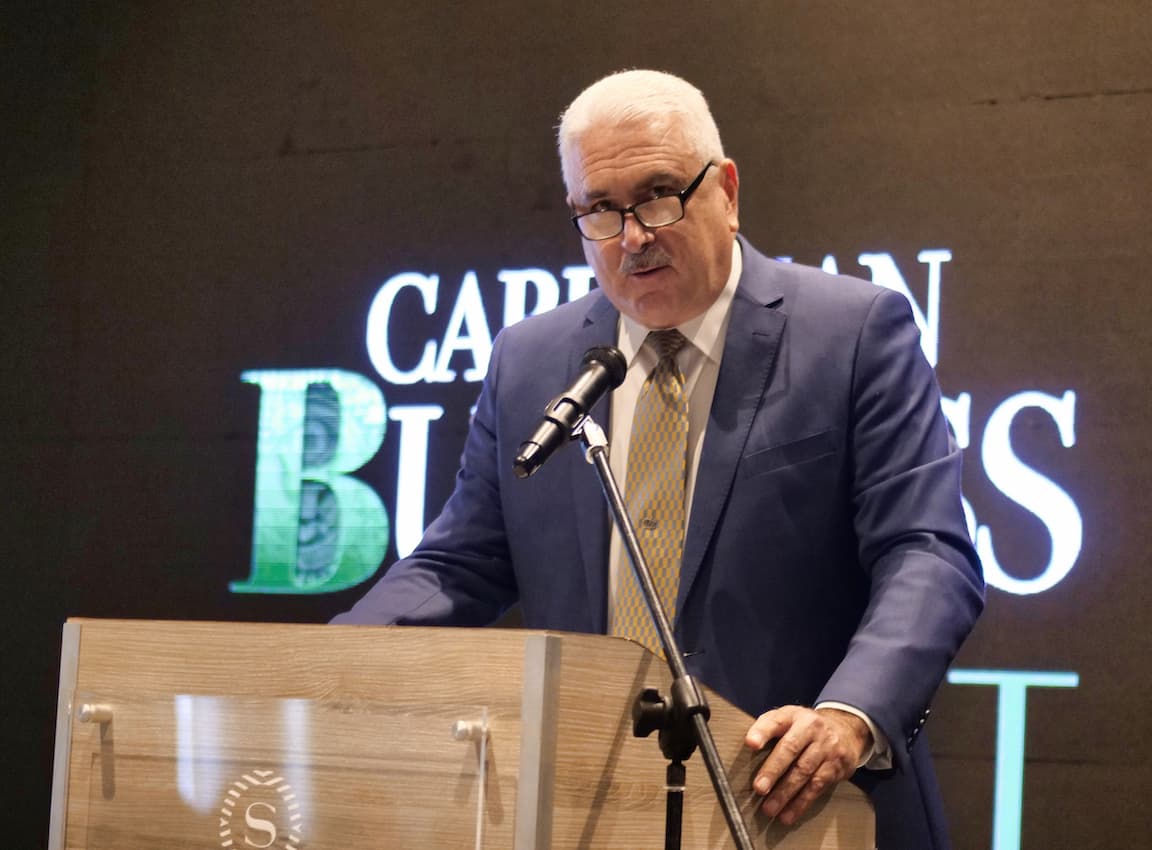
Senate President Thomas Rivera Schatz has framed the effort as both an economic necessity and a strategic turning point for Puerto Rico. At a recent business forum, he said the Legislature intends to approve a comprehensive tax overhaul before the end of 2026, arguing that the Island must reduce its dependence on federal funds and build a stronger foundation for long-term growth. “Puerto Rico has to move from dependence on federal funds toward a model of real economic growth where investment, production, job creation, and local wealth generation are facilitated,” he said, describing the need for a simpler, more transparent and more competitive tax system.
Rivera Schatz said the reform should unify state and municipal tax structures, eliminate distortions and move both individual and corporate rates toward a low, equitable flat tax. He also urged the Executive branch to submit a proposal with enough lead time for legislative review, warning that “each year without a reform is a year in which Puerto Rico competes with one arm tied behind its back.” But even as he projected confidence about the timeline, an official at the Senate Treasury Committee said the panel was not currently working on tax reform legislation.
“The Legislature cannot responsibly approve tax reform until the Executive branch certifies the recurring funds needed to sustain it. the issue is not ideological; it is fundamentally fiscal.”- Rep. Eddie Charbonier, House Treasury Committee Chairman
House Treasury Chair Says the Main Obstacle Is Funding
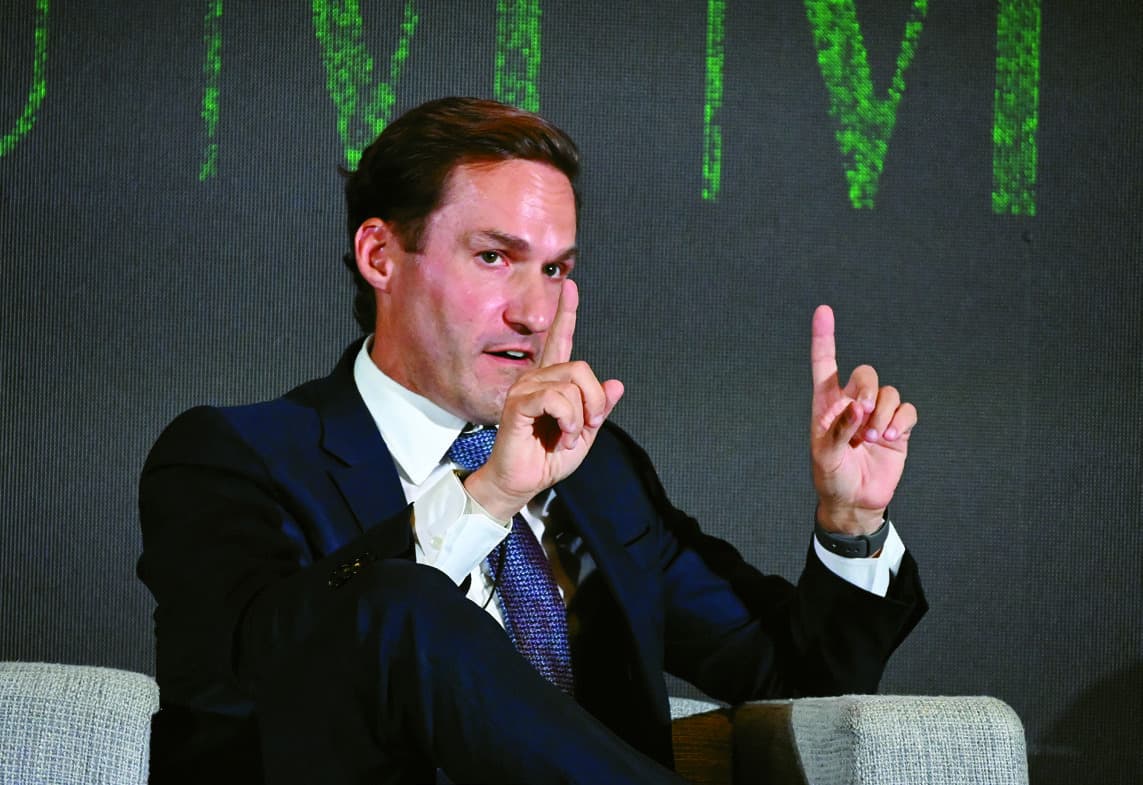
House Treasury Committee Chairman Eddie Charbonier has taken a much more cautious view. In his account, the Legislature cannot responsibly approve tax reform until the Executive branch certifies the recurring funds needed to sustain it. For Charbonier, the issue is not ideological; it is fundamentally fiscal.
Charbonier argued that Puerto Rico’s current tax structure places an unusually heavy burden on working families. He pointed to tax brackets of 33% for annual incomes above $61,500 and 25% for incomes around $40,000 a year, saying they are among the highest in the United States. “The tax rate in Puerto Rico is the highest of the 50 states… living in Puerto Rico is complicated, if not difficult,” he said.
Still, he said, lowering those brackets requires a solid fiscal foundation. Charbonier said the proposed adjustment to tax brackets, filed as House Bill 1014, would cost between $500 million and $700 million annually, and that the Executive branch has not yet identified or certified the funds needed to absorb that loss.
“For me to approve it responsibly, the Executive has to certify where the money is… It’s strictly a matter of funds,” he said. He added that the Financial Oversight and Management Board (FOMB) will not endorse any reform that lacks guaranteed, recurring revenue for at least five years.
Board Pressure, Medicaid Risks and Questions for the Executive
Charbonier said the FOMB had already made its position clear in a public letter sent to the administration in February, warning that any tax reform must include recurring funding and a dedicated budget allocation. He also pointed to another pressure point beyond the Island’s control: the looming Medicaid funding cliff, which the Board insists must be offset with reserves.
“The ball is in the Executive’s court,” he said. “If the Executive doesn’t certify the funds, I can’t approve it, and the Board will throw it back anyway.”
Charbonier also questioned whether the governor’s Tax Reform Committee is still functioning, saying he has not been invited to meetings and has not seen recent activity. Without a coordinated effort between the Executive and Legislative branches, he suggested, the timeline laid out by Rivera Schatz may prove unrealistic.
Asked directly whether approval in 2026 is feasible, Charbonier said the Legislature is ready to act but cannot move without the Executive’s fiscal certification. “I want to approve it tomorrow… but if the Executive doesn’t certify the funds, I can’t do it,” he said.
Interim Alternative: Annual Refund Checks
In the absence of a full tax reform, Charbonier said the Legislature may continue the interim measure implemented this year: issuing annual refund checks to taxpayers based on available surpluses. He said he prefers a permanent tax cut, but that the Executive branch’s failure to include the reform’s cost in the central government budget leaves no other responsible option.
FOMB Executive Director Robert Mujica said the Board was looking forward to engaging with the government on long-term tax code restructuring. “Puerto Rico’s tax system has not been comprehensively modernized in decades, and making it more competitive and growth-oriented is a priority that the government and the Oversight Board share. Work is ahead of us, and it is important,” he said.
Outlook Uncertain
The political will for tax reform appears strong, but the path forward still hinges on the Executive branch’s ability—or willingness—to certify hundreds of millions of dollars in recurring revenue. Until that happens, legislative leaders say, the reform remains more aspirational than actionable.
Caribbean Business contacted the Treasury Department to determine whether it has identified recurring revenues, but the agency did not respond. A member of the tax reform committee appointed by the governor said she was no longer involved with the group and did not know whether it has continued meeting.
Impact on Businesses
The tax reform bill introduced in Puerto Rico as Senate Bill 912 and House Bill 1014 marks the second phase of the government’s broader effort to modernize the Island’s tax system and reduce the burden on individual taxpayers. Although the measure is framed as a middleclass tax cut, its effects extend well beyond personal income taxes, reshaping the operating environment for businesses and shifting how tax responsibilities are distributed across social groups.
For the private sector, the bill presents a mixed picture. On one hand, it simplifies entity classification rules for limited liability companies, allowing single-member LLCs—whether owned by individuals or corporations—to elect treatment as disregarded entities and making it easier for multi-member LLCs to opt for pass-through status. Service corporations would also gain more flexibility to choose the optional tax regime, even if they have a balance due, as long as it is paid by the filing deadline. Together, these changes would reduce administrative friction and give small businesses and professional firms more room to structure their operations efficiently.
The financial impact, however, is less forgiving. The bill repeals two significant Sales and Use Tax (IVU by its Spanish acronym) exemptions: one for promotional materials used in conventions and trade shows, and another for solar energy equipment. Losing those exemptions would raise costs for companies in the marketing, tourism, retail and renewable-energy sectors. Businesses that rely on promotional giveaways would face higher expenses, and commercial customers considering solar installations would encounter steeper upfront costs.
The measure also eliminates the excise-tax rebate for electric vehicles (EVs) beginning in July 2026, making fleet electrification more expensive for logistics companies, delivery services and firms with corporate vehicles. On top of that, the bill expands mandatory informational filings to include bank fees, payment-processing charges and financial-service fees, increasing compliance obligations for merchants with high transaction volumes. In short, while the proposed tax reform streamlines some aspects of business taxation, it also raises operating costs and tightens reporting requirements.
The social impact of the bill is more clearly defined. The middle class emerges as the primary beneficiary, with new income-tax brackets that lower effective tax rates and a doubling of the dependent exemption from $2,500 to $5,000. A taxpayer earning $61,500 a year, for example, would see an effective tax rate fall from 13% to 10%, saving roughly $2,000. Beginning in 2026, both tax brackets and exemptions would adjust automatically for inflation, offering long-term protection against bracket creep and helping preserve purchasing power.
Lower-income households would also benefit, although more modestly. Many already owe little or no income taxes, but the expansion of the 0 percent bracket and the inflation adjustments would provide additional relief. At the same time, the reform shifts a greater share of the tax structure toward consumption, which can disproportionately affect low-income families. The repeal of IVU exemptions and the end of the EV excise-tax rebate could translate into higher consumer prices in certain sectors, even if the
overall effect is indirect.
High-income earners would see only limited gains. While they would benefit from the general rate reductions, the reform does not introduce new deductions or incentives for upper-income taxpayers, and Puerto Rico’s top marginal rates would remain comparatively high. Public-sector retirees, however, would receive a significant advantage: lump-sum distributions from the defined-contribution plan created under Act 106-2017 would become fully tax-exempt if received in a single year, offering a substantial one-time benefit for government employees nearing retirement.
Taken together, the bill would deliver meaningful tax relief to individuals—especially middle-class workers—while offsetting the fiscal impact through higher consumption- based revenues and stricter compliance measures. For businesses, the reform simplifies some structural rules but raises costs in areas tied to marketing, renewable energy and fleet modernization. For households, the benefits are uneven, with the middle class gaining the most while consumers absorb some indirect cost increases.
The government’s strategy is clear: reduce income-tax pressure while shifting the tax base toward consumption and enforcement, in line with the Oversight Board’s demand for revenue neutrality.