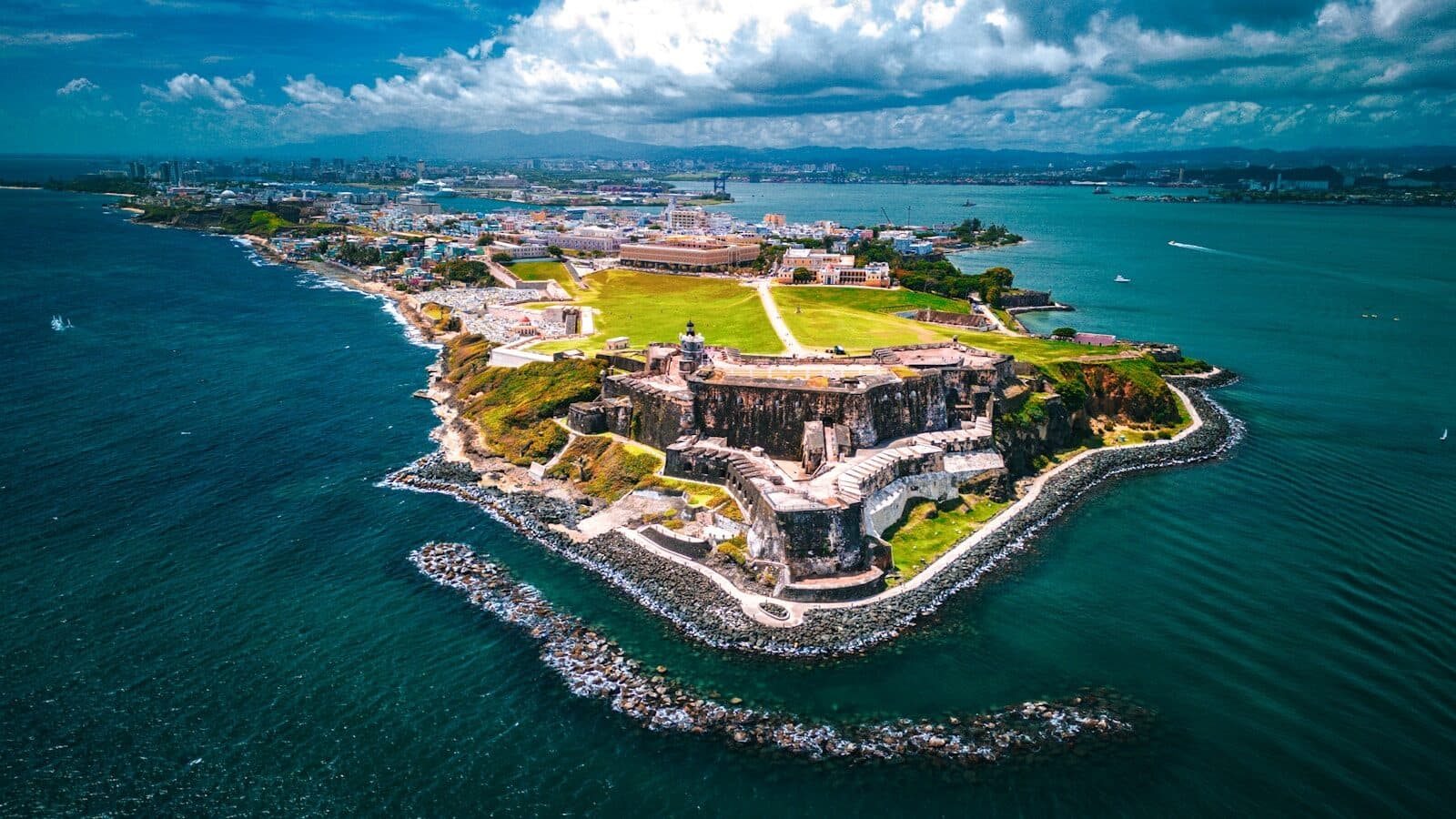
The Senate Energy and Natural Resources Committee will examine the condition of the U.S. territories at a hearing on Wednesday, June 17, offering one of the few formal opportunities for Puerto Rico, Guam, the U.S. Virgin Islands, American Samoa, and the Northern Mariana Islands to air their concerns before senators. The session, chaired by Sen. Mike Lee of Utah with Sen. Martin Heinrich of New Mexico as Ranking Member, will convene in Room 366 of the Dirksen Senate Office Building and bring together the committee’s 20 bipartisan members.
Despite the significance of the hearing, La Fortaleza informed Caribbean Business that the government will not attend. The Office of the Resident Commissioner did not answer inquiries about whether the Resident Commissioner will attend.
The hearing comes at a moment when the territories face a convergence of federal actions that could reshape access to health care, education, and housing. Congress passed the reconciliation bill (H.R. 1), which implements sweeping structural changes and work requirements to Medicaid scheduled to phase in late this year. The White House has proposed a 23 percent reduction—about $163 billion—in non‑defense discretionary spending. These shifts threaten to deepen long‑standing disparities in federal support. Under H.R. 1, many lawfully present immigrants will lose eligibility for Medicaid or CHIP regardless of how long they have lived in the United States. The impact is expected to be particularly acute in the territories, where federal Medicaid financing remains far below state levels. In fiscal year 2019, federal base block grants covered only a fraction of total Medicaid spending across the islands, leaving territorial governments to shoulder the majority of costs.
Puerto Rico, which is facing a Medicaid cliff slated for September 2027, is already feeling the effects of this tightening fiscal environment. The island is undergoing a broad economic transition as the unusually fast‑paced, post‑disaster liquidity of recent years begins to recede. Federal funding is slowing, and although billions remain obligated for construction, other initiatives have already been canceled. The territorial government projects that this deceleration will continue as one‑time stimulus measures fade, underscoring the island’s vulnerability as federal support contracts. The Financial Oversight and Management Board has separately warned that Puerto Rico’s economy has been propped up by temporary federal infusions and has urged the government to prepare for their expiration.
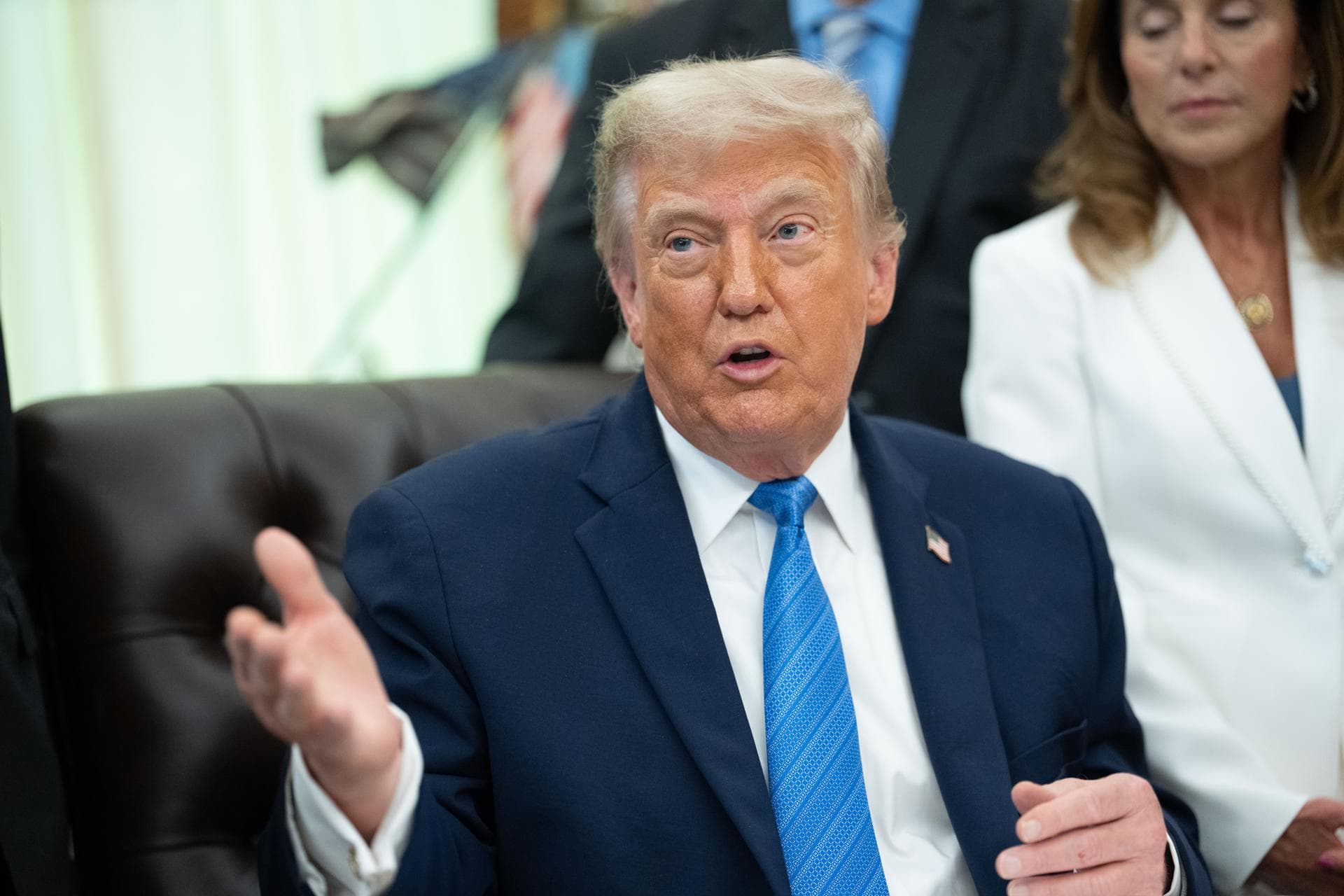
Across the territories, the Trump administration’s FY2026 budget proposal has added to the uncertainty by calling for the elimination of the Low Income Home Energy Assistance Program and broad reductions in non‑defense discretionary funding. By late 2025, frozen education dollars, shrinking housing resources, and the looming Medicaid cuts were already being cited as immediate threats to essential services.
Another structural challenge complicates the territories’ ability to plan for the future: their limited presence in federal statistical data. A Congressional Research Service report updated on January 30, 2026, found that out of 449 federal statistical products, Puerto Rico appeared in only 81, the U.S. Virgin Islands in 49, Guam in 45, and both American Samoa and the Northern Mariana Islands in just 41. The Center on Budget and Policy Priorities has similarly documented that federal policy frameworks routinely exclude the territories from full participation in major health and economic security programs.
The committee’s review will unfold against a backdrop of shrinking federal support, long‑standing disparities in program eligibility, persistent gaps in federal data, and—particularly in Puerto Rico—a clear economic slowdown as federal recovery dollars taper off.