The House of Representatives approved two major energy‑related measures on Monday, advancing a bill to study the potential role of nuclear technologies in the island’s power system while also issuing one of its strongest appeals yet for an end to the prolonged bankruptcy proceedings of the Puerto Rico Electric Power Authority (PREPA).
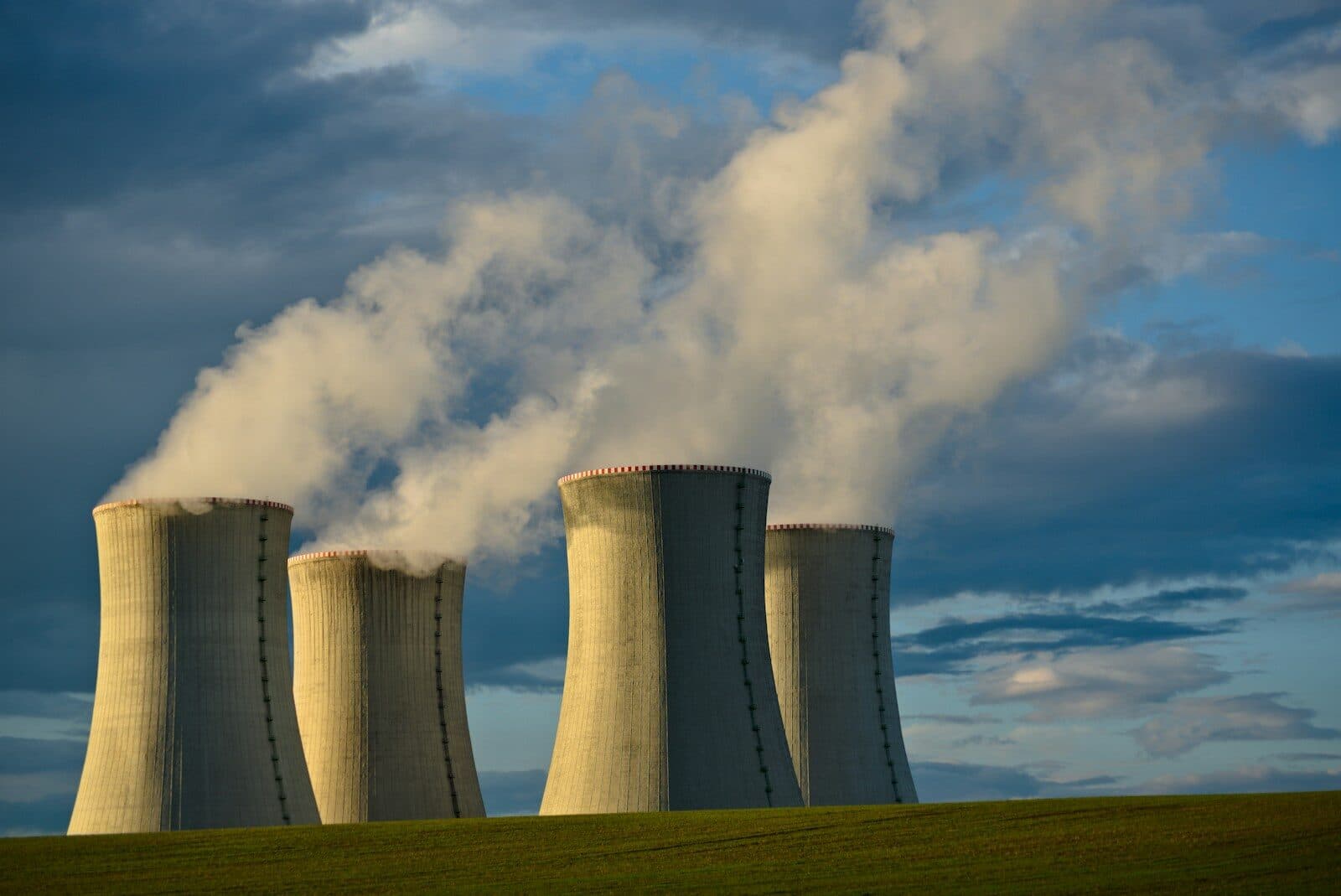
The chamber first passed House Bill 1092, which authorizes a scientific evaluation of nuclear‑derived technologies, including small modular reactors, as a possible supplemental resource within Puerto Rico’s long‑term energy strategy. The bill’s sponsors, Representatives Gabriel Rodríguez Aguiló, Joel Franqui Atiles and Ángel Morey Noble, stressed that the measure does not authorize the construction of nuclear facilities but instead initiates a multi‑year assessment of whether such technologies could support the island’s renewable‑energy goals under the Energy Public Policy Act. Franqui Atiles argued that small modular reactors could offer safer and more cost‑effective generation than fossil fuels and noted that permitting processes alone could take five to seven years. The proposal drew opposition from the Puerto Rican Independence Party and several Popular Democratic Party lawmakers, who raised concerns about environmental risks, exposure zones and the maturity of the technology.
In a separate action, the House approved Resolution 675, a forceful and unusually detailed appeal to U.S. District Judge Laura Taylor Swain to bring PREPA’s nearly decade‑long restructuring to a close. The resolution recounts the history of the utility’s financial collapse, citing decades of administrative failures, political subsidies, corruption and deferred maintenance that left PREPA with roughly $9 billion in bond debt. It describes how the Title III case filed in 2017 has unfolded through a cycle of failed negotiations, repeated mediation rounds, postponed confirmation hearings and shifting operational responsibilities, including the transition to LUMA Energy and the later launch of Genera PR.
The document emphasizes that the restructuring has now stretched across hurricanes, a pandemic, political disputes and multiple rounds of revised plans, none of which have produced a final agreement. It notes that the process has accumulated hundreds of millions of dollars in legal and consulting fees drawn from public funds, even as residents continue to pay some of the highest electricity rates in the United States. The House argues that the prolonged uncertainty has discouraged investment, delayed grid modernization and undermined Puerto Rico’s creditworthiness, all while leaving families and businesses with an unreliable and costly energy system.
Citing these impacts, the resolution states that the House feels “deep concern and consternation” over the “undue and unjustified prolongation” of the case. It asks Judge Swain to issue a final and definitive ruling on PREPA’s Plan of Adjustment “with the greatest possible urgency” and to stop granting further extensions to the mediation period, which lawmakers say has repeatedly failed to produce consensus despite years of negotiations. The measure also urges all parties involved — including the Oversight Board, bondholders, fuel‑line lenders, insurers, commercial creditors and pensioners — to act with urgency and good faith to reach a fair and sustainable resolution. It concludes by asserting that the interests of Puerto Rico’s 3.2 million residents must take precedence over those of any creditor group, given the central role of electricity in the island’s economic and social well‑being.
Together, the two measures reflect a Legislature grappling simultaneously with Puerto Rico’s long‑term energy future and the unresolved financial crisis that continues to shape the island’s power system.