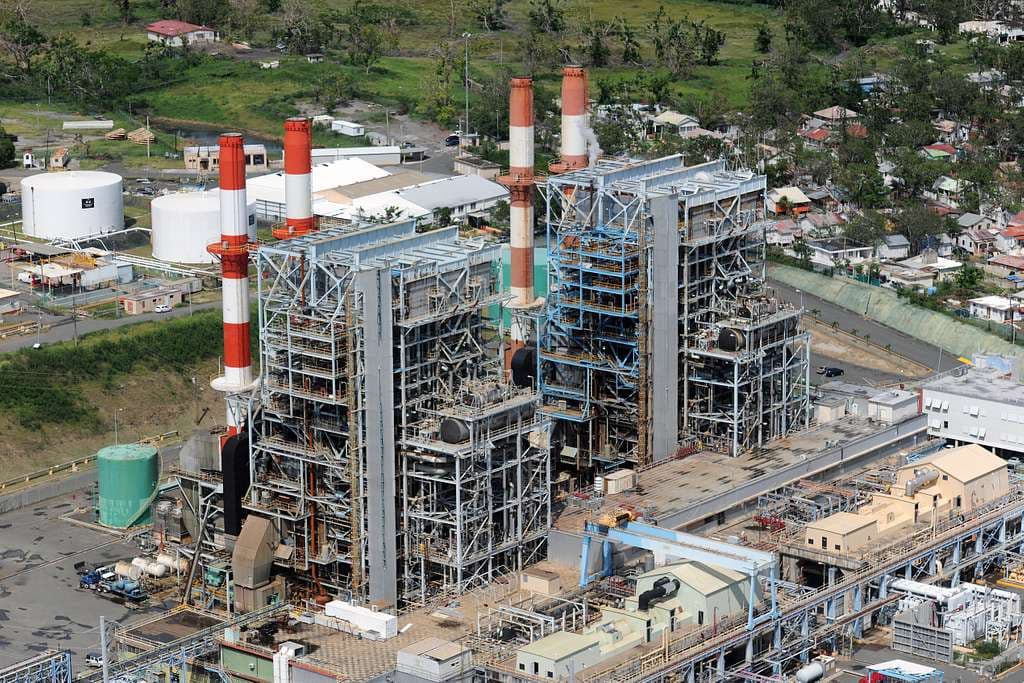
More than 40% of PREPA’s thermal generating fleet, roughly 1,500 megawatts, remains out of service, and outages have continued on a near-daily basis in recent weeks, even after more than a year of repair work that officials have repeatedly described in public statements as ahead of schedule.
Against that backdrop, the Puerto Rico Energy Bureau has ordered LUMA Energy to produce, within ten days, an updated assessment of how much temporary generation the island still needs, a question the regulator says can no longer be answered by studies written before this month’s collapse of the Power Expectations contract.
The order, issued August 20, does not assume Puerto Rico still needs temporary power. It requires LUMA to prove, with current data, whether it does.
A repair plan that hasn’t caught up
The temporary generation contracts were always meant to be a bridge. The real fix, regulators and Genera PR have said for more than a year, was a combination of new leading-edge plants along with repairing and returning to service the large share of PREPA’s aging thermal fleet that sits idle at any given time, work Genera PR has repeatedly touted as ahead of schedule.
The results have been more modest than the announcements suggest. A Genera PR executive said in July that the company added 1,200 MW of generation to the system over the previous year and credited that work with averting load shedding.
But Puerto Rico’s total available generation capacity grew by only about 100 MW over roughly the same period, from approximately 3,500 MW to 3,600 MW, according to the government’s own accounting, since new repairs have been offset by fresh breakdowns elsewhere in the fleet.
LUMA made the same point to regulators in March 2025, noting that capacity additions over the prior four years had been “offset by reduced availability of existing units.”
Large units keep slipping their return-to-service dates. Aguirre 1, a 450 MW unit, was expected back by Dec. 1, 2026, as of LUMA’s November 2025 generation report; by the following month’s report, that date had already moved to Dec. 23. Genera PR has also faced the threat of fines from the Energy Bureau for missing a June 2024 deadline tied to a separate backup power units project.
System reserves, meanwhile, have stayed volatile and have repeatedly fallen below the Bureau’s 750 MW target, particularly during peak summer months. LUMA forecast just 585 MW in reserves for July 2025, compared with more than 1,000 MW in reserves the same month a year earlier.
In recent weeks, roughly 1,500 MW of generation has remained out of service and outages have occurred on a near-daily basis, according to Genera PR’s own public generation data, echoing the same conditions that led Genera to request emergency temporary capacity from regulators in the first place.
That is the backdrop against which the Power Expectations contract, the one deal that was supposed to add 400 MW of temporary capacity while repairs caught up, collapsed amid allegations of a forged signature.
Why the Bureau is asking now
The Financial Oversight and Management Board canceled PREPA’s $5.9 billion contract with Power Expectations, Enchanted Rock and Reyes Contractor on August 14, following allegations that Enchanted Rock’s name and signature had been used without authorization, a saga Caribbean Business detailed this week.
The cancellation eliminated the 400 MW of temporary generation the project was expected to deliver, capacity meant to help close the shortfall LUMA identified in its 2025 analysis.
The government also awarded Gothams Energy a contract to install 200 MW of temporary generation as part of the same procurement, but neither the Bureau nor PREPA answered questions about that contract’s current status.
In a Resolution and Order issued the same week, the Energy Bureau directed LUMA to determine whether the generation deficit identified in its earlier studies still exists and, if so, how much temporary capacity is now required to stabilize the grid.
The regulator gave LUMA ten days to respond, and said the reassessment must account for unit repairs, returns to service, new outages, changes in firm capacity, and the entry of new resources such as battery storage or demand response.
“The need for temporary generation must be evaluated based on the current conditions of the system,” the Bureau wrote, noting that the generation fleet has changed multiple times since the original studies were completed. The Bureau also specified that any capacity tied to contracts that have not completed all required approvals, including the now-void Power Expectations agreement, cannot be counted as available or committed in LUMA’s analysis.
The numbers regulators will have to reconcile
LUMA’s earlier studies projected a deficit of 700 to 850 MW and concluded that adding roughly 800 MW of temporary generation would significantly improve system reliability and allow planned retirements and maintenance outages with a lower risk of load shedding.
A subsequent study for fiscal year 2026 forecast 36.9 days per year with loss-of-load events and more than 196 hours of annual service interruptions.
Those are the figures LUMA will now have to update, weighing completed repairs against new outages, missed deadlines and a temporary generation pipeline that has gone from roughly 800 MW of contracted capacity to essentially none.
With the Power Expectations contract terminated, the Bureau said LUMA must quantify any remaining deficit, update the studies that supported its earlier conclusions, and explain how system conditions have changed since March 2025.
The Bureau framed the exercise as a fact-finding step rather than a predetermined conclusion, saying it seeks to ensure that any future regulatory decisions are based on “an updated technical record that reflects the current condition of Puerto Rico’s generation portfolio.”
Whether that record shows the island’s temporary generation need has shrunk, or simply moved from one unmet contract to another, remains the open question at the center of the reassessment.