A properly designed portfolio does not begin with a product. It begins with the investor.
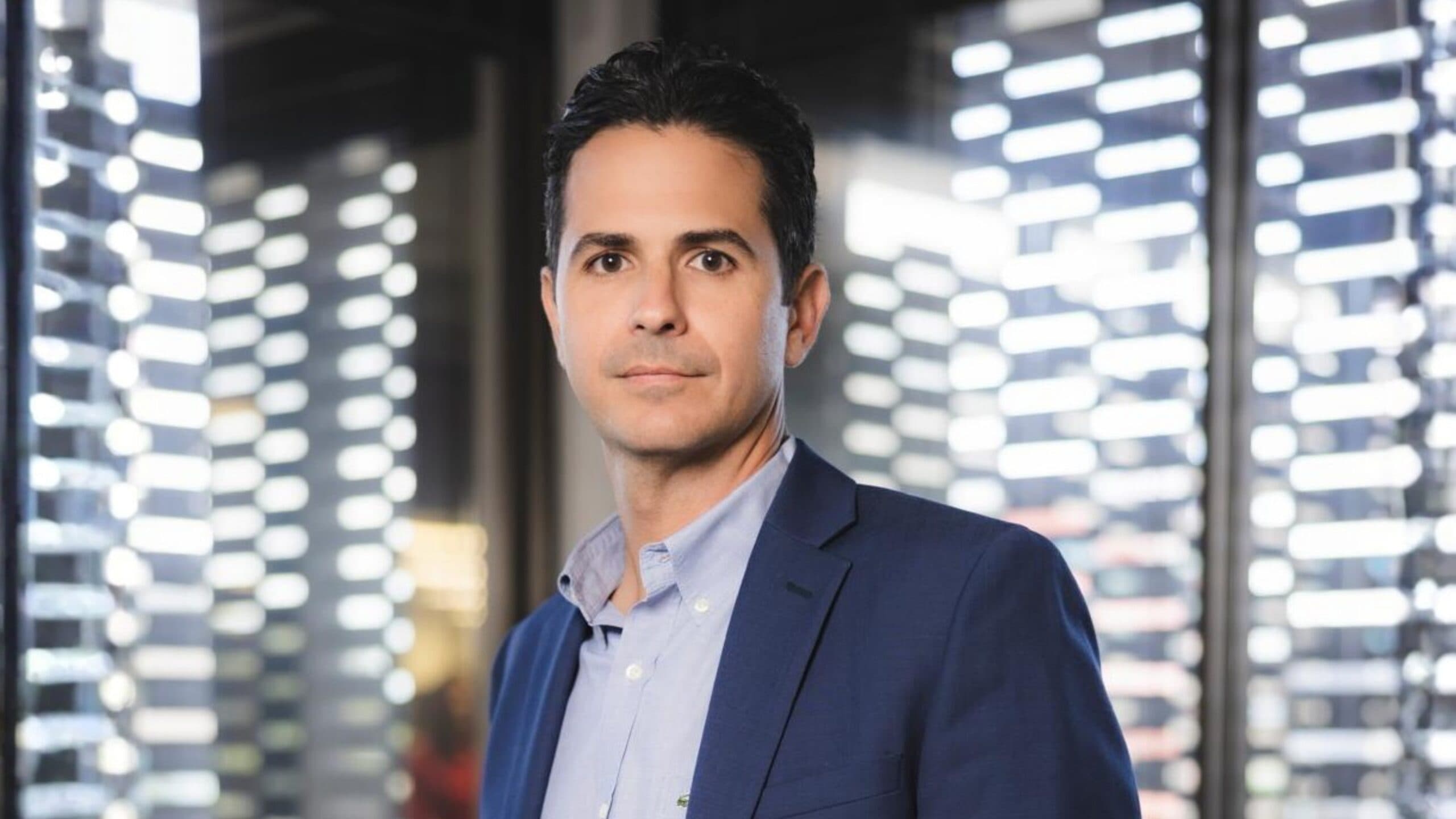
By José M Crespi-Iglesias, Partner & Chief Investment Officer, Lyon Bern Wealth & Asset Management
Most investors can tell you what they own. Far fewer can tell you why they own it, or what specific job each holding is supposed to do in their financial life. That gap, between owning investments and having a portfolio that is deliberately engineered, is where a great deal of wealth quietly leaks away.
A properly designed portfolio does not begin with a product. It begins with the investor.
Risk tolerance is three questions, not one
The industry has reduced risk tolerance to a questionnaire, but it is really three separate assessments. There is your willingness to take risk, the emotional threshold at which you stop sleeping and start selling. There is your capacity to take risk, what your balance sheet, income stability and time horizon can actually absorb. And there is your need to take risk, the return your goals genuinely require.
These three rarely agree. An investor may be emotionally comfortable with an aggressive allocation while having no need to take that risk at all. Another may need a return their nerves cannot survive. Reconciling the three is the first real act of portfolio design, and it determines everything that follows.
Am I diversified across asset classes or just within one? Diversification is about relationships, not quantity
Modern Portfolio Theory taught us something counterintuitive: the risk of any single holding matters far less than how it behaves alongside everything else. Combining assets whose returns do not move in lockstep can raise expected return per unit of risk, the core insight behind efficient portfolio construction.
In practice, many investors own twelve funds that behave like one. Owning more things is not diversification. Owning things that respond differently to inflation, rate shocks, currency moves and growth surprises is.
Are the rebalances aligned with my portfolio strategy? Passive vehicles, active oversight
Broad, low-cost exposure is, for most investors, the most reliable engine available. But “passive” describes the vehicle, not the discipline. Allocations drift. Correlations shift. And more importantly, clients change. A business is sold, a child is born, a parent needs care, a career ends earlier than planned. A portfolio built for the person you were five years ago is not a portfolio; it is an artifact. Periodic rebalancing and structured review are what keep a passive core aligned with a moving target.
If your portfolio reaches its projected value but can no longer fund the lifestyle you planned for, was the plan actually successful? The dollar you project is not the dollar you will spend
Here is the failure I encounter most often in plans brought to us for a second opinion. Projections are built in today’s dollars. Monte Carlo simulations run thousands of iterations on market returns and produce an encouraging probability of success, while treating the purchasing power of that future dollar as a constant.
It is not. A plan that targets a nominal number decades out, without modeling what that number will actually buy, is measuring the wrong thing. Returns must be evaluated in real terms, after inflation and after taxes. Anything else is a comfortable illusion.
Situs, liquidity, and the questions nobody asked
Where an investor resides materially changes which structures make sense. An instrument that is efficient for a mainland investor may be indifferent or counterproductive for a Puerto Rico or USVI resident, and vice versa. Tax efficiency is not a bolt-on; it is a design input.
So is liquidity. A significant share of what the public calls an “investment portfolio” is in fact a contract, with surrender schedules, lockup periods and penalties that surface precisely when life demands access. Illiquidity is not inherently a flaw; it is often compensated. Unpriced, unexamined illiquidity is the flaw. This is why we run explicit what-if scenarios: job loss, medical event, opportunity purchase, early retirement. If the portfolio cannot answer those questions on paper, it will not answer them in reality.
The independent review
Risk, diversification, real purchasing power, tax situs, liquidity and adaptability are not separate topics. They are constraints in a single design problem, and they must be solved together, in service of a comprehensive financial plan.
If you cannot articulate how your current portfolio addresses each one, that is not a reason for alarm, but it is a reason for an independent, fiduciary review. The obligation to place your interest first is not a marketing line. It is the standard against which the design should be judged.