Alarm Grows Over Local 5K-Unit Housing Shortage, Construction Industry Demands Urgency
At the upcoming PRBA annual convention, builders are expected to call for reforms to permitting, financing and regulations to unlock the housing market for the middle class and working professionals
Adapted from our September monthly Print Edition. All stories here.
The Puerto Rico Builders Association (PRBA) will celebrate a milestone birthday at their October 7-8 annual convention at a critical time for the island’s housing market.
While luxury residential developments experience healthy growth—with the likes of Four Seasons residences at Bahia Beach, Vanderbilt Residences, and new high-end projects in Guaynabo and Condado—the market is starving for housing where the majority of Puerto Ricans actually live.
Pinsy Rivera Ortiz, president of the Puerto Rico Builders Association (PRBA), put it starkly in a recent Caribbean Business interview, highlighting that the island’s housing market faces a shortfall threatening the sustainability of the construction industry and the broader economy.
“The [housing] market is much larger than what we’re currently serving. For instance, I just put a project up for sale, and I got 2,553 hits, meaning people who filled out the form, but it’s a project of 92 houses,” she recounted, arguing that the current housing market is falling short by over 5,000 units.
It’s a disconnect that has become impossible to ignore, and one that industry leaders are bringing into sharp focus as the PRBA prepares to convene its 75th annual convention next week at the Puerto Rico Convention Center.
The Luxury Boom and the Crisis It Masks
Puerto Rico’s construction sector generated nearly $8 billion in 2025, a 5.6% increase year-over-year, as high-end residential projects dominate the pipeline, a trend reshaping the physical landscape of the island’s premium markets. But this growth masks a structural crisis that threatens the entire housing ecosystem.
According to development executives interviewed for recent CB stories (here, here and this El Blueprint podcast episode), when wealthy buyers purchase luxury properties, they typically sell their previous, lower-priced homes. This creates a cascading cycle effect through market tiers, a residential mobility pattern that should generate activity across all price points.
Without sufficient mid-market and workforce housing supply, this chain breaks. Luxury development without corresponding middle-income housing construction creates an imbalance.
“The little housing that is being built, five years without reaching 1,000 units a year, has the market stuck,” warned Rafael Rojo, president and CEO of development company VRM. (Rojo is also a lead investor and co-owner of Caribbean Business publishing company Vision New Media.)
The Industry’s Permitting and Regulatory Roadblock
The PRBA president also recognized the regulatory and financial challenges that developers on the island currently face.
“You bet that what you’re doing is right, but the actual parts and figures really change things because every project is like a child. No two projects are alike; that simply doesn’t exist. It all depends on the stage you’re in, whether regarding permits or the economic cycle,” Rivera Ortiz said.
She added that often developers are not taking advantage of all the tools and economic incentives from the government or financial institutions at their disposal. The scheduled panels in the convention, particularly the one titled “Strategic Opportunities for Construction and Development,” aim at addressing this issue.
First to discuss the housing situation will be the panel on “Supporting Affordable Housing in Puerto Rico: Federal Home Loan Bank of New York Tools and Opportunities.”
Rivera Ortiz explained that much of the panel will be on financing opportunities but pointed out that some of the issues that bog down housing development fall under the purview of the central government, such as taxes and permitting reforms.
The latter issue is one that Senate President Thomas Rivera Schatz and Speaker of the House Carlos “Johnny” Méndez are expected to address in their respective speeches at the convention.
Industry leaders will analyze multiple challenges at the 75th PRBA annual convention next week at the Puerto Rico Convention Center.
The PRBA also wants to analyze what other jurisdictions have been doing to deal with their own housing shortages. To that end, on the second day of the convention, the agenda includes the panel “Solutions to the Housing Crisis: Vive Madrid Plan,” to explain how the program Plan Vive Madrid established a collaboration between the public and private sectors to increase housing developments in the Spanish capital.
The implications that federal regulations have on the housing industry will also be part of the discussion when Resident Commissioner Pablo José Hernández Rivera takes the stage.
Rivera Ortiz explained that the Association is looking to be more active in the federal arena because PRBA wants to close the gap on income limits. She noted that federal regulations that establish income limits for housing assistance, including grants for first-time home buyers, uses a different metric for Puerto Rico than for the states.
The result, she said, is that fewer people in Puerto Rico, especially from the middle class, have access to federal housing assistance
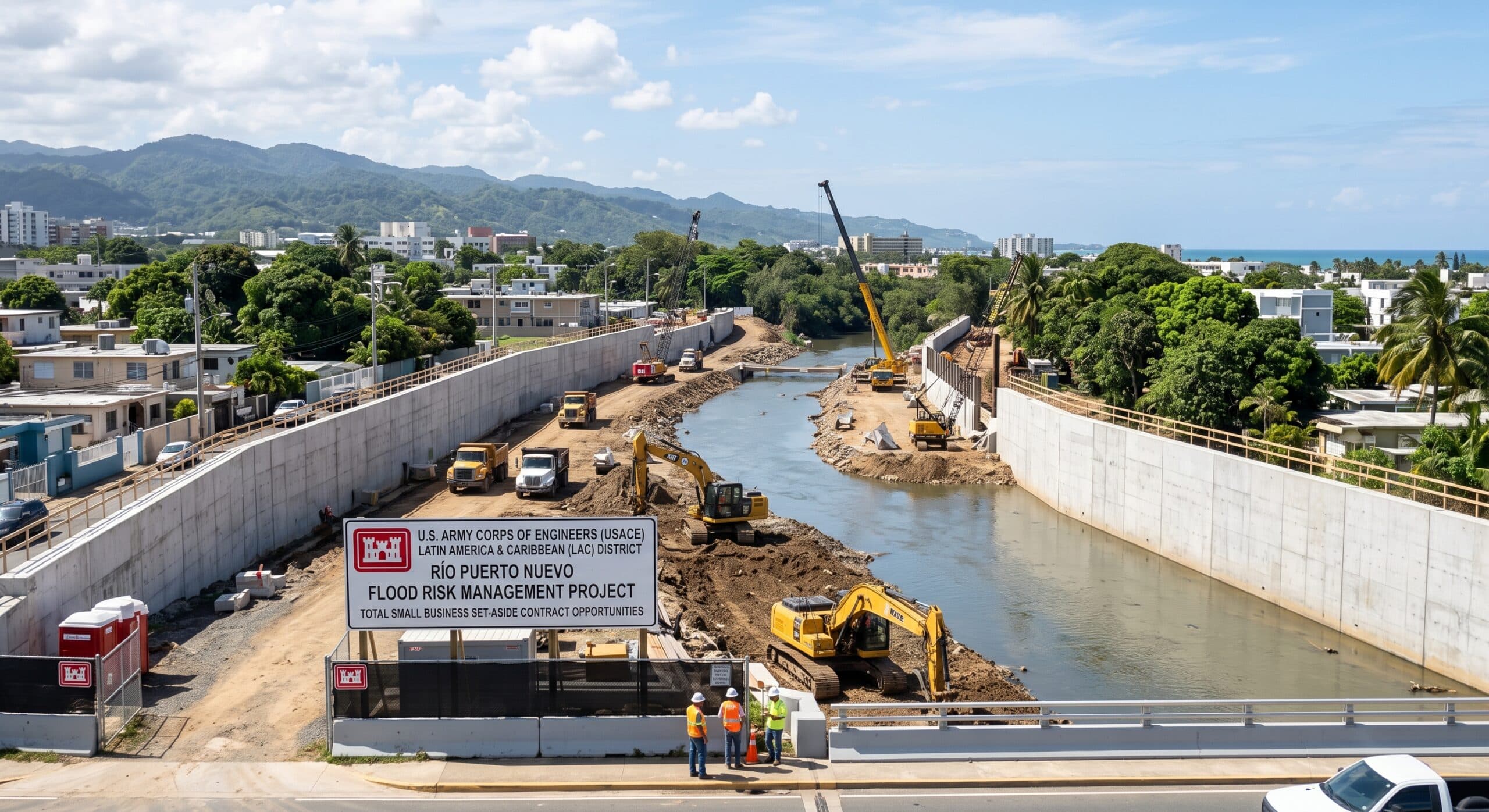
The U.S. Army Corps of Engineers Expands in the Region; for Firms in Puerto Rico, That Means a Growing Procurement Pipeline and Federal Contracting Opportunities
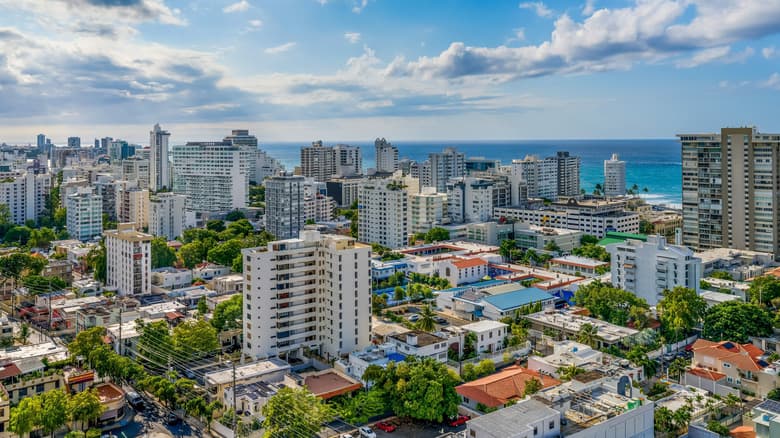
Four Seasons, Vanderbilt, The Icon and now The Legacy are reshaping the island’s high-end market, but without middle-market supply, the entire chain reaction may halt