Luxury Housing Boom Masks a Critical Market Shortage
Four Seasons, Vanderbilt, The Icon and now The Legacy are reshaping the island’s high-end market, but without middle-market supply, the entire chain reaction may halt
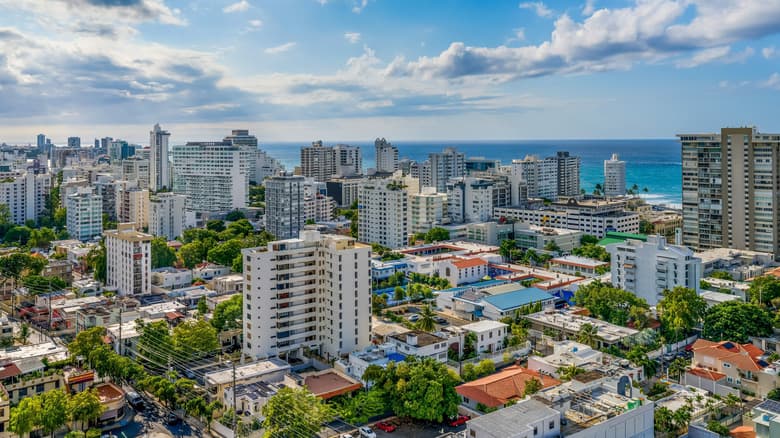
Puerto Rico’s luxury residential market is booming, with a momentum that appears to validate what investors and developers have argued for years: that Puerto Rico’s real estate has entered a new era of economic development and has become an attractive destination for capital and talent.
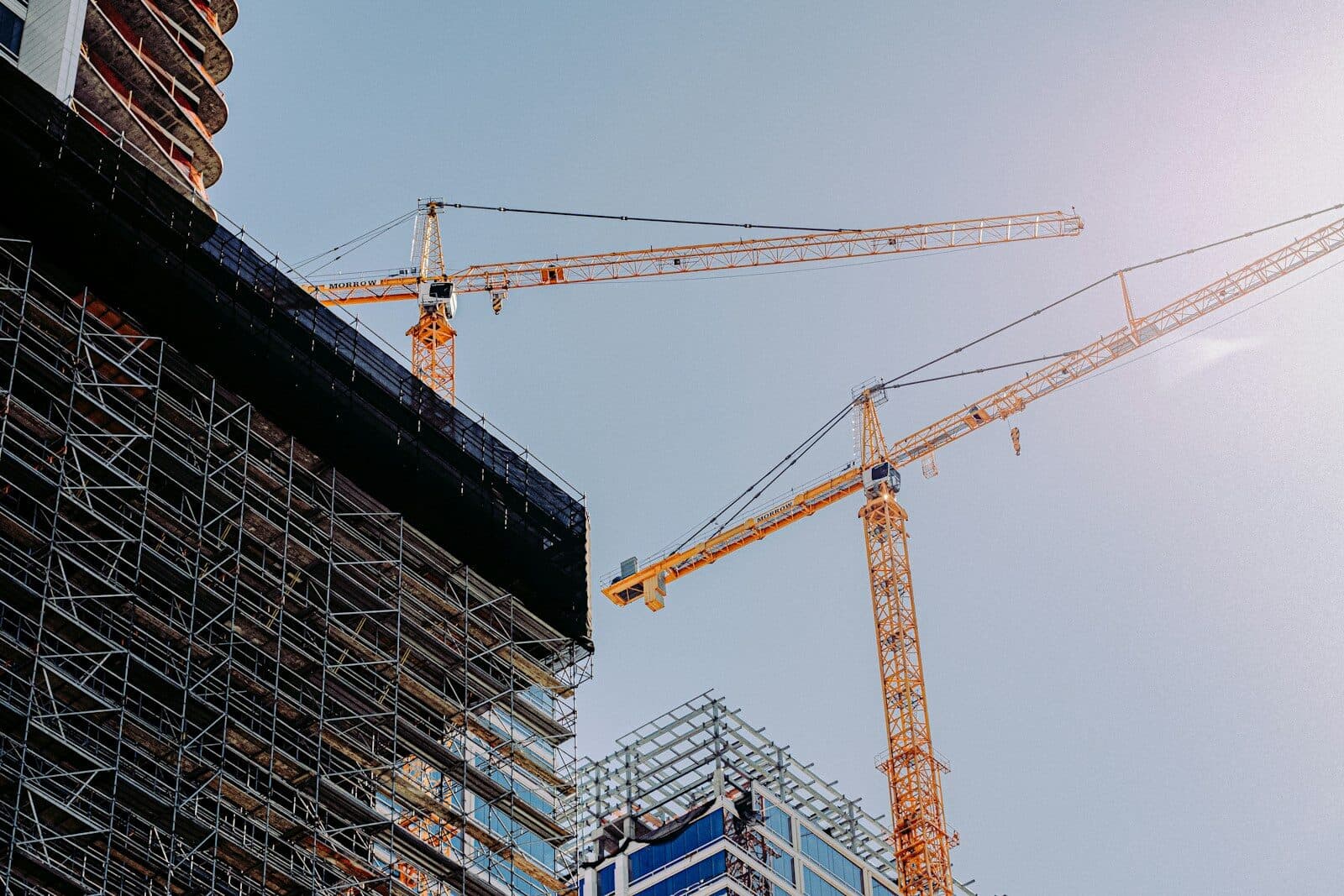
Combined construction activity reached nearly $8 billion in 2025, a 5.6% increase, according to the Puerto Rico Planning Board. A visible portion consists of branded luxury projects and international firms that rival coastal markets in the United States.
Cases in point include: Four Seasons Resort and Residences opened late in 2025 at Bahia Beach, anchoring a resort-community model commanding prices well into the millions. The Vanderbilt Residences, a 22-story oceanfront tower in Condado with units starting at $3.4 million, is set for completion in February 2027. The Icon Condado’s boutique collection of 30 units, ranging from $1.2 million to $4 million, began deliveries in late 2025. Le Parc in Puerta de Tierra, with 34 residences starting at $3.5 million, is already open.
Across the island, the pipeline includes Livingston Lakefront Estates in Dorado Beach, Moncayo in Fajardo, and dozens of boutique projects targeting high-net-worth buyers.
The latest in San Juan metro is The Legacy, a 44-unit development in Guaynabo by RioBlanco Capital that illustrates both the promise and the pitfall of this moment. Located in Garden Hills and San Patricio on Luis Vigoreaux Avenue, the project represents the first new residential construction in that area in more than two decades.
The Legacy coming to Guaynabo.
The development was designed for a specific buyer: returning professionals and families who want to stay in or return to the communities where they grew up but cannot find new construction that meets their standards, according to the project’s materials.
Legacy units range from $1.2 million for two-bedroom residences to $2.95 million for penthouse three-bedroom units, with prices anchored by contemporary design, Molteni & C kitchens, floor-to-ceiling windows, and amenities including a concierge-serviced lobby, 24/7 security, pool and jacuzzi, Technogym-equipped gym, and private parking with electric-vehicle charging. For the market segment it targets, educated professionals earning well into the six figures, the product is both timely and well-executed.
Chain Reaction
But beneath this expansion lies a structural challenge that risks undermining the growth narrative, according to Rafael Rojo, a prominent residential-development executive who has built multifamily housing in the Caribbean and now focuses on mid-market residential projects in Puerto Rico. (Rojo is an investor and co-owner of Caribbean Business publishing company Vision News Media.)
The luxury boom, he told host Alberto Bacó Bagué in the podcast El Blueprint this week, depends on a supply chain that is hard to come by: middle-income and moderate-income housing that allows working professionals, returning diaspora Puerto Ricans, and other families to enter the market at price points where they can afford to stay.
Without that supply, Rojo warns, the luxury segment will eventually run out of buyers.
“The little housing that is being built, five years without reaching 1,000 units a year, has the market stuck.”
Rafael Rojo
Rojo’s thesis hinges on residential mobility, a known market dynamic. When someone purchases a luxury property, say, at $1 million, he or she typically sells a home worth less, freeing that unit for a buyer in a lower segment. That buyer then sells his/her lower-priced home, and so on. This cascading effect depends on a sufficient supply of new units coming into the market across multiple price bands to keep the chain moving.
“The little housing that is being built, five years without reaching 1,000 units a year, has the market stuck,” he surmised.
Puerto Rico, that is, has built fewer than 1,000 housing units per year in recent years, a fraction of what would be needed to support the island’s resident-investor newcomers, returning-talent populations, and local buyers.
The result is a market where supply is sharply constrained at the entry and mid-tier levels while luxury projects proliferate at the top, creating a paradox: the more luxury housing that gets built without corresponding mid-market supply, the fewer buyers are available to sustain those luxury sales five, ten, or fifteen years from now, unless the stream of off-island high-income folks moving to Puerto Rico is sustained.
An Industry in Expansion, a Market in Constraint
For now, the luxury segment is enjoying strong demand, which in fact is outpacing supply, according to multiple market analyses. Act 60 Chapter 2 tax incentives (formerly Law 22) have made the island an attractive destination for high-net-worth individuals from the states seeking both residency and an investment opportunity.
For Rojo, the solution is straightforward in concept: expand housing supply across multiple segments simultaneously. This means not just more luxury projects, but more moderate-income and workforce-housing projects that are currently undersupplied.
He points to his company’s own Riviera development in the Guaynabo-Bayamón Route 177 corridor, which sits in the price range up to $1 million just ahead of The Legacy’s.
The question now becomes whether the market at the high end eventually reaches a saturation point where the shortage of middle-market housing constrains demand from the very affluent buyers the luxury sector is chasing. Following Rojo’s chain-reaction thesis, that inflection point may be closer than the current optimism suggests.
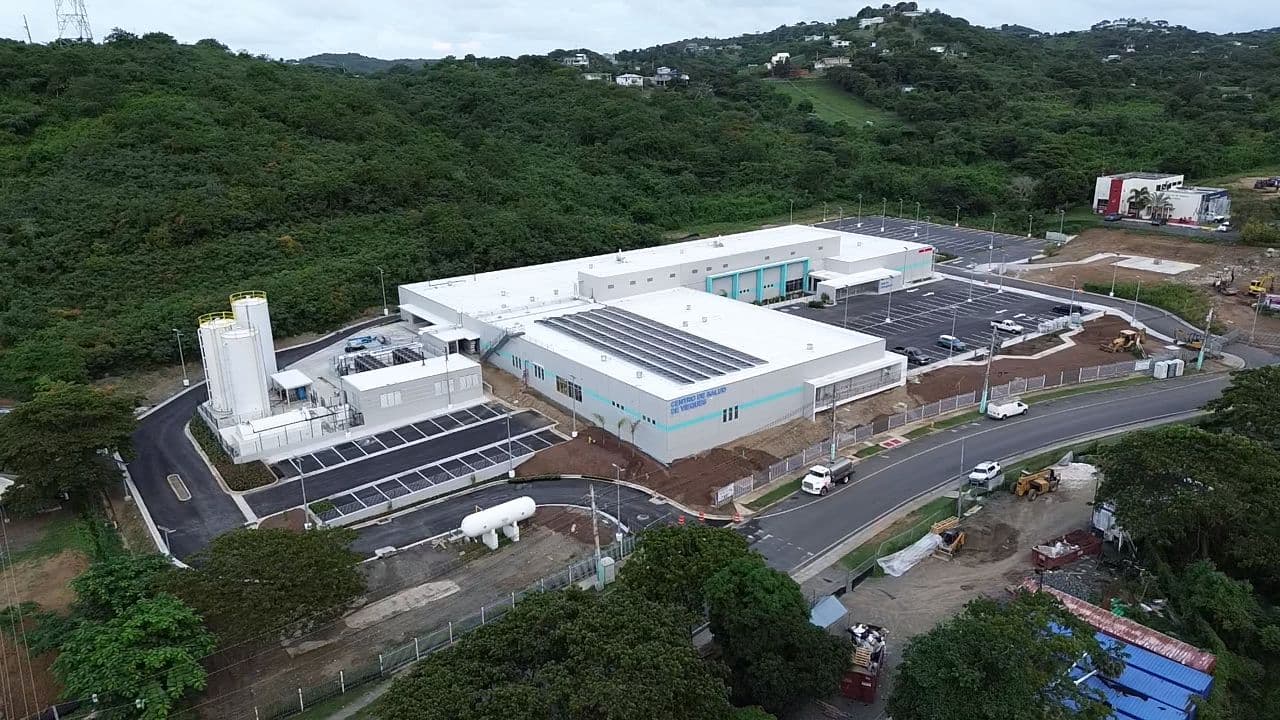
Centro de Salud de Vieques’ LEED Silver certification raises role of disaster recovery in finally moving the needle on green building in Puerto Rico Nine years after Hurricane Maria left Vieques without a functioning hospital, the island-municipality’s replacement health center is open. And not just open. This month, the facility earned LEED Silver certification, a […]