Wins, Losses and Exits: How to know if it’s time to sell
In this wide-ranging El Blueprint interview, Alberto de la Cruz discusses the hard discipline of recognizing when it’s time to exit an investment and what founders can learn from losses that lead to lessons
Sometimes successful entrepreneurship isn’t only knowing when to invest. It is also knowing when to exit a failing business.
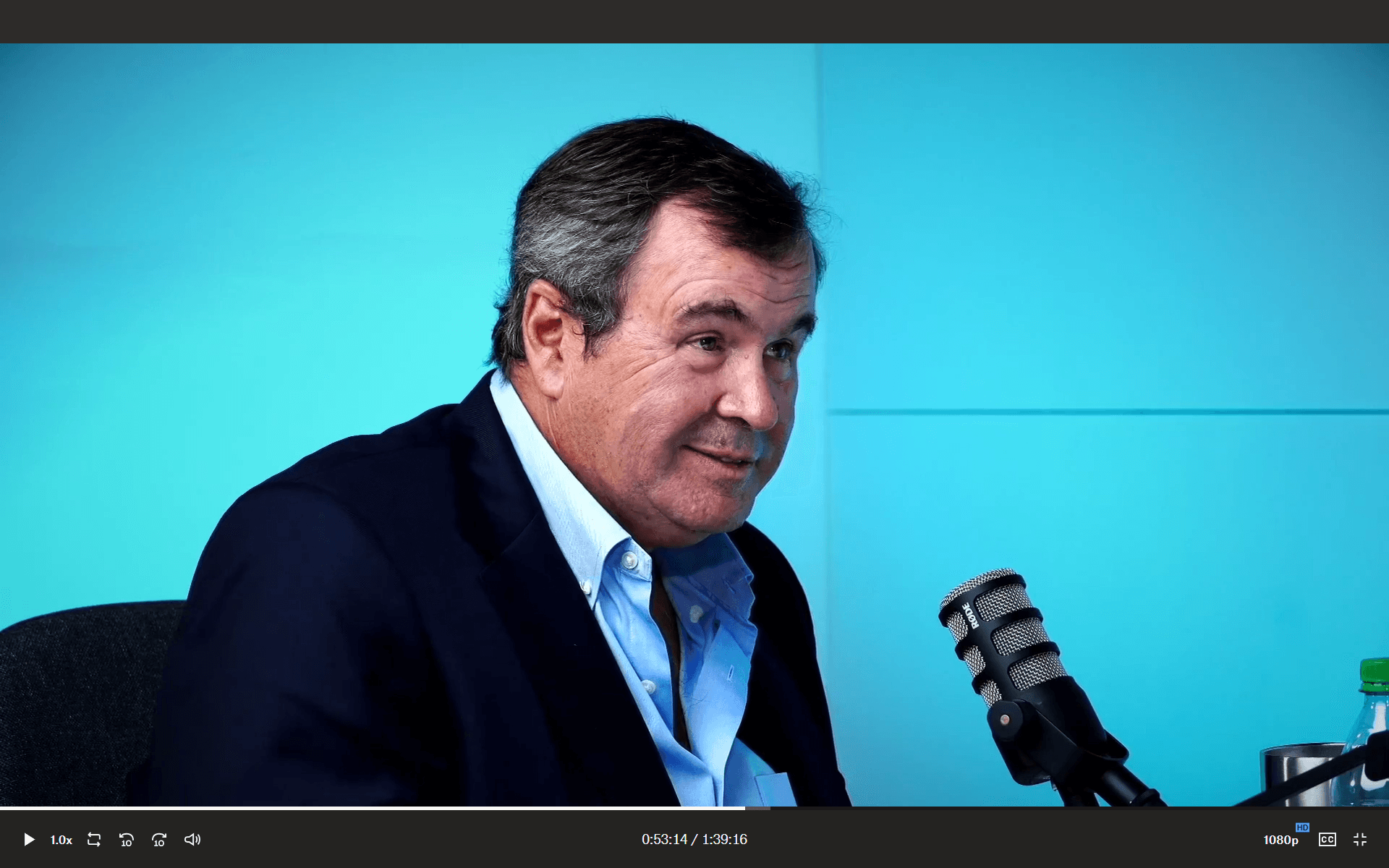
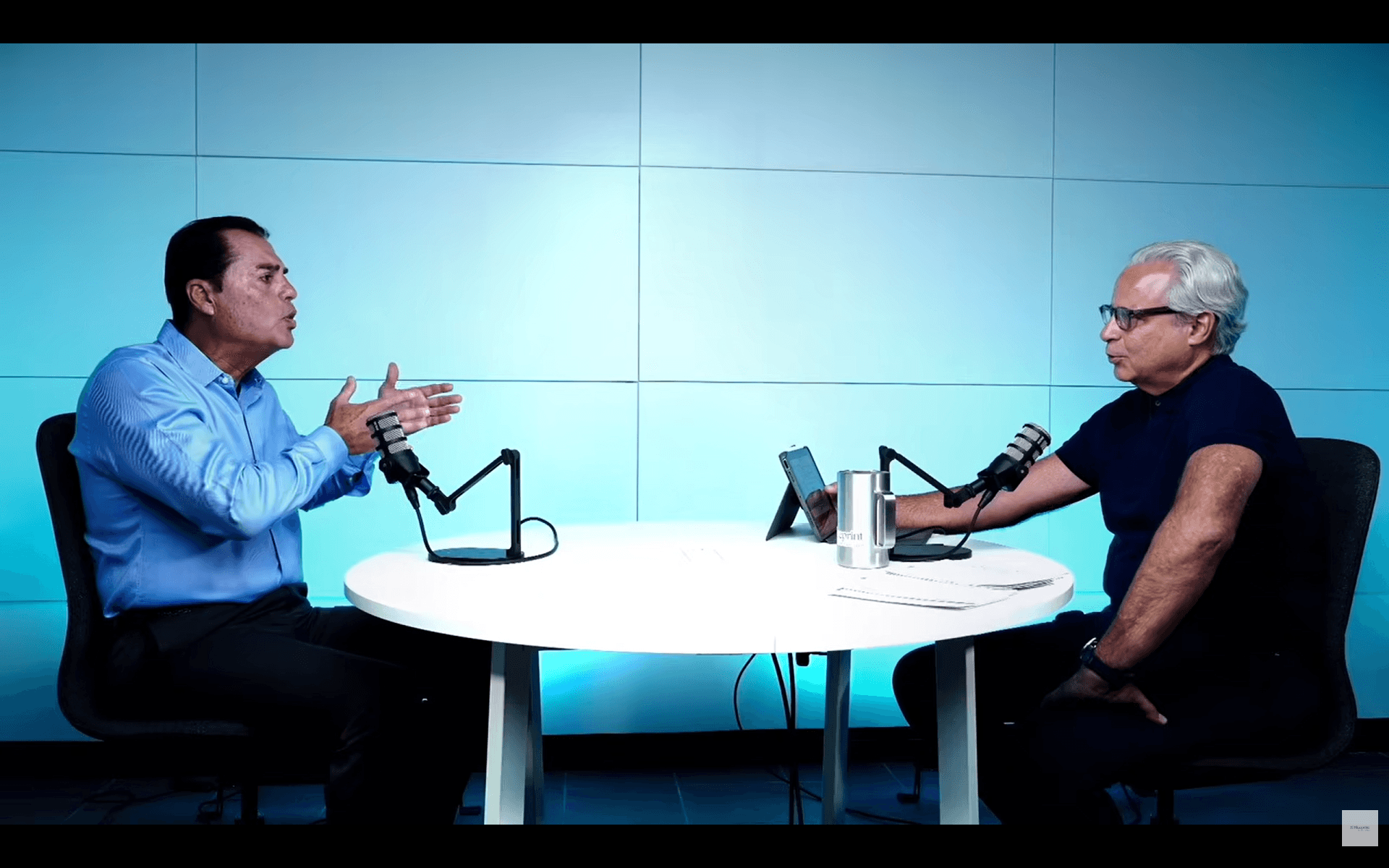
It is a juncture faced recently by Alberto de la Cruz, one of Puerto Rico’s most prominent and successful businessmen, as he recalls in this latest episode of the weekly podcast El Blueprint, hosted by Alberto Bacó Bagué.
The decision, for de la Cruz a defining moment in his career and one that many founders and investors rarely talk about this openly, is the story of how he decided to walk away from a $120–$123 million investment that had stopped generating a profit.
De la Cruz, president of CC1 Companies—a conglomerate that generates nearly $1 billion in annual sales, employs more than 2,500 people, distributes over a thousand brands, and operates Coca-Cola Puerto Rico Bottlers and Suiza Dairy—could have doubled down. Instead, he chose to seek a buyer for the struggling venture.
That choice, he tells Bacó, taught him one of entrepreneurship’s most difficult and underrated lessons: knowing when it is time to let go before losses become worse.
In the interview, available on YouTube, Spotify and other platforms, de la Cruz reveals the disciplined thinking required to make this kind of exit decision and the lessons that apply to any business fighting cash flow challenges.
A $120 Million Bet
De La Cruz acquired the company, Florida Can Manufacturing (FCM), in December 2019, with an initial phase that would create roughly 160 jobs and the possibility of many more under subsequent phases. The company became operational in 2022, but the timing could not have been worse. COVID-19 pandemic delays hit precisely when it was ramping up to capacity, throwing operations off schedule.
As volume dropped substantially, “we had to find somebody who wanted to buy a plant that was losing a considerable amount of money,” he told Bacó.
Why was de la Cruz positioned to bounce back from this loss? Because he caught the problem early, while the company had value to sell, and took the necessary steps.
De La Cruz quickly realized that only a handful of buyers in the world had the scale to acquire FCM, narrowing his options dramatically. It was either sell or close shop.
Behind the decision was a struggle entrepreneurs know all too well, when cash flow goes tight and grows tighter. According to the Federal Reserve’s 2025 Small Business Credit Survey, it is one of the clearest signs that a business is in trouble. The survey found that 51% of businesses reported uneven cash flow as a financial challenge, while 56% struggled with paying operating expenses and 48% reported weak sales.
The newest 2026 Federal Reserve report shows no signs of improvement. Businesses are still reporting declining revenue, and expectations for future revenue and employment growth have fallen to their lowest level since 2020.
But one bad quarter isn’t necessarily a reason to sell. Instead, it’s the combination of multiple factors happening at once that signals a bigger trendline: declining revenue, mounting debt, and no credible path to profitability. That was de la Cruz’s scenario.
For two years, he searched for a buyer, until he flew to a conference sponsored by a potential acquirer. The effort paid off, mostly. In February 2025, Ball Corporation acquired FCN for $160 million in cash. After the sale, the company was able to liquidate the asset and repay the bank. But it lost the equity it had invested.
“We lost real money, don’t get me wrong,” de la Cruz said, “but reputation is more important than money.”
Early Action Before the Point of No Return
Why was de la Cruz positioned to bounce back from this loss? Because, as he explains it in the interview, he didn’t wait for a full-blown crisis to happen before acting. He caught the problem early, while the company has value to sell, and took the necessary steps.
If owners wait until cash is exhausted, employees leave, customers disappear, and creditors demand payment, much of what could have attracted a buyer is already gone.
Consider this finding from the Exit Planning Institute: 69% of business owners say exit strategy is a priority, yet only 20% to 30% of businesses actually sell. That gap between intention and outcome suggests that simply deciding to sell doesn’t mean you will find the right buyer, or any buyer at all.
51% of businesses report uneven cash flow, while 56% struggled with operating expenses, and 48% report weak sales. In the newest 2026 Federal Reserve report, expectations for future revenue and employment have fallen to their lowest level since 2020.
To keep your company attractive to potential buyers, that is, you have to have something another company will want. That could be customers, equipment, intellectual property, contracts, talent, the list goes on. But at some point in a company’s decline, those assets vanish quickly.
De la Cruz recounts this loss as something that forever marked his entrepreneurial journey. The experience illustrates one of entrepreneurship’s less-discussed disciplines: recognizing when protecting what remains is more valuable than continuing to chase what has already been lost.
The Entrepreneur Behind the Lesson
De la Cruz’s track record gives credibility to this advice. Upon earning a Bachelor of Business Administration from Georgetown University (1985–1989), he put his entrepreneurial roots to work at a Ford dealership in Miami, turning it into one of the city’s largest. He inherited his entrepreneurial spirit from his Cuban-born parents, who founded CC1 Companies Inc. in 1984 in Miami, Florida.
At age 25, de la Cruz met Roberto Goizueta, the Cuban-born chairman and CEO of The Coca-Cola Company, and presented a proposal to acquire Coca-Cola’s Puerto Rico bottling operation. That meeting changed his trajectory from automobiles to beverages, a path that would define his career.
“Coke’s gain is Ford’s loss,” he remembers hearing it said of his decision by others at the time.
The acquisition, which closed in 1995, included the company’s manufacturing and bottling plant in Cayey, taking on an operation that competed in a market then dominated by Pepsi. De la Cruz moved to Puerto Rico that year at age 27, and today the group generates roughly $1 billion in annual sales and employs more than 2,500 people. He also serves as president of Coca-Cola Bottling of Trinidad & Tobago.
Coming from someone whose career has been built on evaluating businesses, deciding when an asset is worth buying, executing acquisitions, and making judgements about when it’s worth pumping more capital into a venture or when it’s time to exit, his message carries unusual weight. As he reminds viewers, nothing could be more valuable than acknowledging when it’s time to call it quits.
In today’s episode of El Blueprint, the auto executive tells Alberto Bacó Bagué how the valuation process helped turn the family business into a thriving leader in Puerto Rico’s automotive industry