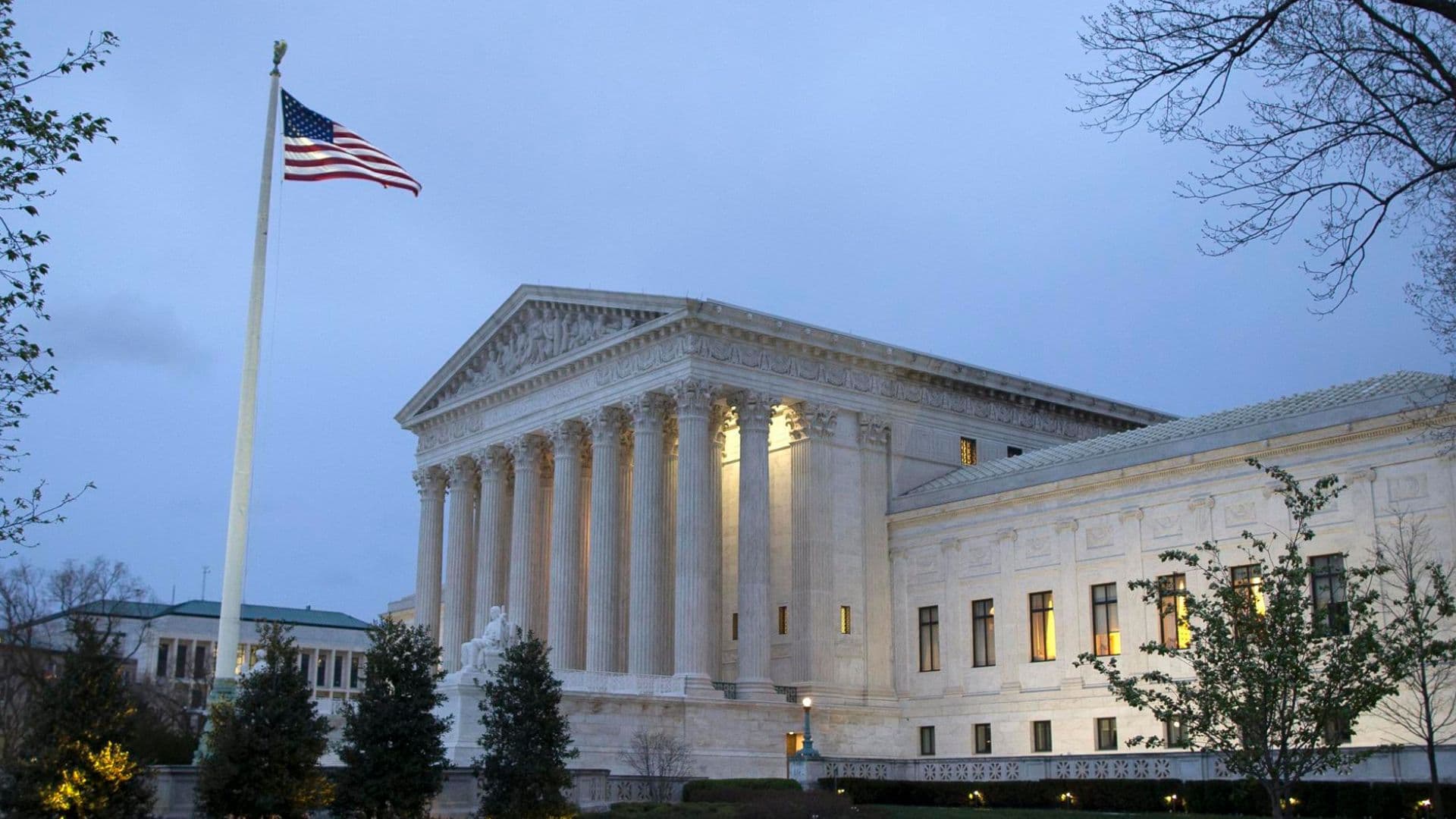
The U.S. Supreme Court is set to issue major rulings on birthright citizenship, Temporary Protected Status, executive power and transgender athlete policies before its summer recess.
WASHINGTON — The U.S. Supreme Court is expected to issue a series of closely watched decisions before beginning its annual summer recess, including rulings that could significantly impact several key policies championed by President Donald Trump.
Among the most consequential cases is a challenge involving Trump’s executive order seeking to limit birthright citizenship for children born in the United States to undocumented immigrants or individuals holding temporary visas.
The administration argues that the long-standing interpretation of the 14th Amendment has encouraged what it describes as “birth tourism” and irregular immigration. However, legal experts and civil rights advocates warn that a ruling in favor of the administration could reshape constitutional protections and affect an estimated 255,000 children each year.
The case has become one of Trump’s top priorities. In April, he became the first sitting U.S. president to attend oral arguments before the Supreme Court in person and has frequently commented on the issue through social media.
The court is also expected to decide whether the administration can revoke Temporary Protected Status (TPS) protections for approximately 350,000 Haitians and 6,100 Syrians currently shielded from deportation.
The case marks the first time the Supreme Court has directly addressed legal challenges involving TPS, a program that grants temporary legal status and work authorization to individuals from countries affected by conflict, natural disasters or other extraordinary conditions.
Another pending decision involves presidential authority over independent federal agencies. The court is considering whether the president has the power to remove Federal Reserve Governor Lisa Cook, a case that could have broader implications for the independence of the U.S. central bank.
The dispute follows Trump’s repeated criticism of the Federal Reserve’s monetary policy and his previous efforts to pressure former Fed Chair Jerome Powell to lower interest rates.
The justices are also reviewing the dismissal of Federal Trade Commission Commissioner Rebecca Slaughter, who was removed by Trump after disagreements over policy priorities. The outcome could redefine presidential authority over independent regulatory agencies.
In addition, the Supreme Court is expected to rule on the constitutionality of state laws restricting transgender girls and women from participating in female school sports, as well as a separate case involving mail-in voting procedures.
The decisions come months after the Supreme Court handed the administration a significant setback by invalidating portions of its tariff framework, forcing the government to pursue alternative approaches to trade policy and implement large-scale refunds.
With several landmark rulings pending, the final days of the court’s term are expected to shape debates over immigration, executive authority, civil rights and economic policy well beyond the current administration.