Argentina’s economy slowed in April, with economic activity falling 1.5% from March. Despite the monthly decline, activity remained higher than a year ago, supported by strong gains in mining and agriculture.
BUENOS AIRES — Argentina’s economic activity declined 1.5% in April compared with the previous month, following a strong 3.1% expansion in March, according to preliminary data released Monday by the National Institute of Statistics and Census (INDEC).
Despite the monthly decline, economic activity remained 1.6% higher than in April 2025. During the first four months of 2026, the economy posted cumulative growth of 2.1%.
The monthly activity index serves as an early indicator of quarterly gross domestic product (GDP) performance.
Economists said the slowdown was largely expected after March’s sharp rebound.
“The decline in April’s monthly activity indicator was anticipated following a very strong March,” said Iván Cachanosky, chief economist at Fundación Libertad y Progreso, noting that several leading indicators had already pointed to a period of correction.
Among the economy’s 15 major sectors, seven recorded year-over-year growth in April. Mining and hydrocarbons led the gains with a 17.1% increase, followed by agriculture, which expanded 10.9%.
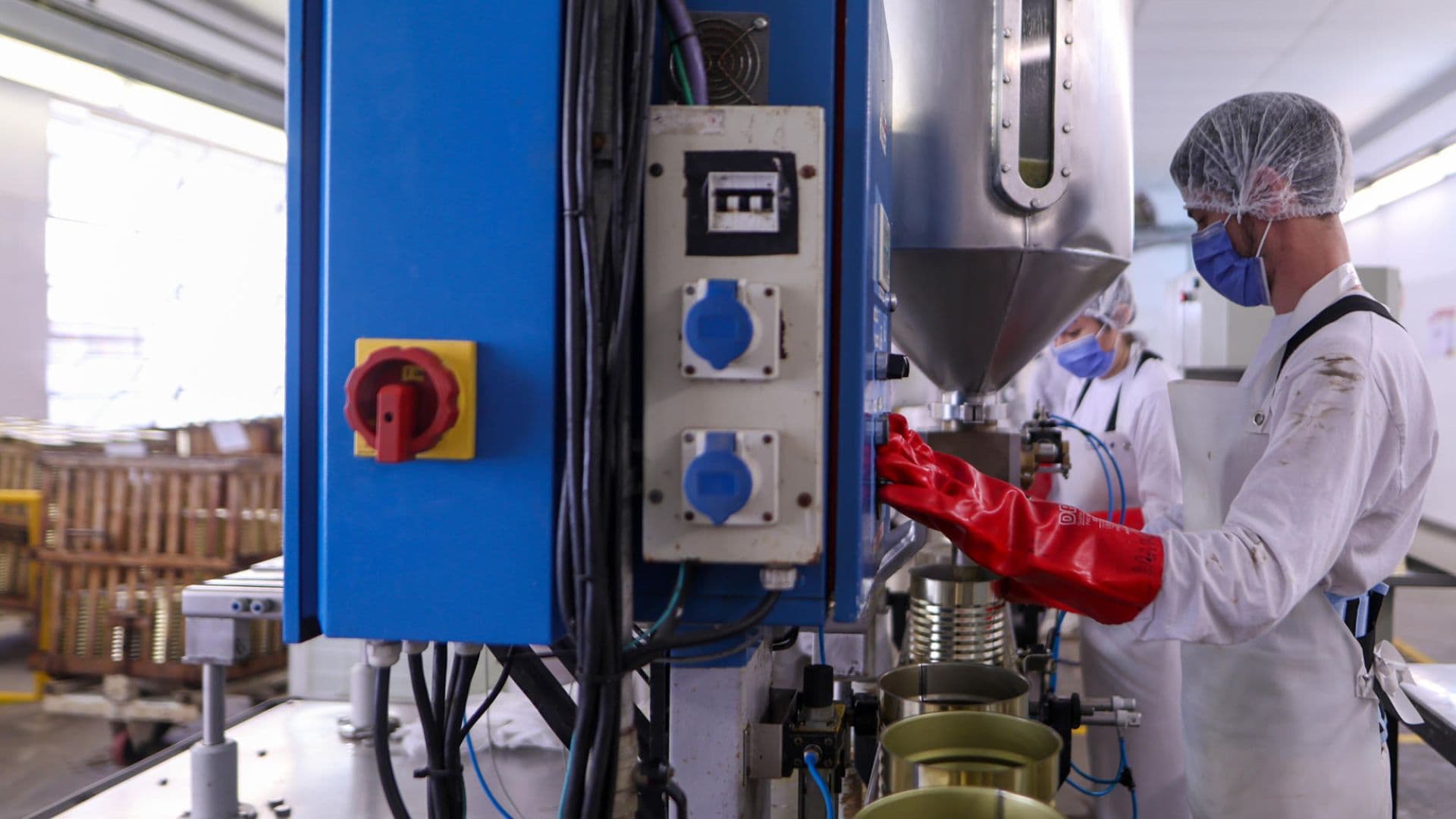
However, key sectors continued to struggle. Manufacturing declined 2.9% from a year earlier, while wholesale and retail trade fell 3.2%.
INDEC did not provide a sector-by-sector breakdown on a monthly basis.
Analysts continue to describe Argentina’s economy as operating at “two speeds,” with export-oriented industries such as energy, mining and agriculture outperforming domestic sectors tied to consumption and manufacturing.
Consulting firm Orlando Ferreres said macroeconomic conditions have improved and expects weaker sectors to gradually recover if inflation continues to ease, household purchasing power improves and consumer confidence strengthens.
Cachanosky also expressed optimism about Argentina’s outlook, pointing to moderating inflation, the possibility of lower interest rates and stronger credit conditions, along with continued momentum in energy and mining.
Private-sector economists surveyed by Argentina’s central bank expect the economy to grow 2.9% in 2026, following a 4.4% expansion in 2025.